
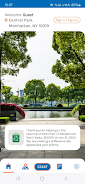
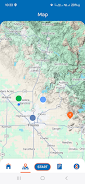
xLitter is a lightweight data-collection app that helps volunteers, crews and organizations record litter pickups quickly and accurately using voice or tap input. The app logs each piece with material type, a short description, count and GPS coordinates, and lets you capture before-and-after photos, bag counts and special observations. xLitter works online or offline, confirms entries with a unique sound, and tracks personal goals such as pieces picked up, hours worked and number of events—making cleanup projects easier to document and report.
⭐ Hands-free voice recognition that captures entries online or offline for faster field logging.
⭐ Manual tap-to-record option when voice input isn’t preferred, also available offline.
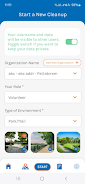
⭐ Select or create an organization, choose your role (Volunteer, Paid, Probation, Other) and set the cleanup environment.
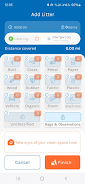
⭐ Snap before-and-after photos, report bag counts and record observations of hazards, dumps or abandoned vehicles with photos.
⭐ Record the "Dirty Dozen" material types (Butt, Glass, Metal, Paper, Wood, Rubber, Fabric, Plastic, Vehicle, Organic, Foam, Electrical) plus Unclassified items and describe object details and brand when possible.
⭐ Automatic capture of latitude/longitude, date and time for every recorded item, with a unique confirmation sound and automatic recognition of the first 10 seconds of your spoken description or count.
✅ xLitter centralizes cleanup data so teams can produce consistent reports of pieces, bag weights and locations.
✅ Works both online and offline so crews in remote areas can still record items and sync later.
✅ Fast confirmation audio and automatic GPS/time stamps reduce manual entry and improve accuracy in the field.
✅ Flexible role and environment settings let organizations track contributions by volunteers, paid staff or probation crews and tailor reports.
❎ The app recognizes only the first 10 seconds of a spoken description or count, so longer explanations may be truncated.
❎ The default count is one piece unless you explicitly say a different number during recording.
❎ Uncommon items that don’t fit the listed material categories are recorded as "Unclassified," which may limit granularity for rare objects.