

Ship100 by Vibekarta is a compact, single-player maritime strategy game that puts you in control of a modular cargo fleet, combining planning, ship customization, and tactical decision-making in short, replayable runs. Ship100 by Vibekarta focuses on a clear core loop: accept missions, outfit ships from interchangeable components, and execute routes while adapting to weather, traffic, and opportunistic enemies. The interface and pacing are designed for mobile play but the systems reward deliberate choices rather than reflexes.
Gameplay centers on resource and risk management. Missions require balancing cargo capacity, fuel consumption, and defensive readiness so that each run feels like a small logistical puzzle. Route planning matters: currents, narrow passages, and timed convoys change the optimal path. Encounters with hostile vessels or environmental hazards force tactical trade-offs — for example, detours to avoid storm cells may save hull integrity but cost valuable delivery time. Successful missions yield currency, experience, and blueprints that feed the progression loop.
The modular upgrade system is a primary depth layer. Components such as hull frames, engine types, cargo modules, and weapon mounts are swappable, letting you assemble dedicated freighters, fast scouts, or versatile escort ships. Modules carry tiered rarities and distinct stat trade-offs: a reinforced hull improves survivability at the cost of speed, while lightweight engines boost transit times but increase vulnerability. Crafting allows combining common parts into higher-grade components, and specialists can be assigned to ships for passive bonuses that encourage distinct role design.
Progression follows a measured tree of unlocks and blueprints. As you complete contracts you unlock module tiers and system upgrades that open new tactical possibilities. The game encourages concentrating resources on a dependable core fleet rather than thinly upgrading many vessels; investing in a few well-rounded ships often yields better long-term returns. Upgrade paths are clear and predictable, enabling planning for mid- and long-term goals without relying on random boosts.
Map design spans peaceful coastal passages, industrial archipelagos, and constrained inland channels, each with navigational quirks. Environmental effects such as fog, currents, and wind influence handling and sensor ranges; some routes also include moving obstacles or timed convoys that require careful timing. The game provides a variety of mission types — standard deliveries, timed escorts, and sabotage-avoidance runs — plus rotating challenges and daily contracts that change the optimal approach and increase replay value. All content is playable offline, letting you manage and attempt missions without a persistent network connection.
Combat emphasizes positioning, preparation, and ammunition or cooldown management over twitch reactions. Weapon types have distinct roles: long-range cannons trade rate of fire for damage, rapid turrets handle lighter threats, and point-defense modules counter incoming munitions. Defensive tools like decoys, chaff, and electronic countermeasures provide situational counters rather than guaranteed safety. Good runs come from combining reconnaissance, timing, and module synergy rather than raw firepower alone.
Controls are optimized for touch play with options for single-thumb and dual-thumb layouts; steering, throttle, and module activation are intentionally unobtrusive so HUD elements stay readable during missions. Settings let you remap controls and simplify the HUD to accommodate different play styles and accessibility needs. Graphics and performance options scale broadly to maintain smooth frame rates on older hardware while allowing enhanced visual effects on newer devices. Tooltips, adjustable difficulty scaling, and contextual help help new players learn mechanics without overwhelming them.
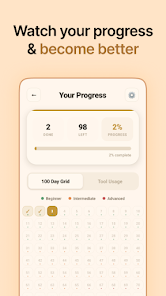
Short-session missions, layered progression, and meaningful customization create a satisfying loop of experimentation and reward. Returning players will find value in optimizing ship builds for particular routes, revisiting earlier maps after new modules unlock, and tackling rotating challenges that require tailored strategies. Local achievement tracking and mission variety provide long-term objectives without introducing online dependencies or multiplayer systems.
When you begin Ship100 by Vibekarta, focus first on completing early missions to gather basic resources and blueprints and assemble a reliable freighter plus a nimble escort. Prioritize navigation and defensive upgrades that let you survive and improve profit margins, then branch into specialized builds once you understand how currents and hazards affect handling. Regularly replay older routes after incremental upgrades — improved modules often make previously risky shortcuts viable and more profitable.