
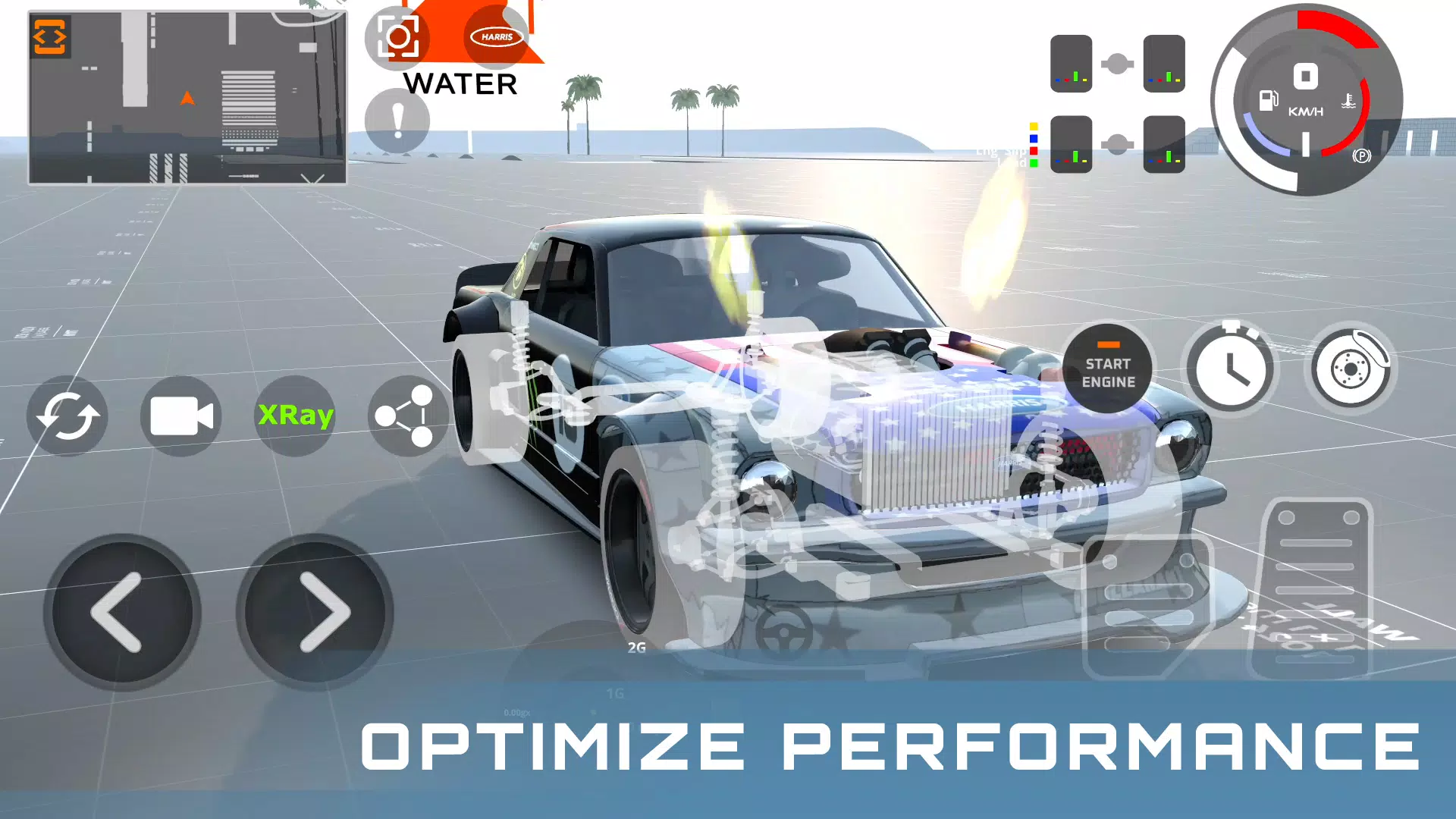
DriveCSX: Car Crash Simulator is a physics-driven driving sandbox built for players who want to examine collision behavior, handling and vehicle dynamics in a controlled, repeatable environment. The introduction to the app emphasizes reproducible scenarios rather than competitive progression, so you can focus on how speed, angle and surface conditions affect outcomes. This editor description outlines the simulation systems, control options, level structure and the reasons the title is useful for learning and experimentation.
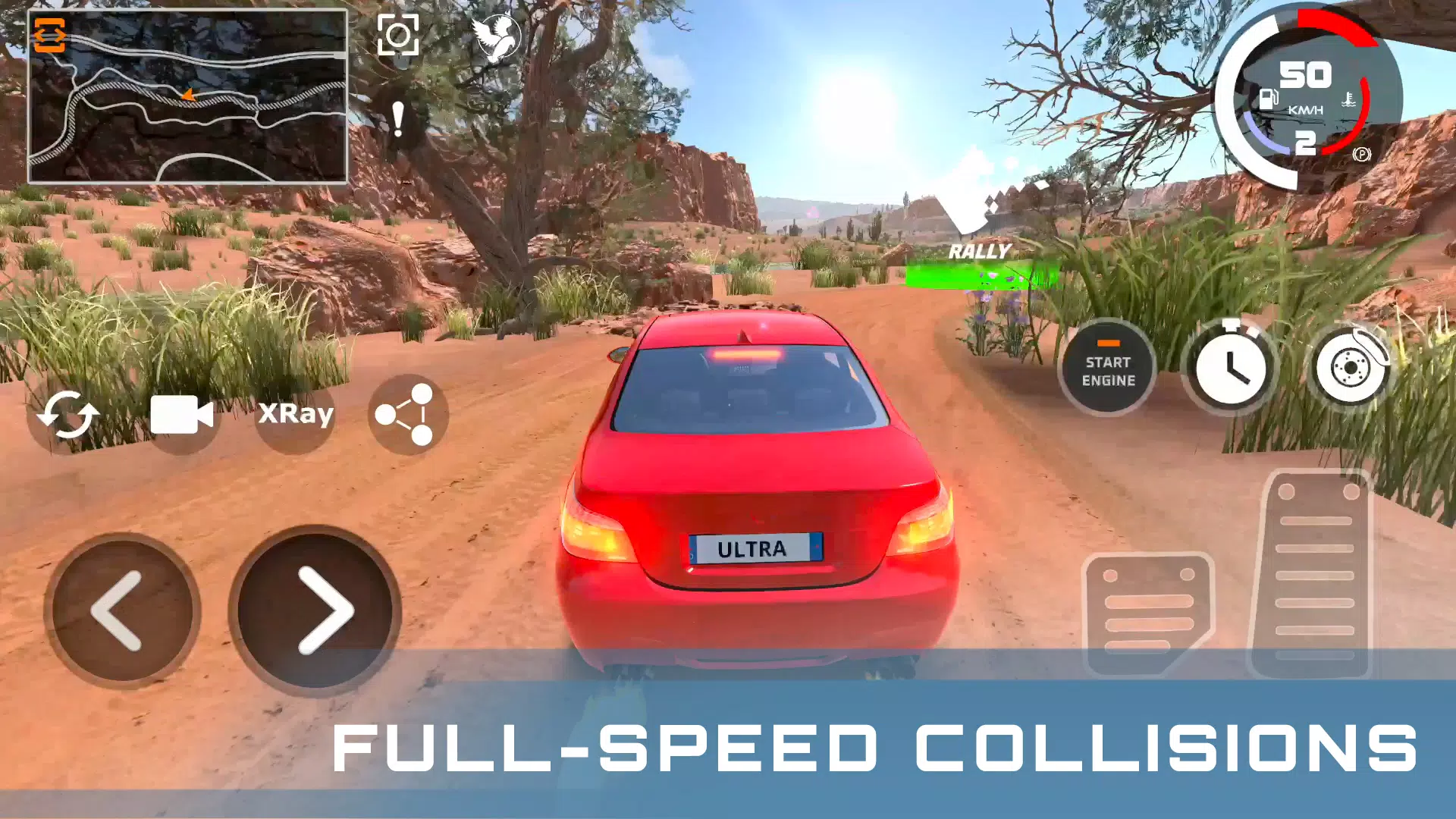
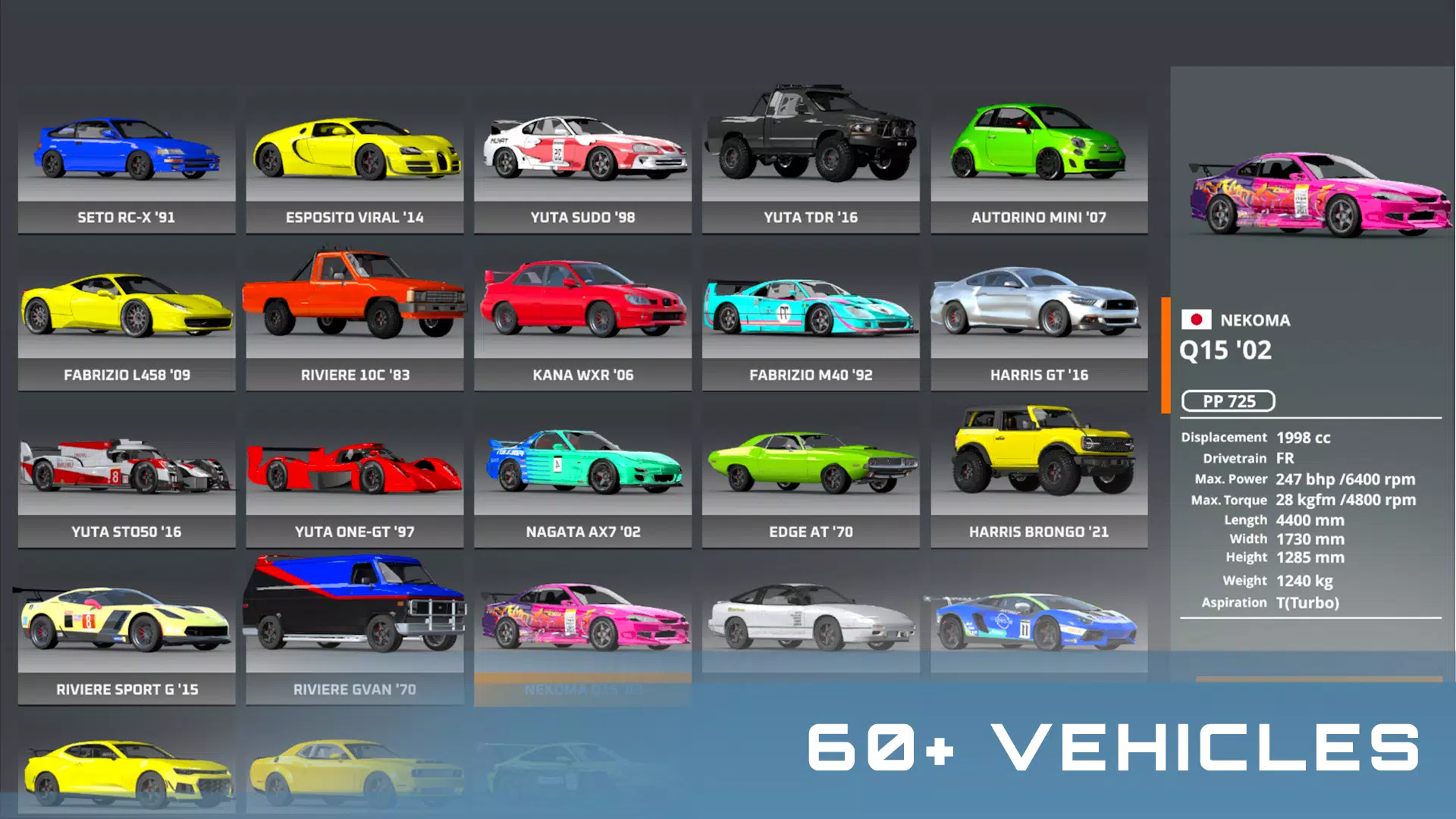
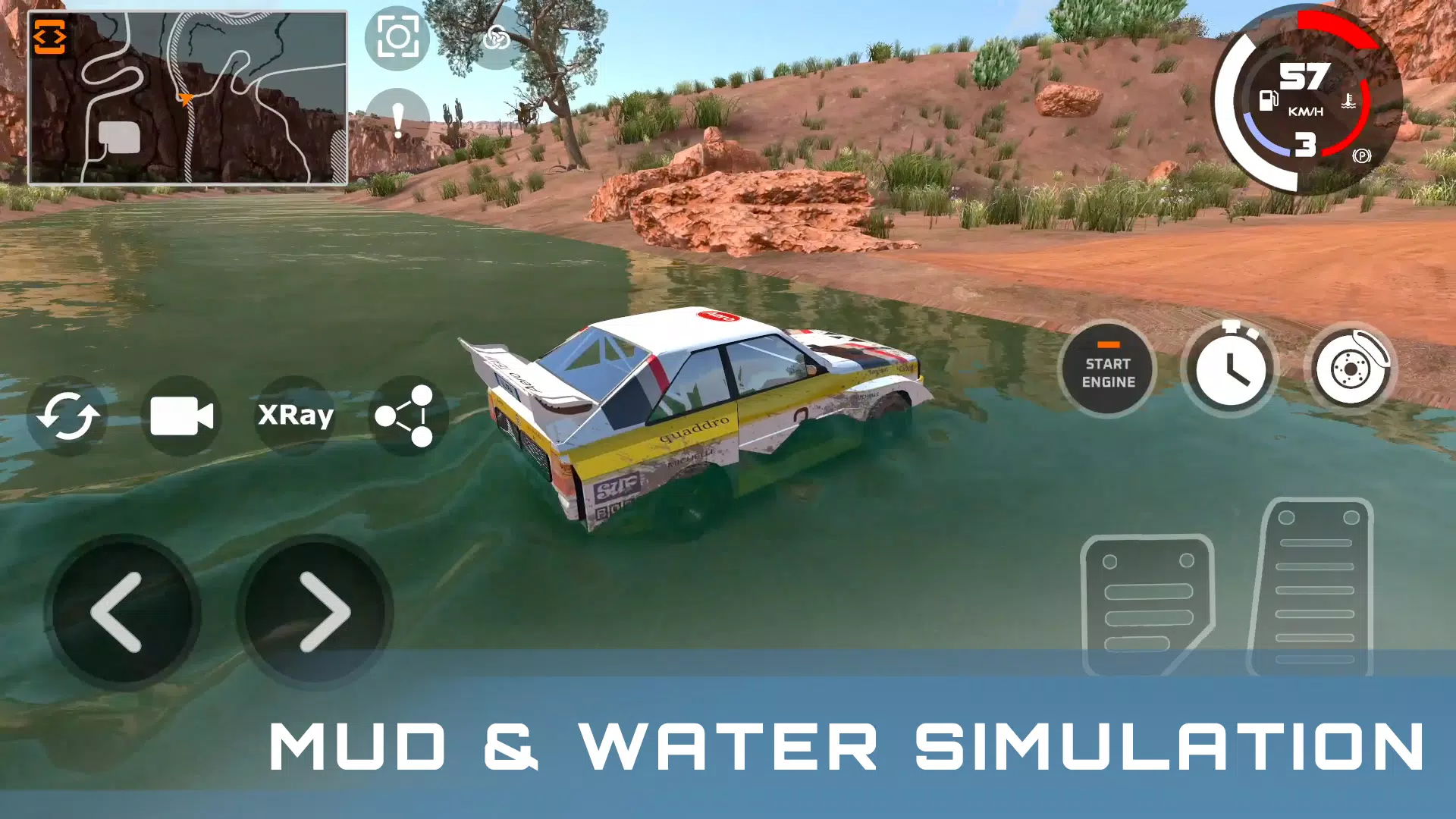
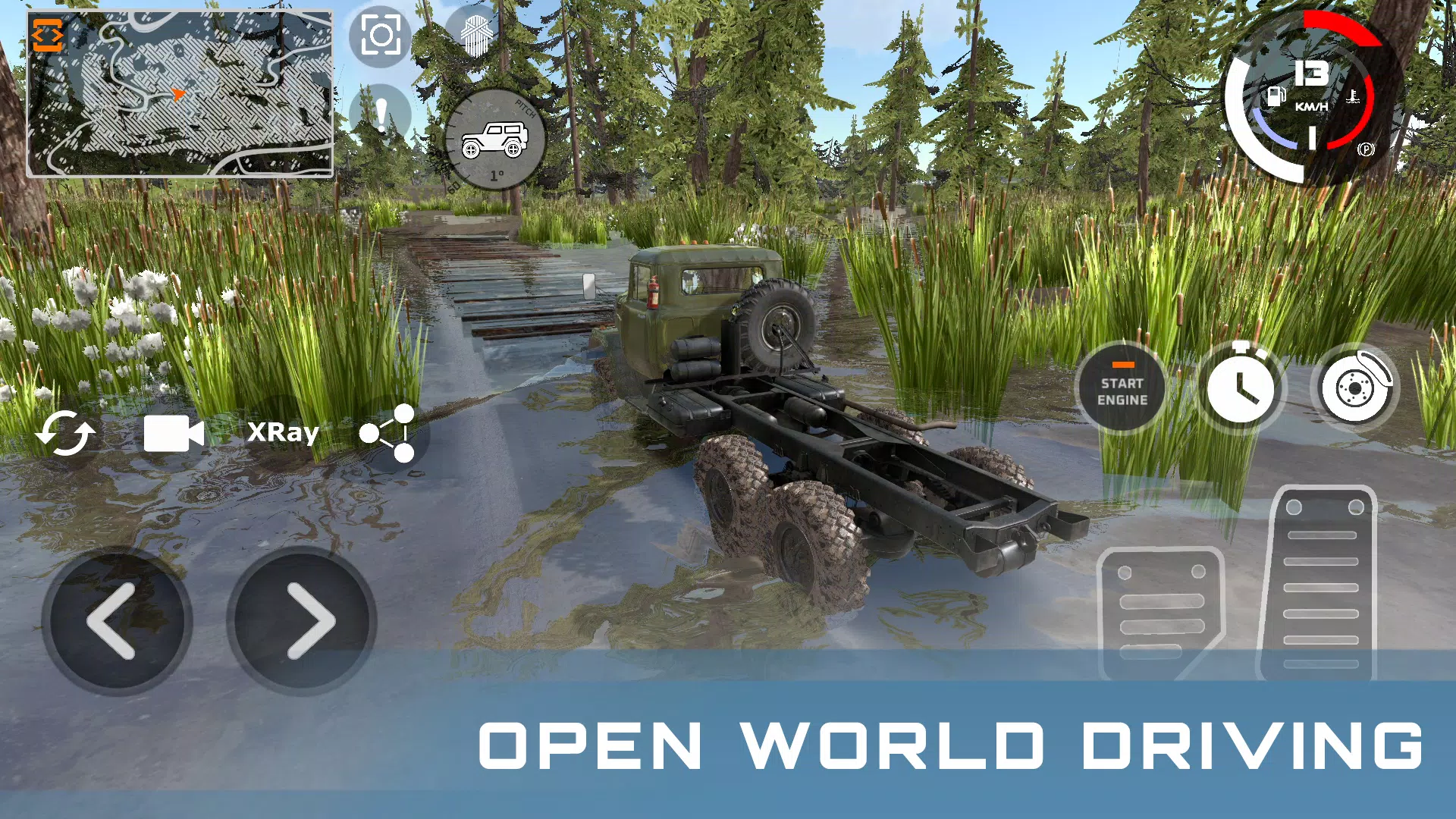
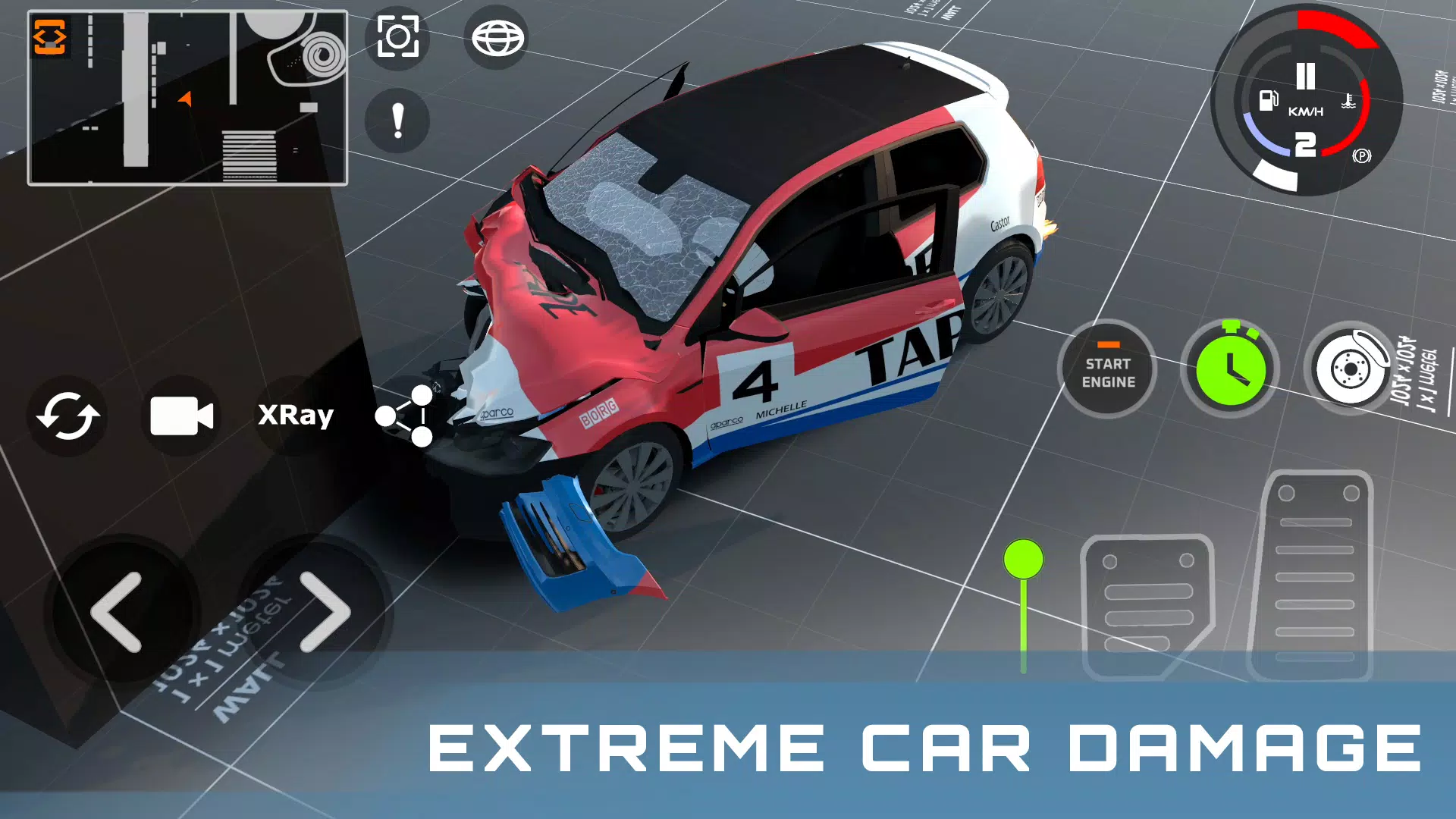
The simulation models progressive soft-body deformation with visible panel and frame bending, authentic impact sounds and surface-dependent grip. Sixty distinct vehicles provide a wide range of mass distributions, power delivery and balance to compare handling and damage response. DriveCSX: Car Crash Simulator includes large open arenas for free experimentation and shorter rally-style stages designed for repeatable timed runs; these environments give clear, measurable contexts for testing setup changes or driving techniques.
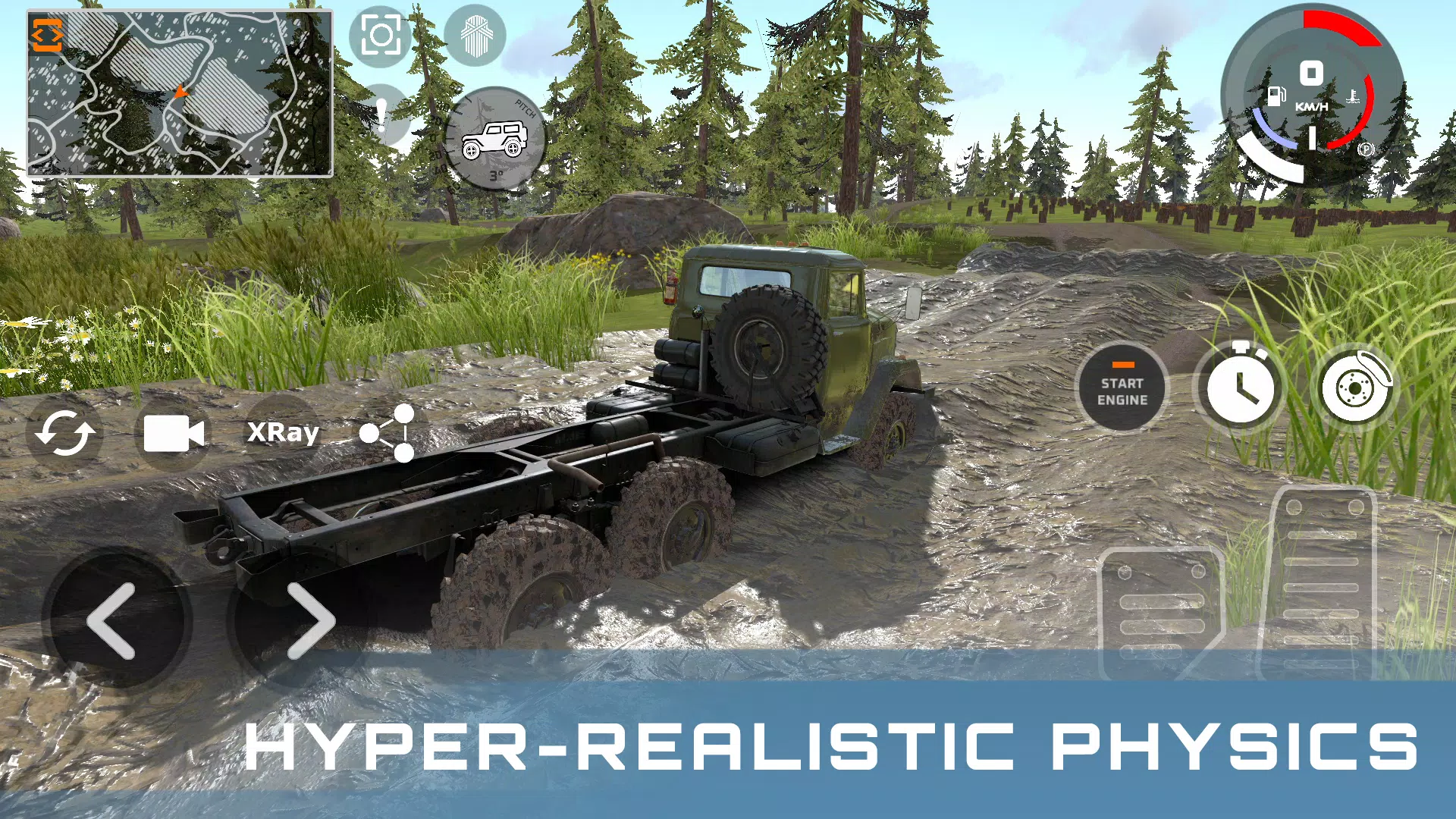
At the core is a physics engine that tracks impact angle, velocity and contact location to produce gradual deformation and consequent changes in handling. Mass transfer, suspension response and contact forces are simulated so collisions can either be recovered from or lead to loss of control depending on the conditions. The sandbox design encourages iterative testing: set identical starting parameters, perform a maneuver or collision, document the result, then vary a single variable to observe its effect. This approach supports experimentation for learners, hobbyists and creators who want to reproduce and analyze vehicle behavior.
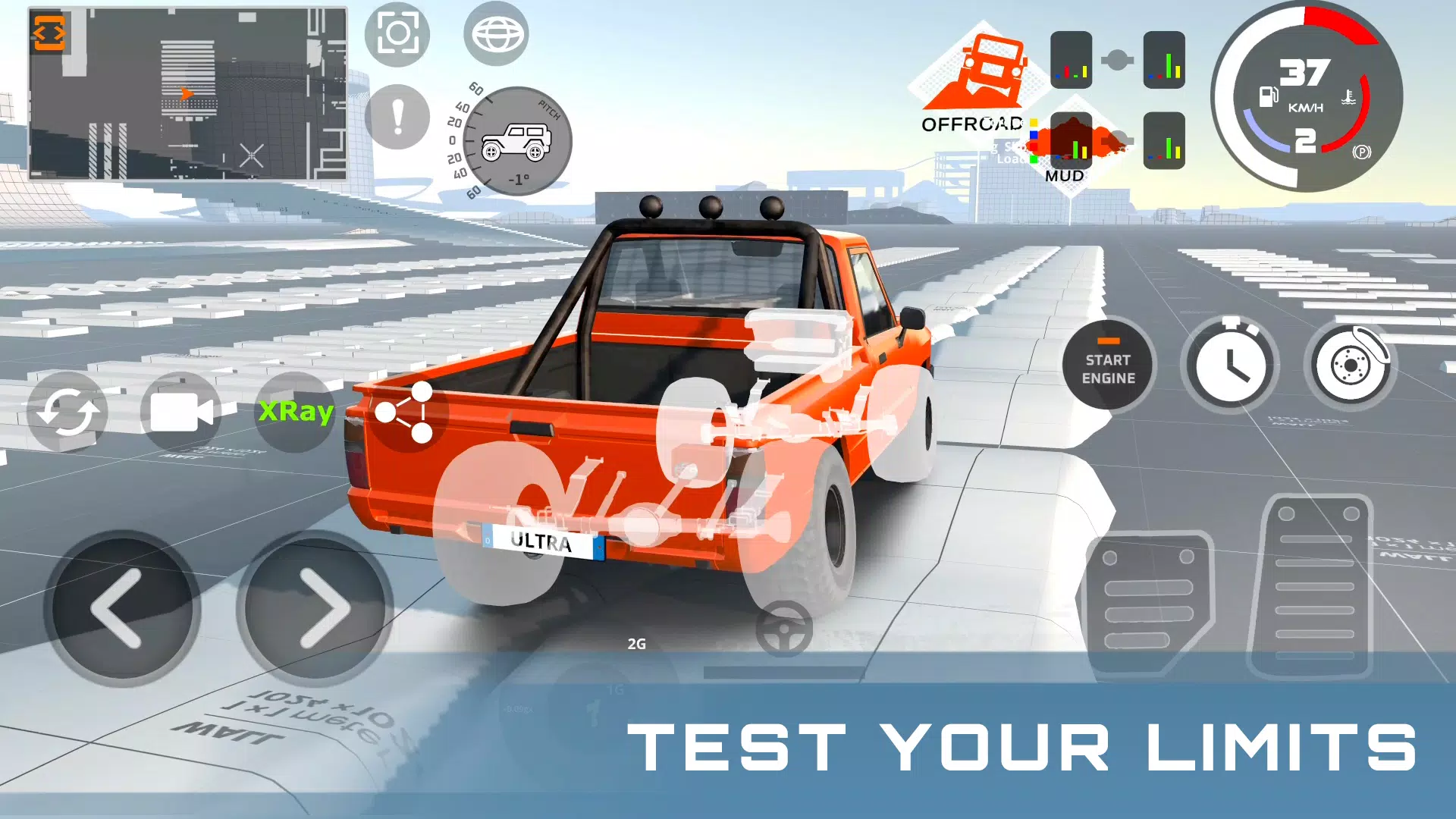
Control options are deliberately broad to work across many Android devices. Touch steering and throttle are available alongside tilt input for devices with sensors, and external wireless controllers can be used where compatible. Sensitivity, deadzone and assist settings are exposed so you can calibrate steering response, brake bias and camera behavior to match your comfort and hardware. Visual overlays and replay-friendly camera positions make it easy to review tests and identify the frame or component that caused a particular handling change.
The level design balances open fields for free-form stunts and focused stages for repeatable trials. Open arenas are useful for exploratory testing and creative setups, while rally sections are short, consistent and timeable to create controlled challenges. Time trials and predefined obstacle layouts let you measure improvements across runs without introducing live competition. The app encourages personal challenge systems — for example, comparing braking distance across vehicles, or measuring recovery time after impacts — but does not require online leaderboards or matchmaking.
Vehicle setup reflects realistic suspension geometry and weight transfer, and the tuning interface exposes meaningful parameters such as spring rates, damping, ride height and brake bias. Cosmetic customization is limited by the simulation focus, but mechanical adjustments produce observable differences in handling and collision response. These tuning options make it possible to test specific hypotheses — for example, how stiffer springs influence body roll during high-speed impacts — without requiring advanced mechanical knowledge.
The visual presentation prioritizes clarity of mechanical feedback: deformation, broken parts and frame distortions are highlighted to communicate cause and effect rather than for purely decorative reasons. Surface materials, particle effects and tire skid visuals help indicate grip and impact severity. DriveCSX scales its rendering and physics fidelity to run smoothly on a broad range of devices while preserving consistent physics behavior in offline play, so repeatable experiments are not affected by network variability.
Progression is open-ended and practice-oriented rather than linear. Replay value comes from comparing different cars, experimenting with tuning changes, and repeating short stages under identical conditions to validate adjustments. The app is well suited to iterative loops: set a baseline, change a parameter, and re-run under the same conditions. That cycle supports both casual creative play and methodical study for users who want to refine techniques or understand vehicle dynamics more deeply.
Offline single-player mode ensures you can perform tests without network dependency, and local save slots let you archive setups and replay sessions for review. Controller compatibility varies by device and model, so minor calibration may be needed; clear on-screen guidance and accessible settings help reduce setup time. The user interface emphasizes readable telemetry, replay controls and camera angles that make it straightforward to isolate moments that produced significant damage or handling changes.
Updates to DriveCSX: Car Crash Simulator typically deliver physics refinements, stability fixes and occasional content adjustments; installing the latest APK is recommended to access recent improvements. The title contains ads and offers in-app purchases that do not affect core offline testing functionality. Consult device-specific guidance if a particular controller model requires calibration, and use the replay tools to document experiments for later comparison or for sharing setups with other learners.