


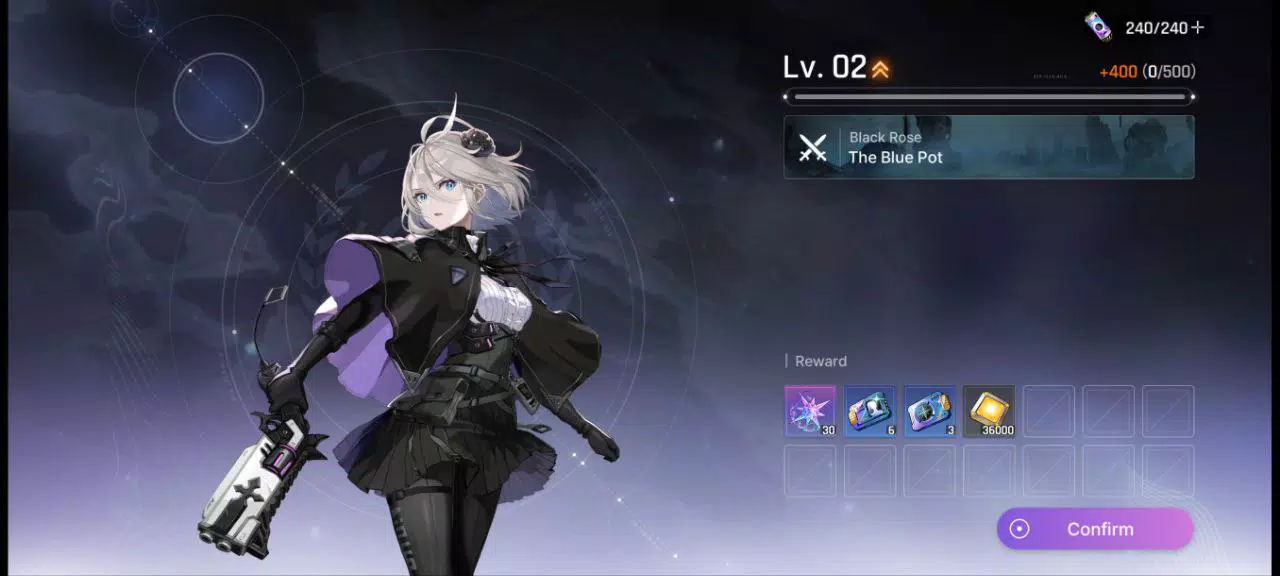
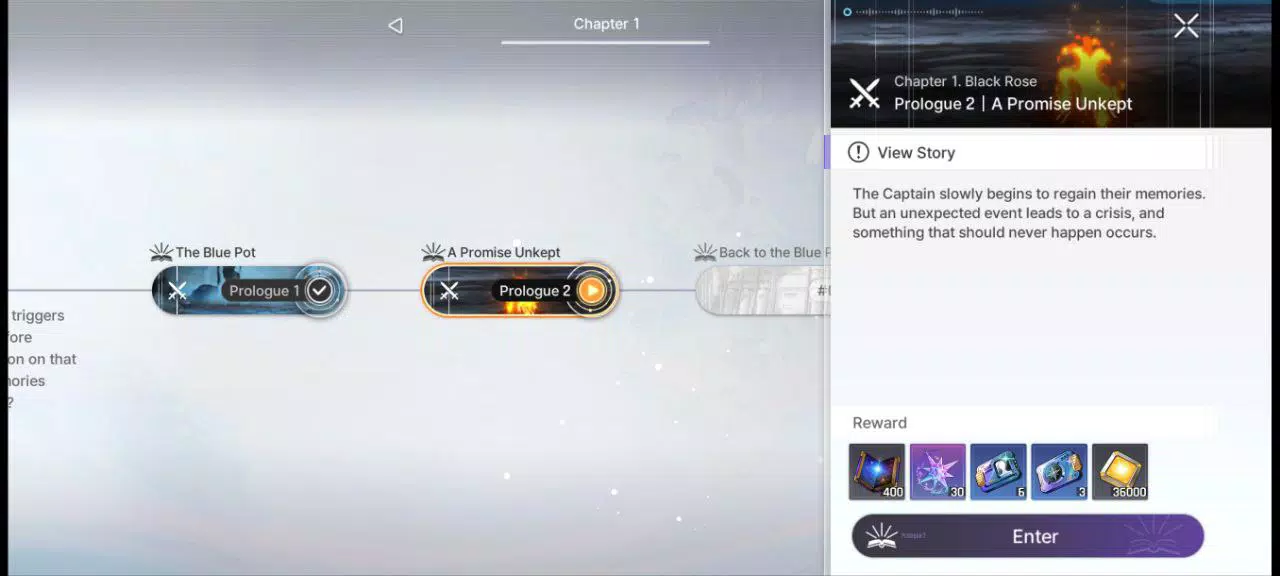
Chaos Zero Nightmare places you in the captain's seat aboard the SS Nightmare, combining deliberate, card-based combat with a somber, character-driven narrative where each run forces consequential choices that ripple into future attempts. This APK-ready introduction explains how the game blends tactical encounters, evolving save data and stress-driven crisis mechanics to create tense, replayable sessions across mobile and PC platforms.
Chaos Zero Nightmare centers on choice-driven encounters: every card play, route selection and recruit decision matters. The game pairs tight tactical mechanics with branching routes, recruitable agents with distinct roles, and fully voiced story moments that develop characters over multiple runs. Persistent consequences and a save system that evolves after each run make long-term strategy as important as short-term tactics.
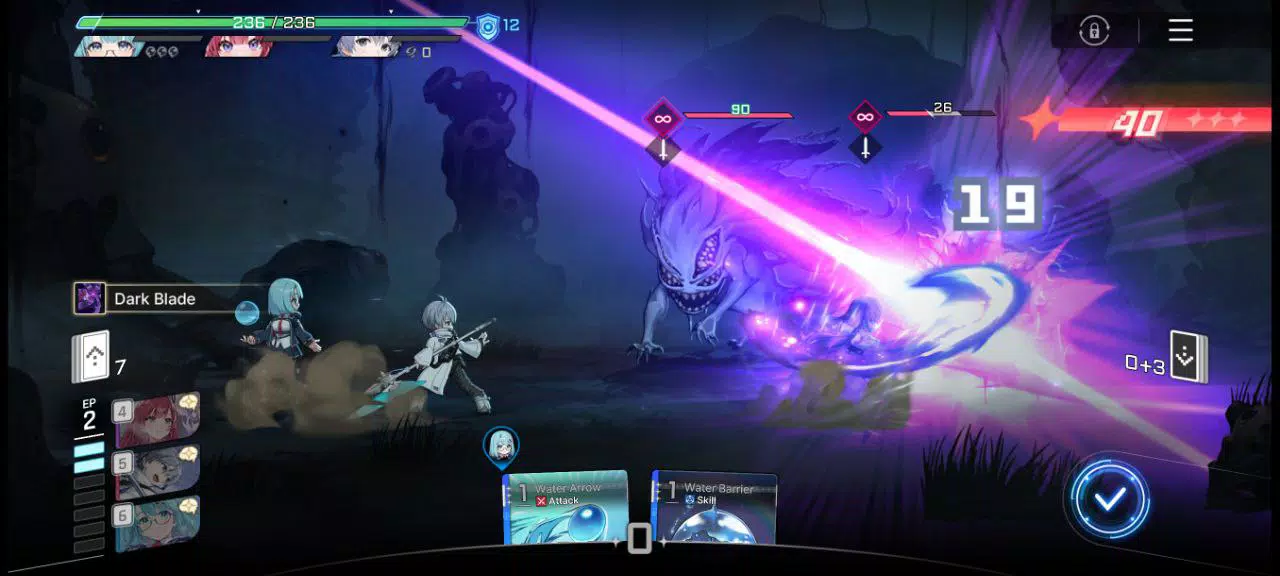
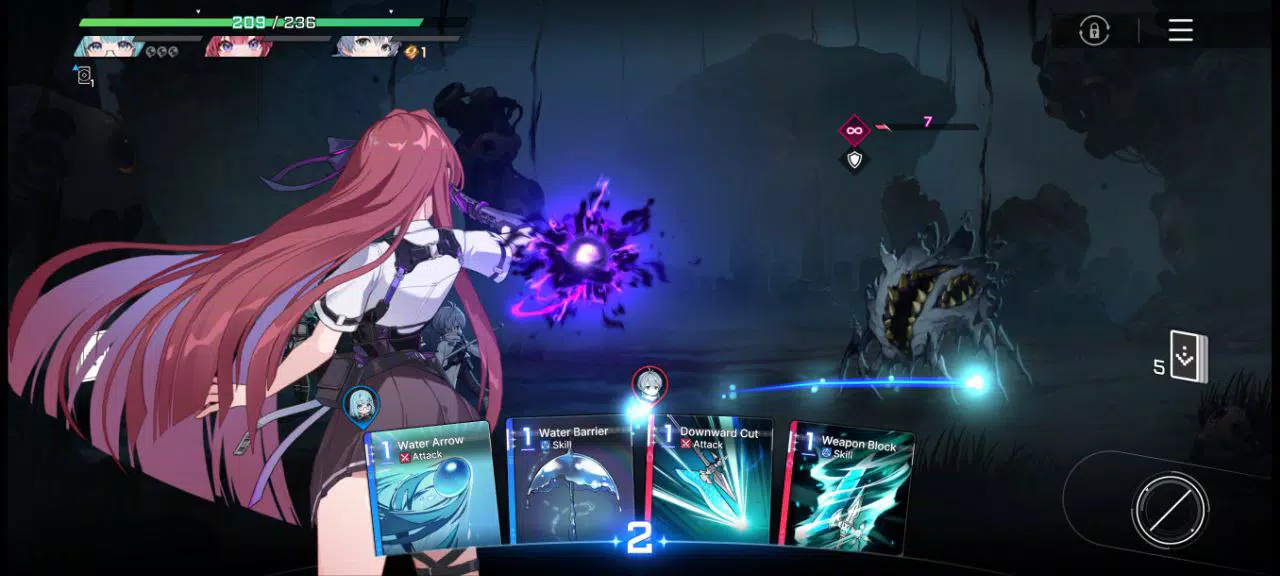
Encounters are resolved through a card-based system that rewards situational judgment and planning. Players build and manage a small squad of agents, choosing complementary skills and cards that define tactical options in combat. Stress and crisis mechanics add a second layer of decision-making: agents can become impaired, events can force hard trade-offs between resources and safety, and route-specific hazards push careful prioritization. The result is an experience that emphasizes risk assessment, timing and squad synergy rather than reflex-based play.
The interface is designed for clarity and precision on touch devices while remaining comfortable for mouse and keyboard on PC. Card selection, targeting and support commands are handled through intuitive taps, drags and gestures on mobile, and click-or-hotkey inputs on desktop. Contextual tooltips and clear status indicators keep important information readable during tense encounters, and the HUD balances quick access to abilities with unobtrusive visual feedback so you can focus on strategy.
The evolving save system is a core pillar of Chaos Zero Nightmare, carrying forward the consequences of major choices between runs. Decisions you make — which routes to take, which agents to recruit, which crises to resolve or ignore — reshape available options on subsequent attempts. Progression comes from unlocking new agents, discovering route branches and expanding your tactical vocabulary as you collect new cards and gear that alter how squads perform in later runs.
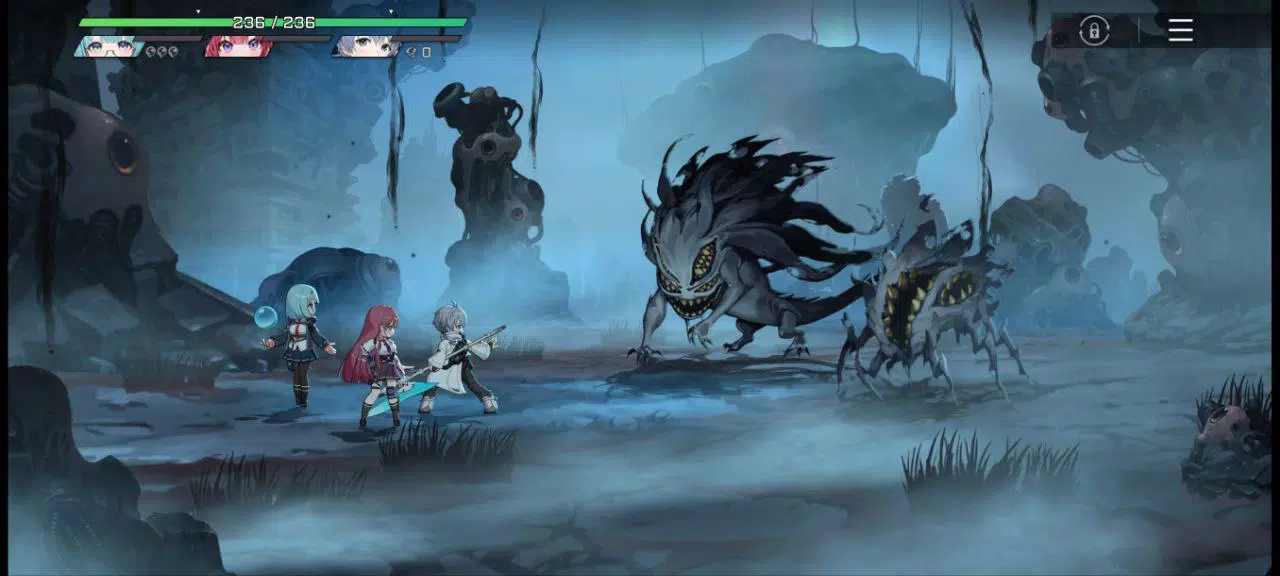
Visually the game favors detailed 2D illustrations and carefully directed animations that emphasize key narrative and combat moments. Scenes are often accompanied by full voice work for important interactions, which lends weight to character choices and heightens immersion. The art and audio combine to underscore the somber tone without overwhelming the underlying systems-focused design.
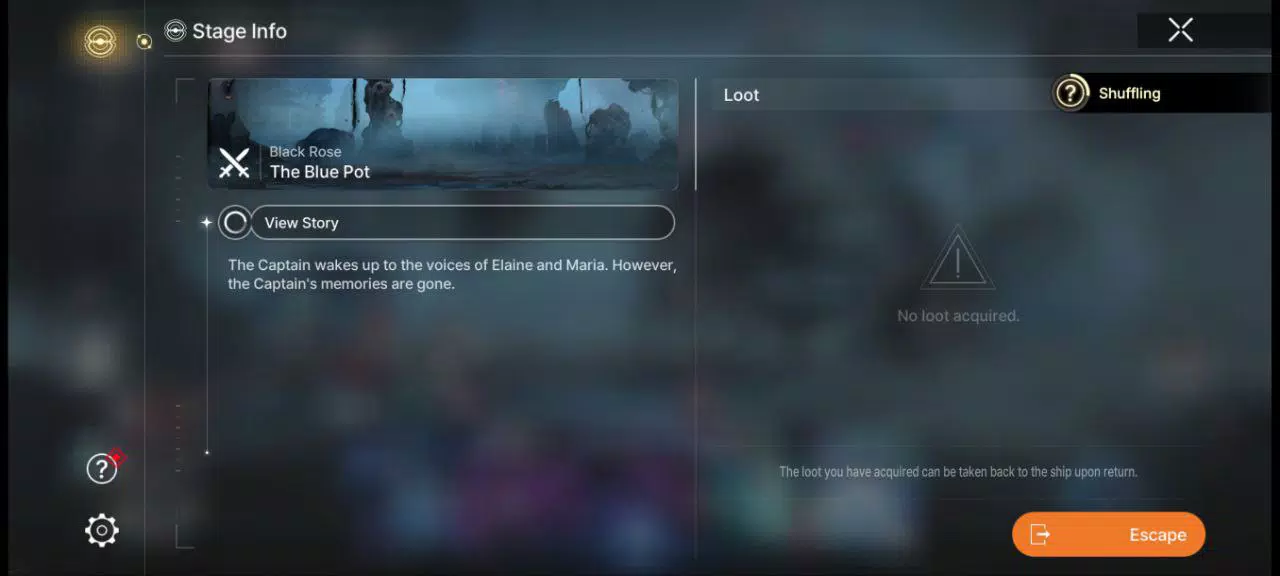
Runs are structured around branching routes and scenario encounters that change based on past decisions, creating high replay value. Each playthrough lasts long enough to develop meaningful choices but is compact enough for mobile sessions. Branching paths encourage experimentation with different strategies and squad builds, and the evolving world state ensures that repeating a route later can present new challenges and opportunities.
Customization focuses on squad composition, card selection and situational loadouts rather than cosmetic options. Building effective teams requires balancing agent skills, managing stress and choosing cards that synergize with your intended approach. This strategic depth rewards thoughtful planning and adaptation as new cards and agents are discovered through play.
The game leans toward a somber, sometimes punishing tone, and the persistent effects of failure can be unforgiving for players who prefer forgiving systems. To ease new players in, Chaos Zero Nightmare provides in-game tutorials, explanatory tooltips and a gradual ramp in encounter variety so newcomers can learn mechanics before facing the most complex crisis scenarios. Difficulty is driven by design rather than artificial modifiers, emphasizing player learning and strategy development.
Designed primarily for single-player play, the title stores progress locally so you can enjoy runs offline and return to continue your campaign without requiring constant connectivity. Save handling, clear menus and concise feedback are tuned to make each session satisfying whether you play short mobile bursts or longer runs on PC. Crash recovery and autosave points reduce frustration while preserving the weight of meaningful decisions.
Approach early runs as opportunities to learn route hazards and agent synergies rather than to 'win' immediately. Prioritize stability and stress management in the short term to unlock broader strategic options later, and experiment with different recruitments to uncover complementary card combinations. With careful planning and a willingness to adapt, Chaos Zero Nightmare rewards thoughtful play with evolving narrative depth and meaningful replayability.