




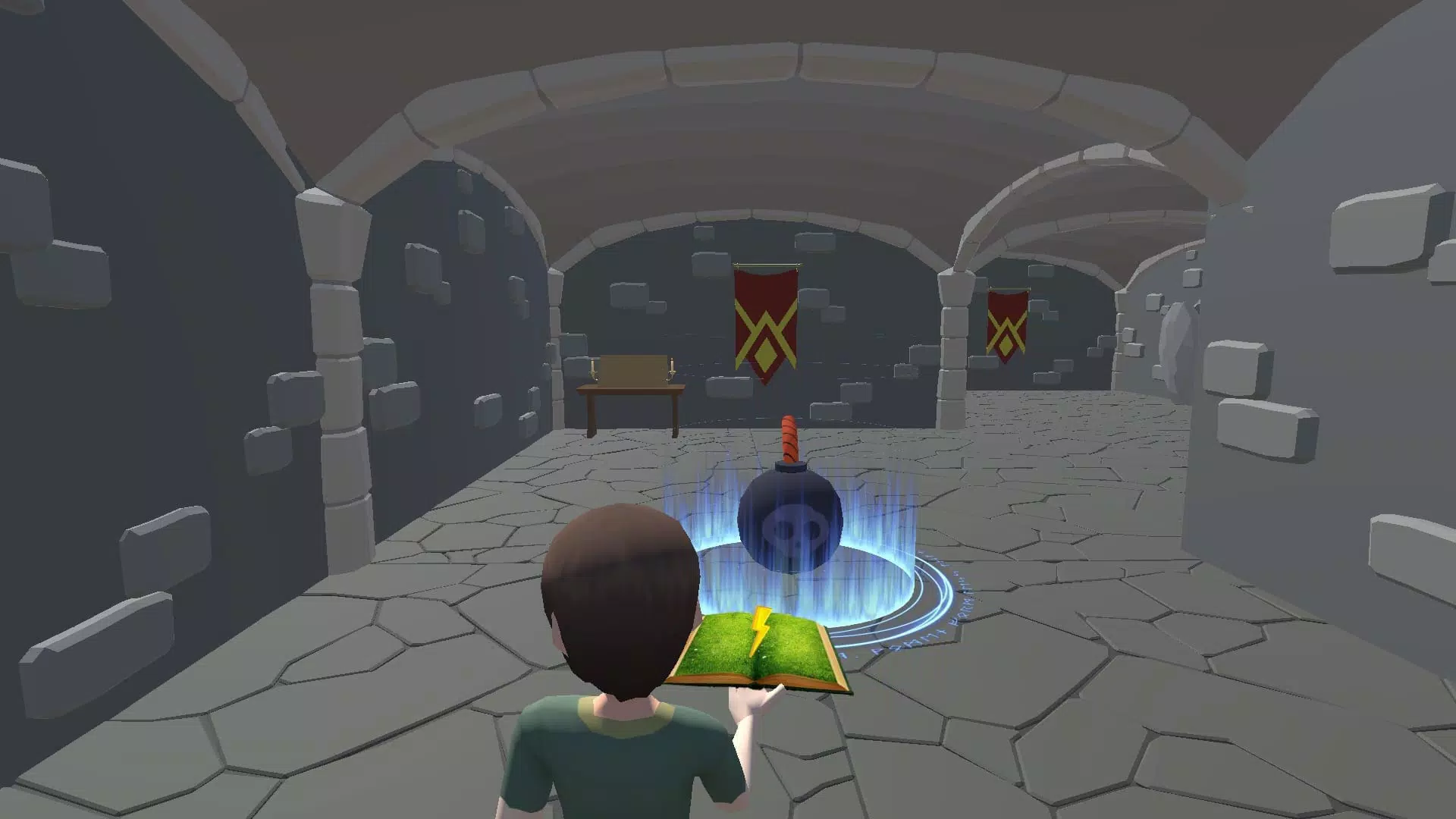
PowerPath places you at the base of a mysterious tower where every floor is a test of wit and arcane skill; in PowerPath you begin as a novice apprentice and must learn elemental spells and esoteric rituals to progress, solve puzzles, and ultimately escape the forbidding stronghold that shapes the story. This introduction frames the game’s core loop: exploration, experimentation with a growing spellbook, and choices that influence both immediate encounters and longer-term character development. Players who appreciate tactical decision-making and a narrative that responds to their actions will find the experience focused and rewarding without requiring prior knowledge of similar titles.
PowerPath combines several interlocking systems designed for single-player discovery. The spellbook is central: new elemental spells and ritual combinations are unlocked as you explore, and those abilities can be combined in creative ways to bypass traps, alter environments, and reshape enemy behaviors. Levels are structured around a vertical progression through the tower, with branching paths on each floor that hide secrets, puzzles, and optional encounters. Choices made during exploration have tangible consequences, changing future options and occasionally opening or closing story threads.
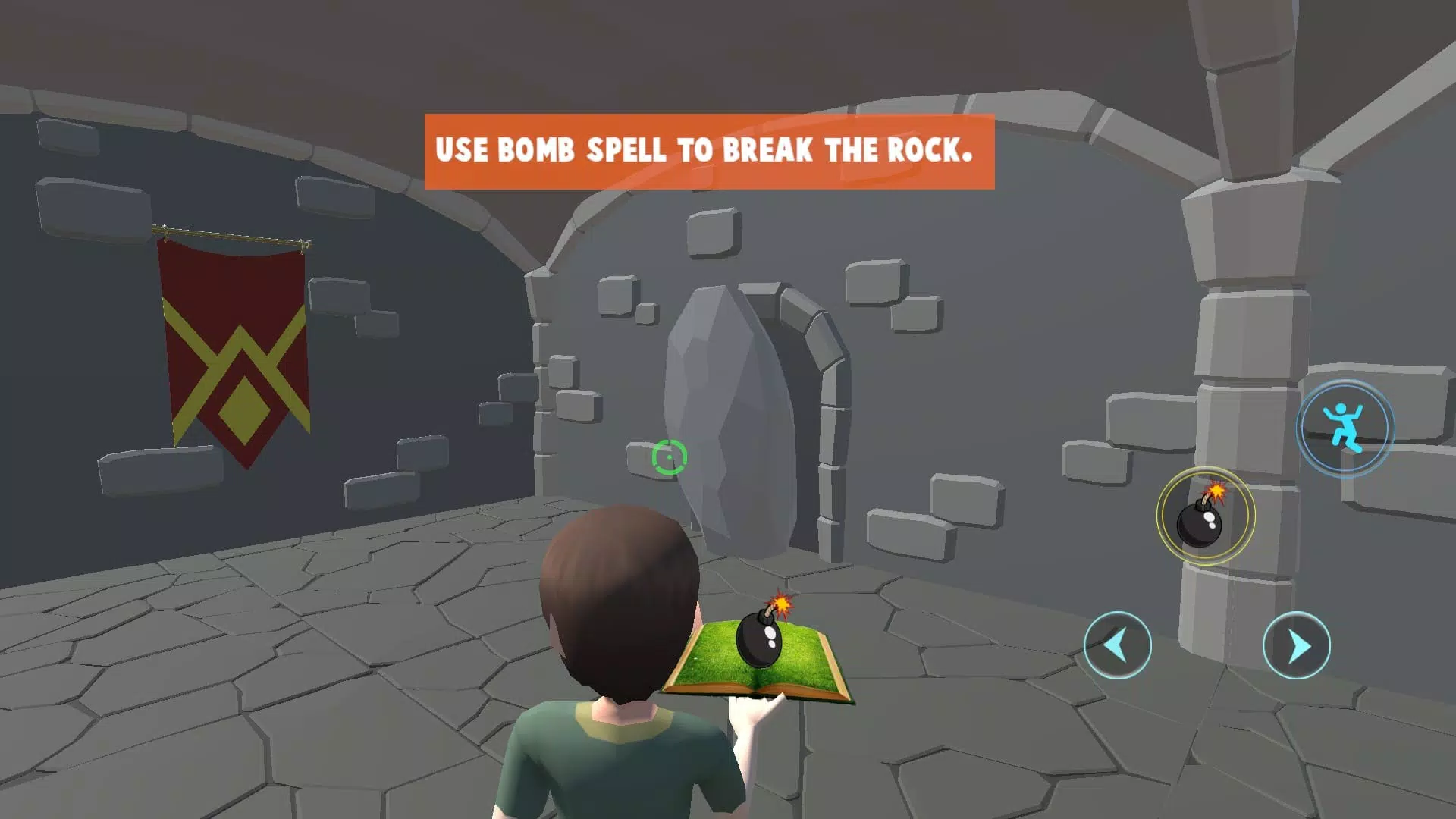
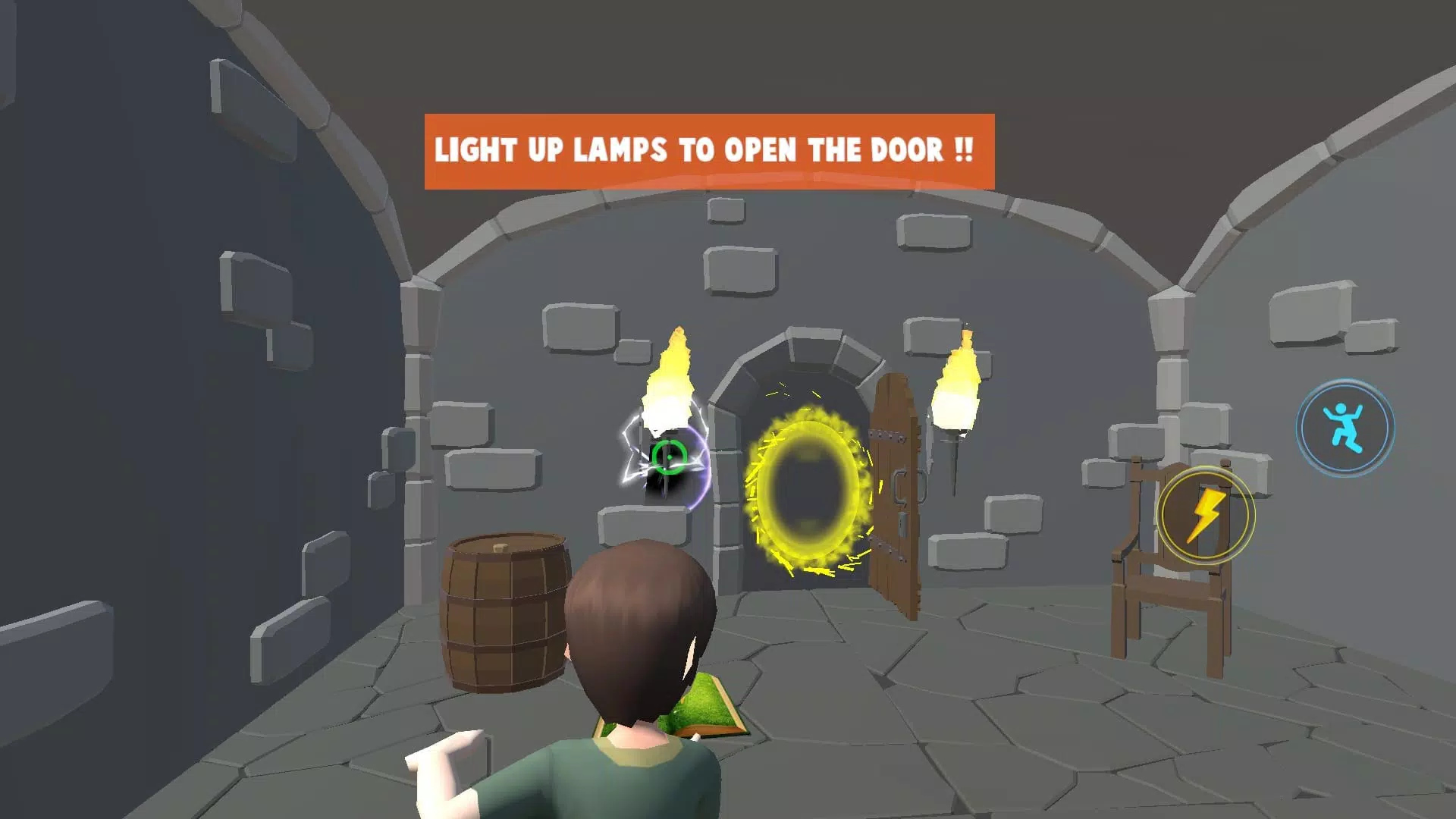
Gameplay balances puzzle-solving and tactical encounters. Environmental puzzles often require rearranging elemental forces, using spells to change terrain, trigger mechanisms, or reveal hidden routes. Combat encounters emphasize positioning and sequence rather than pure reflexes: selecting which spells to prepare and when to deploy them is more important than button-mashing. Rituals offer more complex, multi-step effects that need preparation and careful timing. The design rewards experimentation—trying different spell combinations or revisiting earlier floors with new abilities can unlock shortcuts and alternative solutions.
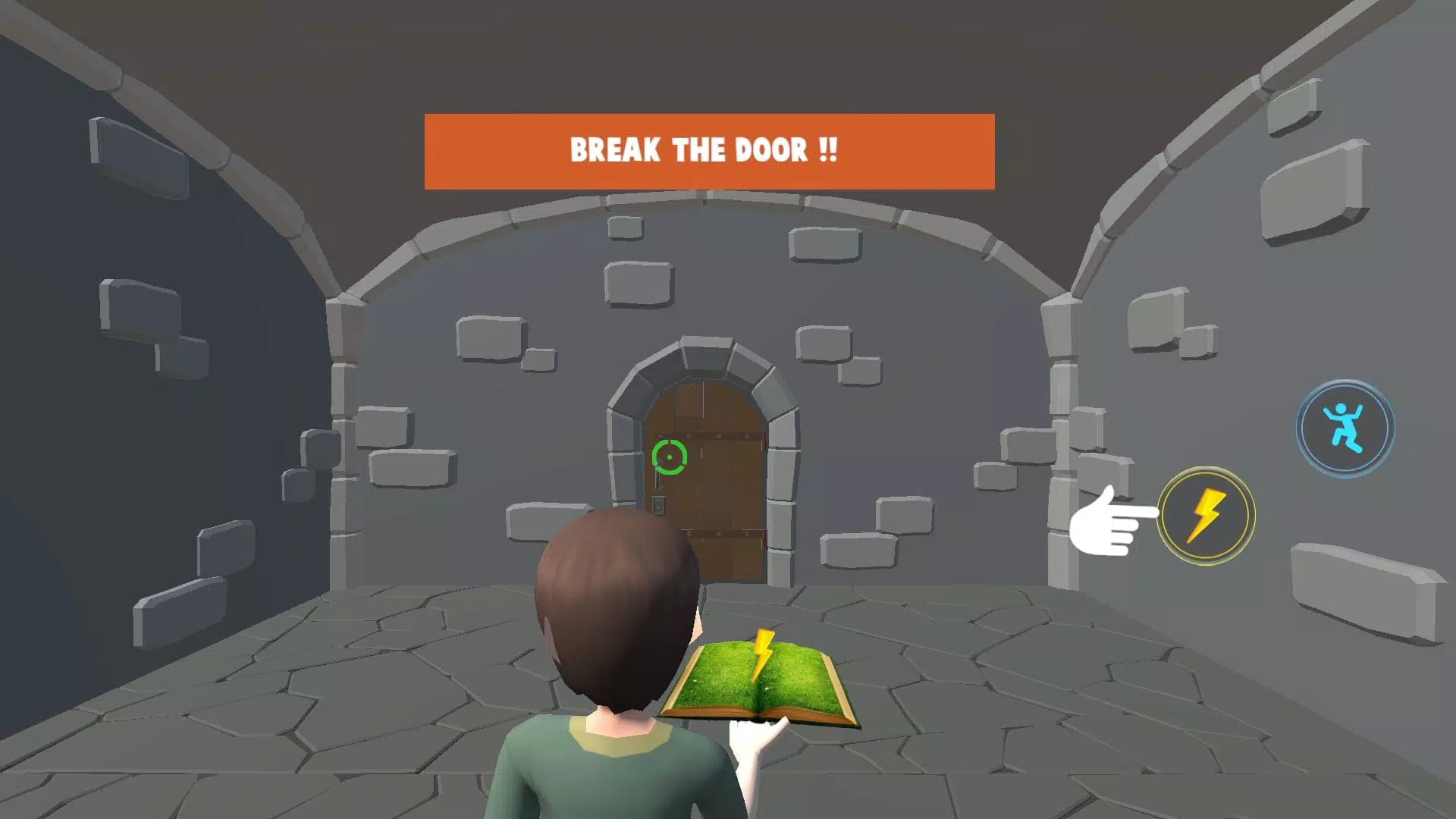
PowerPath is built for touch devices with intuitive control schemes that keep interaction straightforward. Casting uses contextual touch gestures and simple tap controls for targeting, with on-screen prompts that adjust based on available spells. The interface presents your prepared spells and ritual requirements clearly so you can swap abilities between encounters without sifting through deep menus. Tooltips and in-game hints help new players learn mechanics at a measured pace, while more advanced options remain available for experienced users who want to optimize loadouts and timing.
Character progression is driven by learning and refining spells rather than raw numerical boosts alone. As you advance from apprentice toward mastery, you expand your repertoire and can specialize in particular elements or ritual schools, allowing distinct playstyles—stealthy trickster, elemental controller, or ritual-focused strategist. Customization centers on spell loadouts and ability upgrades that change how spells behave; this lets you tailor your approach to puzzles and encounters without relying on external systems. Progress is meaningful: choices about which paths to pursue and which rituals to master shape subsequent gameplay options.
The game presents a moody, atmospheric visual language that emphasizes lighting, texture, and environmental storytelling to convey the tower’s history. Each floor has a thematic identity—ancient libraries, frost-choked halls, or magma-wreathed forges—and puzzles make use of those themes so the environment itself feels like a puzzle component. Subtle visual cues hint at secret passages, and careful observation is often rewarded with lore fragments or alternate routes that change how later floors play out.
PowerPath includes options intended to broaden accessibility: adjustable text sizes, colorblind-friendly spell iconography, and difficulty settings that can reduce or increase challenge intensity. The game is fully playable offline after installation, so you can explore and experiment without a persistent internet connection. Performance settings help tailor visual fidelity to a wide range of devices, ensuring stable play across modern phones and tablets.
Replayability comes from multiple sources: branching floor layouts, optional secrets, and the variety of spell combinations that produce different solutions to the same challenge. A layered difficulty system and deliberately consequence-driven choices encourage multiple runs to see alternate story outcomes or to test entirely different builds. While some encounters are intentionally demanding to reward careful planning, assist options and adjustable difficulty let players shape the level of challenge to match their preferred pace.
PowerPath rewards curiosity and strategic thinking by making choices matter, offering a deep progression curve anchored in spell mastery and environmental interaction. Newcomers may need time to master ritual timing and complex spell synergies, and the consequence-heavy nature of some choices can feel unforgiving to players expecting a forgiving, checkpoint-heavy experience. Overall, the game is best suited for players who enjoy a thoughtful single-player journey with layered mechanics and an emphasis on exploration and discovery.