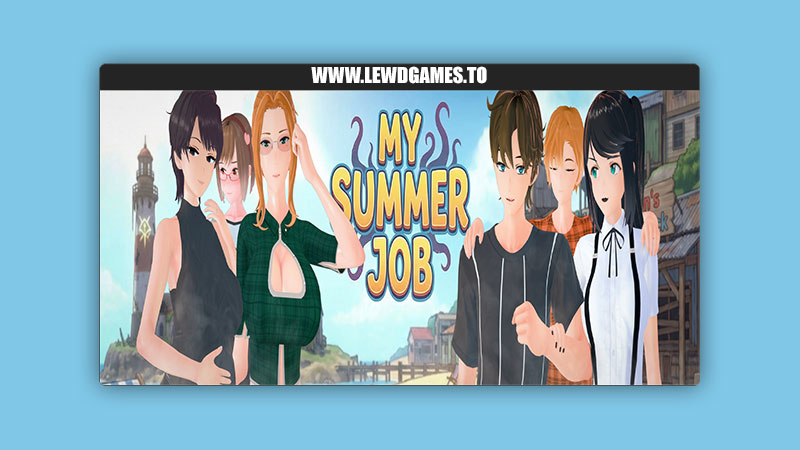

My Summer Job places you in the quiet village of Sleepy Fields for a laid-back season after high school, staying with friends Leo and Alice while you pick up seasonal work, earn money before college, and navigate relationships alongside a creeping mystery. My Summer Job blends simple, approachable job mechanics with a character-driven narrative and an unsettling subplot involving a spreading illness labeled HPL; the developer recommends playing with sound enabled so music and effects can build atmosphere.
The gameplay in My Summer Job centers on taking on short shifts at neighborhood jobs, completing concise work-focused tasks and managing your daily time. Each job plays like a short interactive routine: you perform context-specific actions, respond to simple prompts, and balance stamina or time meters to maximize pay. Outside of work, you decide how to use free hours—talk to Leo or Alice, explore local spots, or rest to recover energy. Decisions and performance affect your finances, relationships, and which story branches become available, so choices matter without demanding complex micromanagement.
Controls are designed for mobile touchscreens with straightforward tap and swipe interactions for tasks and menu navigation. Job minigames favor quick, responsive input: tap to interact, drag to complete simple motions, and use clear on-screen icons for inventory and objectives. Menus keep progression visible—current cash, day count, and relationship statuses are accessible from an in-game HUD—so players always understand their short-term priorities. Settings let you adjust audio and display elements for a comfortable experience.
Progression in My Summer Job follows a seasonal arc broken into days and weeks, where earnings unlock choices and narrative beats unlock based on time and relationships. As you advance, job assignments may introduce modest variations or slightly higher targets, increasing challenge without steep difficulty spikes. The HPL subplot gradually changes event conditions and can introduce tense moments that alter available activities or NPC behavior, providing stakes that evolve the otherwise relaxed rhythm of the game.
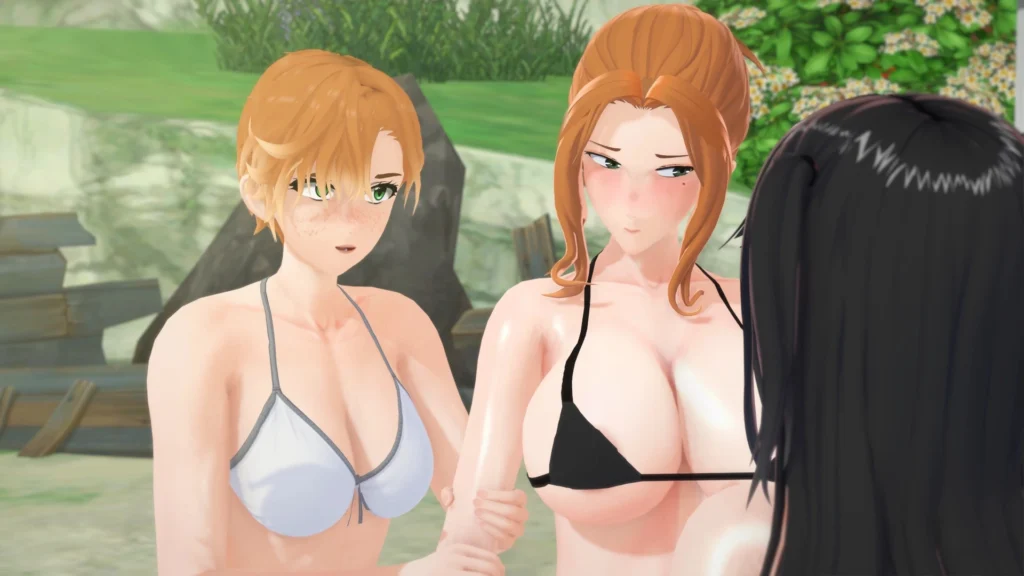
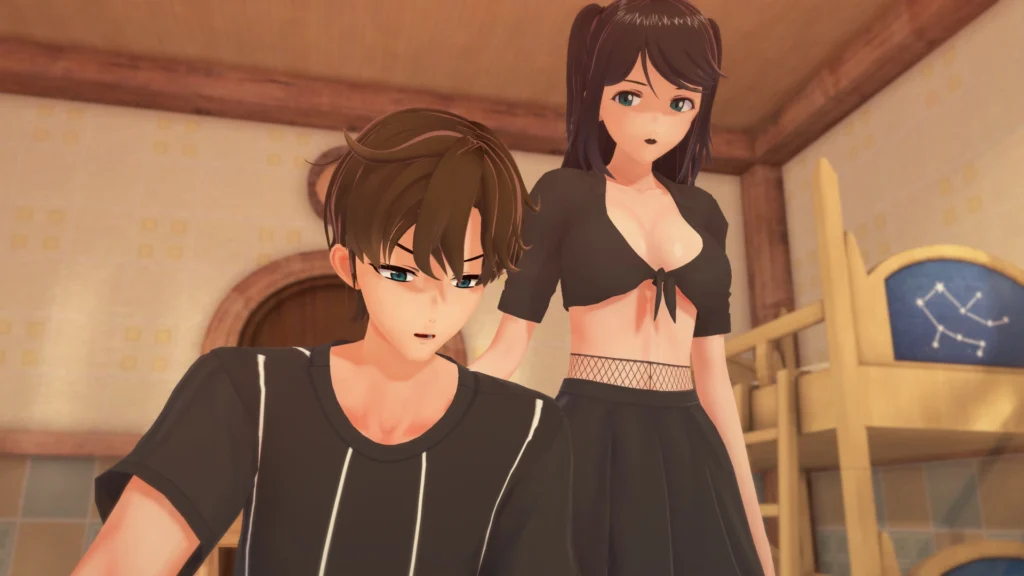
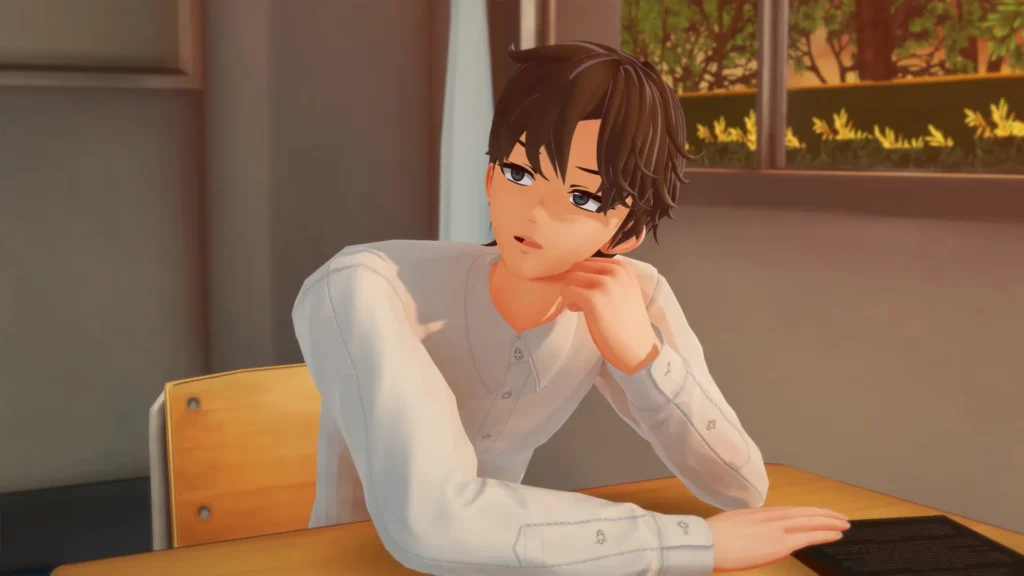
The game emphasizes a calm, intimate visual presentation focused on characters and the village atmosphere rather than flashy effects. Backgrounds and character portraits set a small-town tone, using lighting and sound cues to shift mood when the HPL story thread darkens the scene. Animations are deliberate and supportive of storytelling, and UI design favors legibility to keep attention on choice and character interactions rather than complex visual spectacle.
Structure is organized around daily schedules and location-based events: local businesses, homes, and community areas each host different job types or scripted encounters. A typical day might contain a morning job shift, an afternoon opportunity to explore a side event, and evening conversations that deepen relationships or reveal new information about HPL. This predictable daily flow makes it easy to plan, while occasional random events or changing conditions tied to the subplot keep replaying days interesting.
Player choice in My Summer Job centers on how you allocate your time, which jobs to accept, and which conversations or activities to prioritize. Those choices shape your finances and social connections, and they influence which narrative threads open up. Customization is framed around decision-based progression rather than deep cosmetic systems, so the emphasis stays on how you experience the story and relationships over visual personalization.
Replayability comes from different combinations of jobs, relationship focus, and how you respond to the HPL events. Trying alternate daily routines or prioritizing different characters produces varied outcomes and reveals new dialogue and scenes, encouraging multiple playthroughs to see how the village reacts to different choices. The game is built as a focused single-player experience intended for short sessions or longer narrative playthroughs.
The developer has put attention on approachable pacing and clarity: task prompts, readable text, and an adjustable audio mix allow players to tailor the experience. Sound is recommended for full immersion, but options are available to lower or mute music and effects. Subtitles and clear visual indicators support accessibility, and the forgiving progression means players can experiment without heavy penalties.
My Summer Job is a local single-player title that runs offline, which makes it convenient for travel or play without a persistent connection. The game is published in an early form by Rose Games to gather player feedback and evolve content; the current release is version 0.3a and may receive updates, refinements, and additional content based on community input. The team actively collects impressions about character appeal and systems to guide future improvements while keeping the core small-town life and narrative focus intact.