





devLOVE places you in the role of a producer guiding an indie game through its development cycle, presented as an adult visual novel that blends workplace drama, relationship building, and the practical pressures of shipping a project. In devLOVE you manage schedules, mediate conflicts, and make narrative choices that affect both the team's progress and interpersonal dynamics. The game's setting centers on a small studio where every conversation and calendar decision can change character relationships and the final outcome of the project, offering a slow-burn, character-first story for players who appreciate mature themes handled with narrative care.
The interface focuses on dialogue-driven scenes coupled with a light production-management overlay: choose conversation options, assign tasks using an in-game scheduler, and respond to emergent issues such as deadline slips or creative disagreements. Relationship meters track how characters feel about the player-character and about each other, and these meters shift based on your choices and how you allocate time and resources. There are no action-based controls to master: interactions are primarily tap-or-click driven, with menus for reviewing character profiles, project milestones, and pending tasks. devLOVE keeps controls accessible and intuitive so the emphasis remains on story choices rather than complex inputs.
Progression in devLOVE is chapter-based and mirrors a realistic indie development timeline: pre-production, alpha, beta, and a release milestone. Each chapter introduces objectives related to design, art, audio, and scheduling; fulfilling or deprioritizing these objectives influences both the in-game project status and how characters perceive your leadership. The game uses branching narrative paths rather than linear levels, so decisions create diverging storylines and multiple endings. Save slots and a straightforward scene navigation system allow you to revisit key decision points, explore alternate approaches, and see how different management strategies affect outcomes without requiring repetitive full replays.
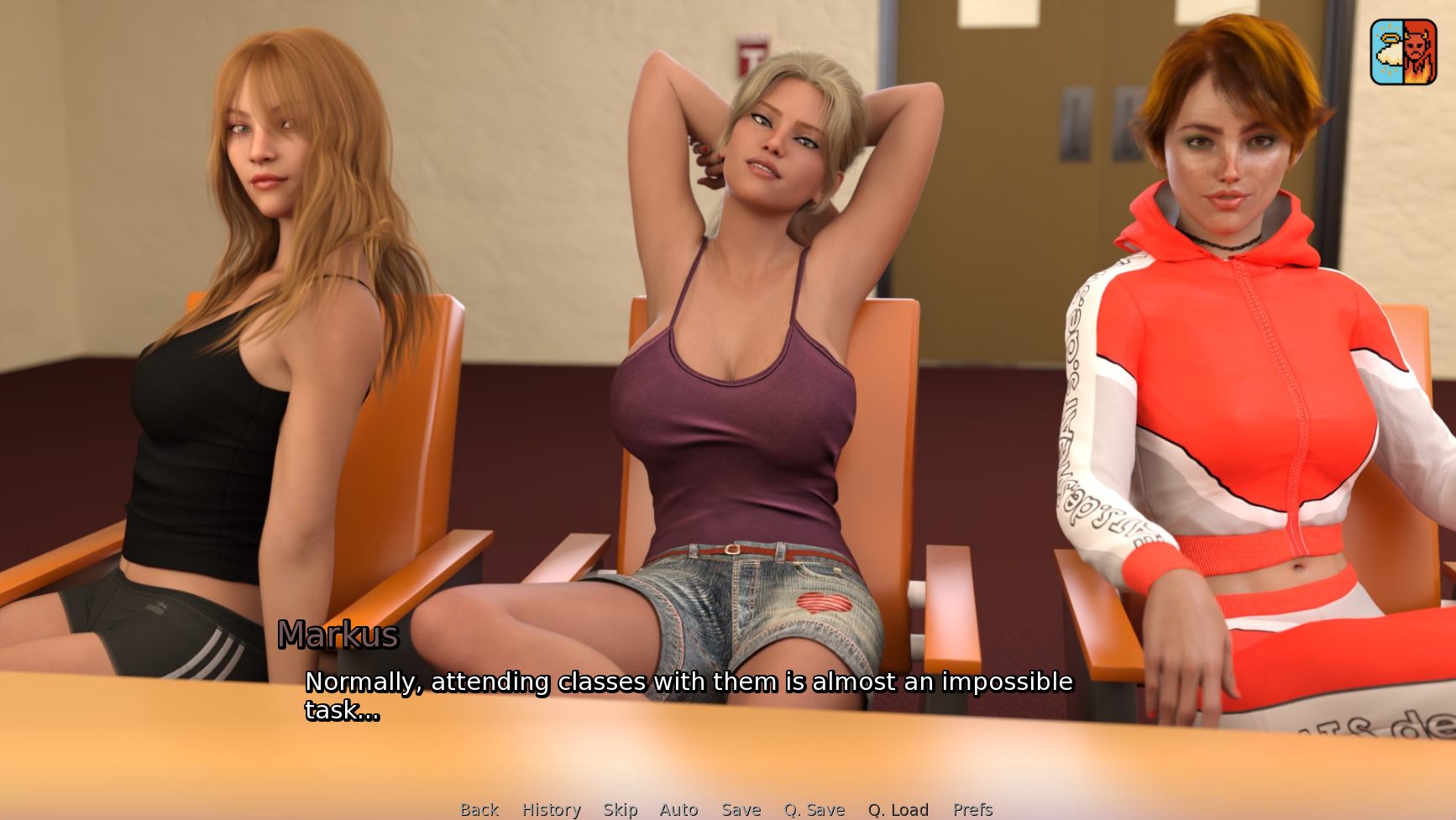
The visual presentation balances character-focused art with a studio-like user interface: detailed character portraits and expressive CGs appear during important scenes while a clean, unobtrusive HUD displays project health and relationship indicators. Backgrounds convey the small-studio environment—shared desks, meeting rooms, and late-night crunch sessions—without explicit imagery. The audio complements the mood with a composed soundtrack that shifts between quiet workplace ambience and more intimate, character-centered tracks. devLOVE aims for a coherent aesthetic that supports reading and immersion rather than flashy effects.
Players can personalize the producer character by choosing a name and selecting broad management styles through dialogue tones—firm, empathetic, pragmatic—which subtly affect how team members respond. The UI includes adjustable text speed, auto-advance options, and a history log so you can review past conversations. An in-game journal summarizes outstanding tasks and relationship highlights to help you keep track of project priorities. The design emphasizes readability and straightforward navigation to reduce friction while exploring the story.
devLOVE includes accessibility options such as adjustable font sizes, contrast-friendly UI elements, and the ability to disable or reduce incidental animations to improve performance on older devices. Voice or subtitle toggles are available for players who prefer one mode over the other. The game is playable offline after installation, allowing extended reading sessions without a persistent network connection. Settings let you tailor notification frequency for in-game deadline reminders and choose whether the story auto-saves at chapter milestones.
Replay value comes from multiple romance routes, varied team outcomes, and unlockable scene variations that reflect different project trajectories. Challenge is primarily narrative and management-based: balancing time between tasks and personal interactions, making trade-offs that preserve project quality versus team morale, and resolving interpersonal conflicts before they affect milestones. Difficulty is emergent rather than imposed—your choices shape how demanding the development cycle becomes—encouraging careful reading, exploration of alternate decisions, and multiple playthroughs to see how different strategies play out.
The current release is labeled version 0.1.1 and presents the core premise, character introductions, and the foundational project-management loop that defines the first development cycle. Future updates will expand chapters and provide additional scene content; meanwhile, this build focuses on establishing characters, relationships, and the scheduling mechanics that drive the narrative experience in devLOVE.