





Project Evolution: First Class is a single-player tactical role-playing game designed for short, focused mobile sessions. In this compact experience you develop superpowers, make tactical decisions in both social and combat encounters, and pursue membership in an exclusive elite squad that drives the narrative forward. The description below clarifies game type and core systems so reviewers and players can verify how the app behaves and what to expect when installing Project Evolution: First Class.
Project Evolution: First Class centers on brief, outcome-focused encounters where ability choice, timing, and situational context determine results. Encounters mix social negotiation and concise combat exchanges: using a power may open a new dialogue option, change an opponent's disposition, or alter the tactical layout of a scene. The game emphasizes clear cause-and-effect so player inputs produce visible reactions, and scenarios resolve without the long resource management loops common to larger titles. This keeps each run compact and easy to replay while preserving meaningful decision-making.
The interface is built for touch-first play: tap to select abilities or dialogue lines, with swipe gestures for quick positioning or evasion during combat sequences. Menu layouts and icons are scaled to be readable on smaller screens, and contextual prompts appear only when necessary to reduce clutter. Sessions autosave between encounters to allow for interrupted play—pick up precisely where you left off without lengthy setup. Controls can be simplified in the accessibility options to match different comfort levels with timing-dependent inputs.
Progression in Project Evolution: First Class revolves around unlocking and upgrading a suite of powers that alter how future encounters play out. Players earn resources by completing scenarios and can invest them to broaden their toolkit or enhance core abilities. Customization supports distinct approaches: emphasize social influence and persuasion to avoid conflict, develop direct confrontation strengths for head-on tactics, or mix capabilities for flexible responses. Each investment changes available dialogue and tactical options, so progression is designed to support experimentation rather than funneling every player down a single path.
The game is structured as a sequence of discrete scenarios that vary in objective, pacing, and opposition. Some levels lean into narrative choice and character interaction, while others present concise combat situations that reward timing, positioning, and the creative use of powers. Adaptive challenge systems adjust opponent behavior and scenario conditions based on player performance, encouraging multiple strategies and preventing single-strategy dominance. This scaling aims to keep short sessions engaging without abrupt spikes in difficulty.
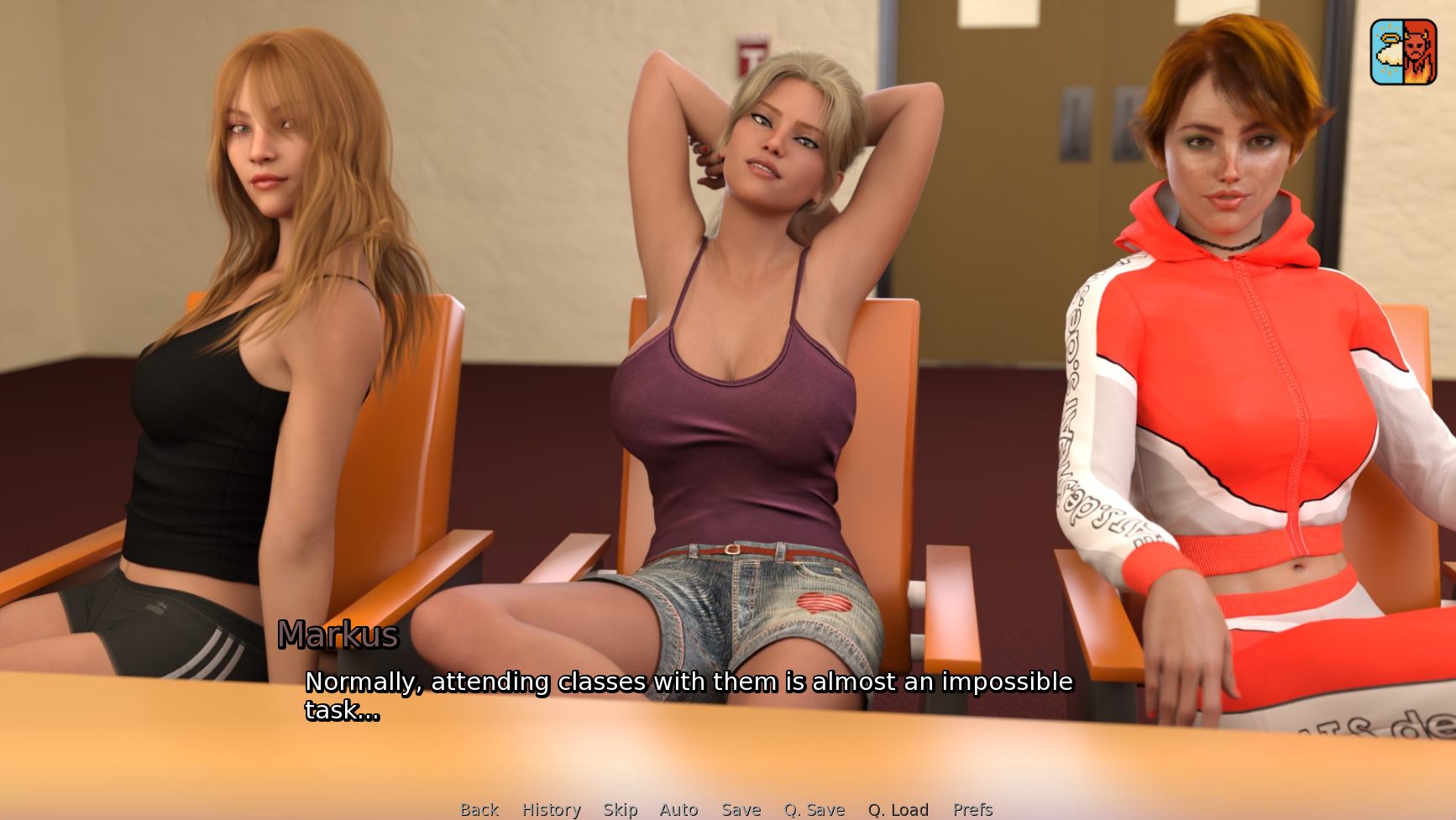
Project Evolution: First Class uses a stylized visual approach optimized for quick readability: clear character silhouettes, distinct ability effects, and a clean UI make it easy to evaluate options at a glance. Visual feedback highlights successful actions and clarifies the link between player choice and result. The audio design complements pacing with focused cues for key events and mood-driven music that shifts between tense and contemplative depending on the encounter. Together these elements help maintain momentum in short play windows while supporting tactical clarity.
Replayability is built into branching choices and incremental progression. Because the title is a single-player tactical role-playing experience, players can experiment with different builds and strategies across multiple runs without needing persistent online connections. Multiple outcomes, optional objectives, and recurring characters create incentives to revisit scenarios and discover alternate interactions, so short sessions can produce different results as abilities change over time.
Designed primarily for solo play, Project Evolution: First Class keeps its core systems local to ensure sessions are available offline and responsive on a range of devices. Accessibility options include adjustable text sizes, simplified control modes for those who prefer fewer inputs, and pacing settings that reduce pressure during timed elements. These choices aim to make the experience approachable for players with different preferences and play conditions while preserving tactical depth.
Version 0.05 introduces the narrative hook around the elite squad and refines the core loop: test and refine powers to influence key characters and progress through scenario sequences. Future updates are expected to add additional abilities, new scenarios to broaden tactical variety, and incremental quality-of-life improvements such as clearer tooltips and streamlined encounter setup. The focus will remain on single-player content, short-session polish, and expanding the choices that shape how each encounter resolves.