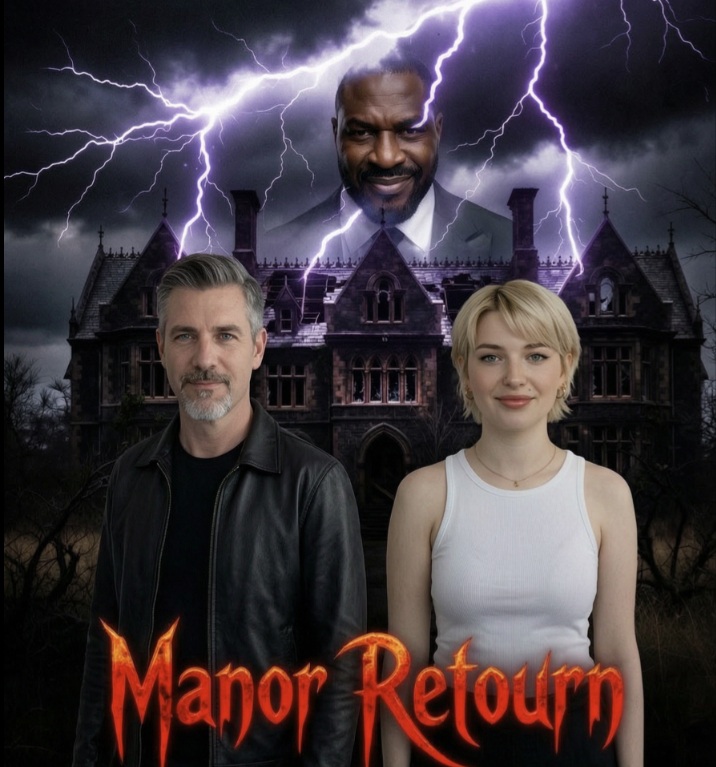





Manor Return is an indie narrative-driven exploration game that places you in a decaying country estate where a pair of caretakers arrive to restore an old manor and gradually uncover the house's layered history. Manor Return focuses on atmosphere, quiet character interactions and environmental storytelling rather than action, blending slow-paced exploration with episodic scenes that emphasize mood, memory and mature themes without explicit content. If you appreciate games that prioritize tone, thoughtful design and small, meaningful discoveries, this title offers a compact, experimental experience built around observation and reflection.
The design centers on short, evocative sequences and close-quarters exploration that reveal personality through setting and dialogue instead of combat or leveling. Manor Return structures its narrative as a series of rooms, corridors and garden spaces to investigate, each containing contextual interactions, scattered documents and small tasks that alter the environment and unlock new moments. The current build (version 0.2.1) refines scene pacing and polishes transitions so players can enjoy the material in bite-sized sessions while still following a coherent, gradually unfolding story.
Gameplay is driven by careful observation, light problem solving and scene-triggering interactions. Players examine objects for clues, open drawers and inspect notes to prompt memory-driven vignettes, and complete modest repair tasks that change access to rooms. The inventory is intentionally minimal, holding only items that matter to subsequent scenes, while interactions are designed to be quick and meaningful; puzzles are gentle and aim to complement narrative discovery rather than dominate the experience. This approach rewards attention to environment, encourages reading contextual hints and supports a contemplative playstyle.
The interface has been tuned for touch devices with simple tap-to-interact and swipe-to-look controls, along with clear on-screen prompts to guide new players through their first area. Menus prioritize readability with straightforward icons for the journal, objectives and collected items, and controls remain responsive on both phones and tablets. Text sizes and interaction hit areas are calibrated for comfortable play during short breaks or longer exploratory sessions, while subtle visual cues help indicate interactive objects without overwhelming the scene.
Progress unfolds through interconnected interior rooms and outdoor garden areas that gradually unlock as restoration tasks are completed and narrative beats are triggered. Each space functions as a self-contained vignette with its own mini-goals—repairing a fixture, reconnecting utilities, or piecing together a narrative thread from scattered documents and objects. This chapter-like progression keeps pacing deliberate, allowing players to return to specific rooms to pursue optional encounters and uncover layered environmental details at their own pace.
Manor Return employs a restrained visual approach that emphasizes texture, lighting and composition to build atmosphere. Interiors feel worn and lived-in, with layered props, muted palettes and directional lighting that create pockets of mystery. The audio design supports the tone with ambient layers, subtle Foley and sparse musical cues that punctuate emotional beats while preserving quiet moments. Together, the visual and audio choices aim for an intimate, slightly unsettling mood that complements the narrative without relying on spectacle.
Accessibility and comfort options are included so a broad range of players can enjoy the story: adjustable subtitle and text sizes, separate audio sliders for music and effects, and configurable control sensitivity. Prompt timing can be eased for players who prefer slower interactions, and the readable text presentation makes object descriptions and dialogue accessible. These settings ensure Manor Return is approachable for diverse play styles without compromising the intended pacing and atmosphere.
Replayability comes from optional discoveries and layered environmental storytelling rather than divergent storylines or skill-based competition. Hidden notes, alternate scene triggers and small variations in character interactions encourage revisiting areas to assemble a fuller picture of the manor's past. Challenges are modest and environmental—light puzzles, attention-based tasks and exploration constraints that reward careful reading rather than quick reflexes, maintaining a contemplative tone throughout repeat visits.
Manor Return is designed to be playable offline, allowing uninterrupted exploration without a network connection. As an experimental indie release currently identified as version 0.2.1, the game emphasizes atmosphere and narrative clarity while continuing to grow in content and polish. Expect a compact experience suited to short sessions, with ongoing updates likely to expand interactivity, refine pacing and add optional discoveries based on player feedback.