

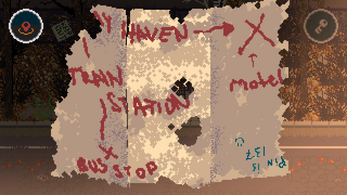

Meat Parade drops players into Grayhaven, a coastal town rewritten by a dark tradition, and sets a tense tone from the first scene. In Meat Parade you follow Eli, a newcomer who arrives expecting hospitality but becomes entangled in a living ritual that transforms streets and tunnels into constant hazards. This editor review introduces the game mechanics, presentation and settings you can expect from Meat Parade while keeping spoilers to a minimum.
The core of Meat Parade is exploration-driven survival horror that emphasizes avoidance, observation and environmental problem solving over combat. Players move through layered environments where light, sound and line of sight matter: turning a lantern on may reveal a path but also attract attention, while remaining in shadow encourages stealth. Resource management is restrained — inventory is intentionally limited so choices about what to carry matter, and consumable items are rare to preserve tension. Environmental puzzles and locked passages require careful searching and use of improvised tools, and encounters are designed to reward patience and planning rather than reflexive aggression.
The control scheme is tailored for mobile play with an on-screen movement control, a context-sensitive interact button and a simple toggle for light and audio cues. Menus emphasize clarity, with short tutorial prompts that introduce mechanics gradually rather than overwhelming the player. Sound design is integral to navigation: the directional audio cues help locate hidden passages or signal danger, and tactile feedback is used sparingly to reinforce important moments. The UI minimizes clutter so players stay immersed in Grayhaven’s environment without distraction.
Progress in Meat Parade unfolds through narrative chapters that reveal Grayhaven’s story as players explore distinct districts and subterranean tunnels. Checkpoints are placed to respect the game’s atmosphere — failures carry consequence but do not force excessive repetition. Optional side paths contain environmental logs and small collectibles that expand the setting and encourage multiple playthroughs. Rather than experience points or character levels, progression is driven by information and access: finding maps, keys or routes that open new areas and reveal more of the town’s unsettling past.
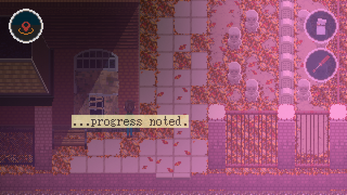
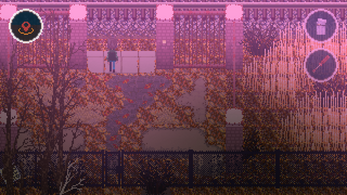
Visually, Meat Parade relies on mood over flashy effects: a muted palette, dense fog, and carefully framed interiors create an oppressive, immersive backdrop. The art direction pairs suggestive silhouettes with close, claustrophobic camera compositions in tunnels to maintain suspense. Audio work complements the visuals with layered ambient noise, far-off screams and directional effects that inform player choices. Together these elements create a sensory experience intended to maintain a sustained feeling of dread without relying solely on jump scares.
Players can tailor their experience through adjustable difficulty settings that influence enemy awareness, resource scarcity and checkpoint frequency. For those who prefer a more narrative-forward session, easier settings reduce tension and make exploration smoother; higher settings increase stealth demands and tighten supplies for a more unforgiving survival challenge. Control sensitivity, audio levels and subtitle options are all adjustable, allowing the experience to be tailored to different play styles and device capabilities.
Meat Parade encourages replay through branching routes, optional rooms and environmental secrets that shed light on character motives and town history. Because the game rewards careful exploration and attention to sound, subsequent runs often reveal new paths or previously missed details. Multiple endings are suggested by choices and the order in which locations are discovered, providing reason to revisit Grayhaven and experiment with different approaches to survival.
Accessibility features include adjustable text sizes, subtitle toggles and visual contrast options to aid readability in low-light scenes. The single-player campaign is fully playable offline, so the experience is self-contained and does not require a persistent connection. Performance settings allow users to prioritize frame rate or graphical fidelity to suit a wide range of devices, helping maintain a consistent experience on both modern and older hardware.
Overall, Meat Parade is best suited to players who appreciate slow-burn horror, environmental storytelling and stealth-focused survival. The game avoids gratuitous spectacle in favor of sustained atmosphere and careful design choices that encourage exploration and careful decision-making.