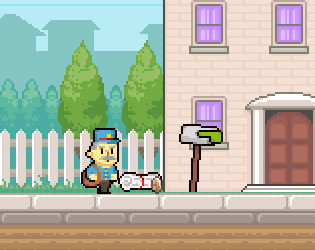

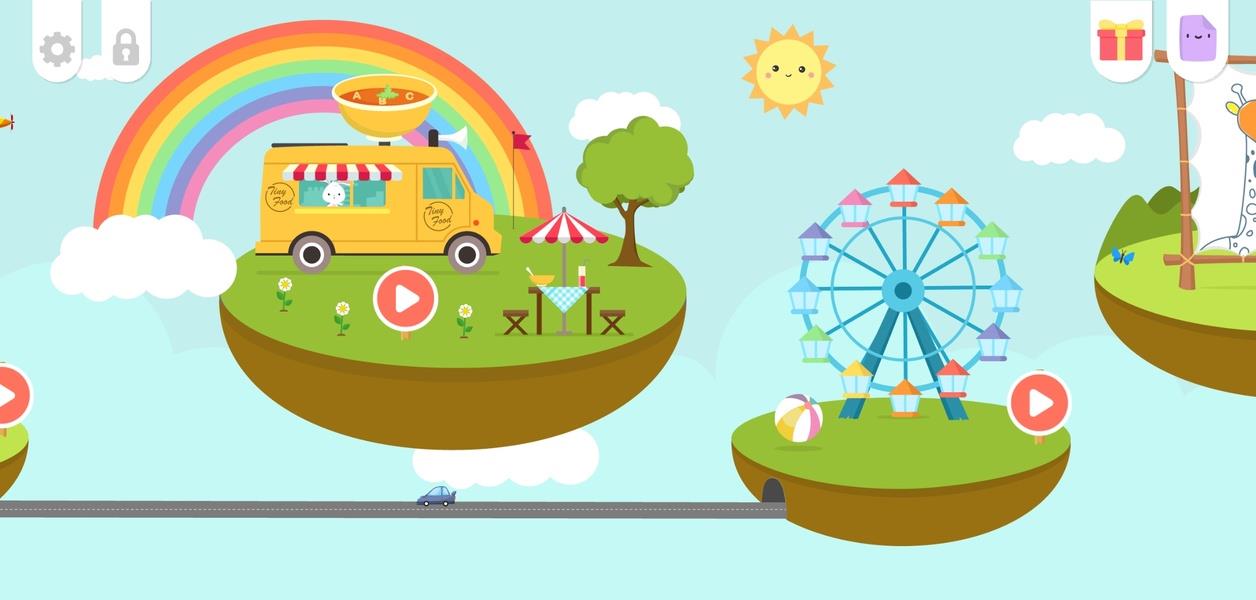
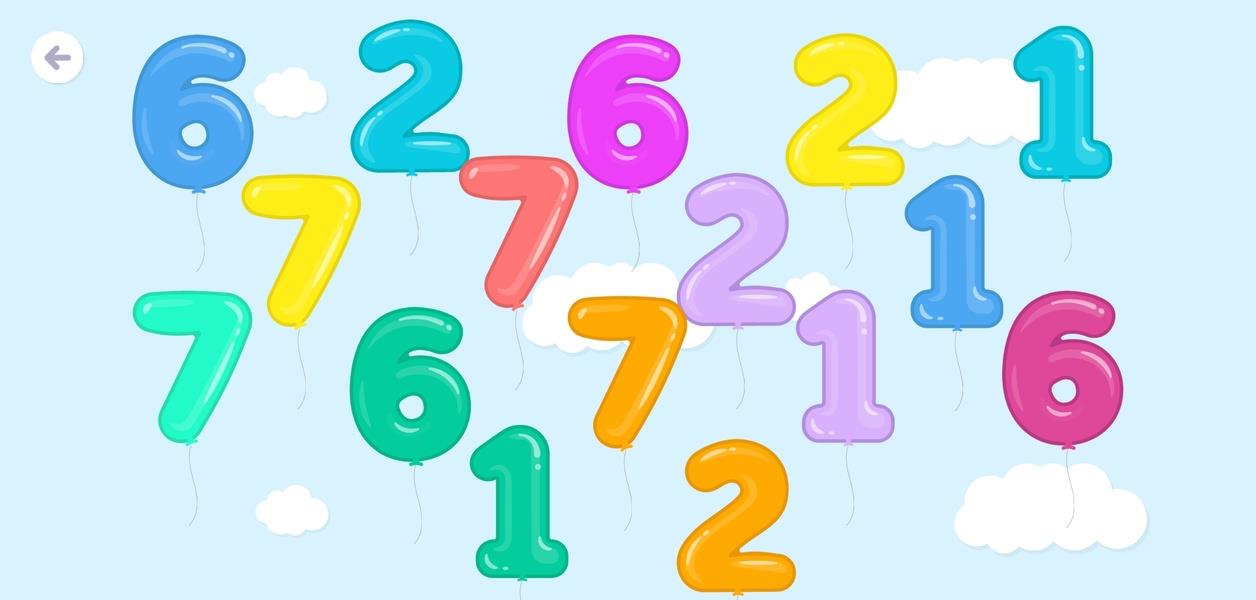

Tiny Puzzle - Learning games is a collection of playful, educational mini-games designed for toddlers aged 2–5 and their families. The app mixes simple interactions with gentle challenges and bright animation so young children can explore colors, numbers, letters, animals and everyday objects while they drag, tap and match. Activities were developed to build fine motor skills, early vocabulary and basic association through short, repeatable levels and friendly feedback that rewards progress. Tiny Puzzle - Learning games aims to provide guided, age-appropriate screen time that parents can trust as part of a preschool routine.
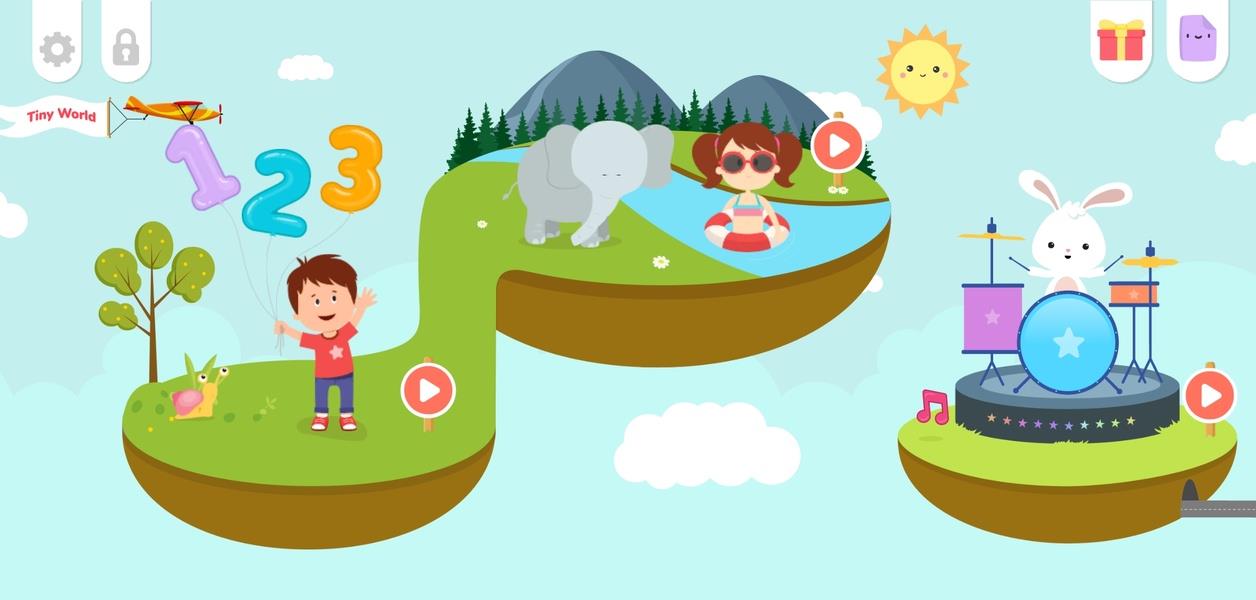
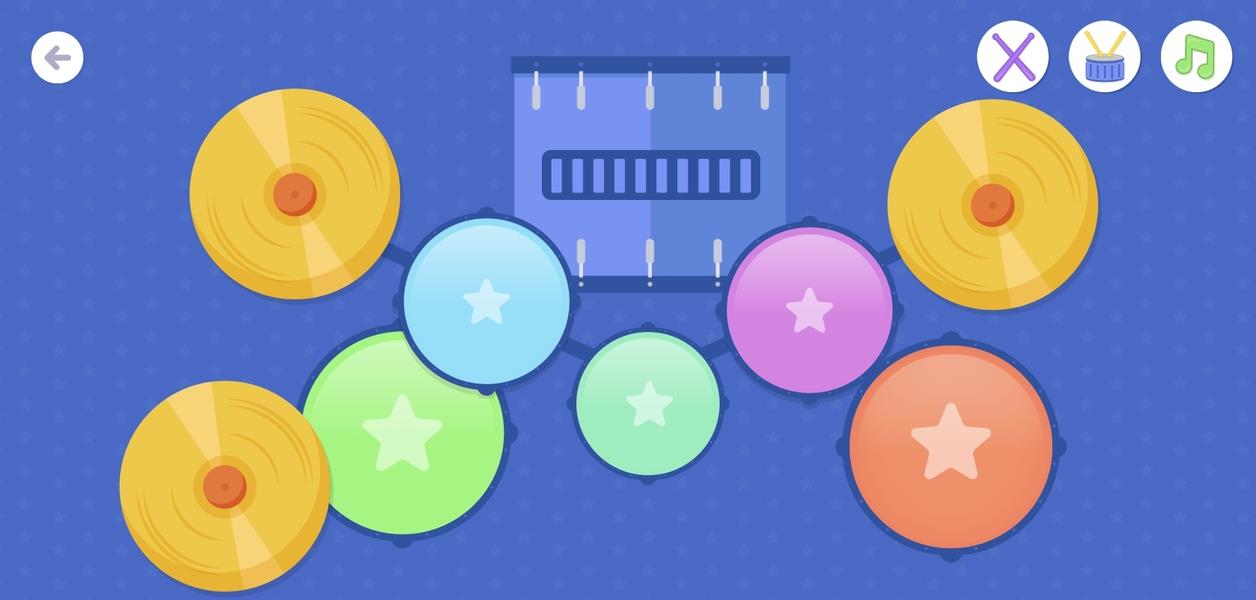
Tiny Puzzle - Learning games includes over 200 short activities across several play modes, all accessible without in-app payments or locked content. The collection covers puzzle completion, matching and memory games, simple logic challenges, musical interaction and creative tasks like coloring and letter exercises. Multi-language support helps families use the app in English, Spanish, Portuguese, French, Arabic, German, Polish, Indonesian, Italian, Turkish and Russian. Visual and audio feedback is consistent across activities to reinforce learning and encourage repeated practice.
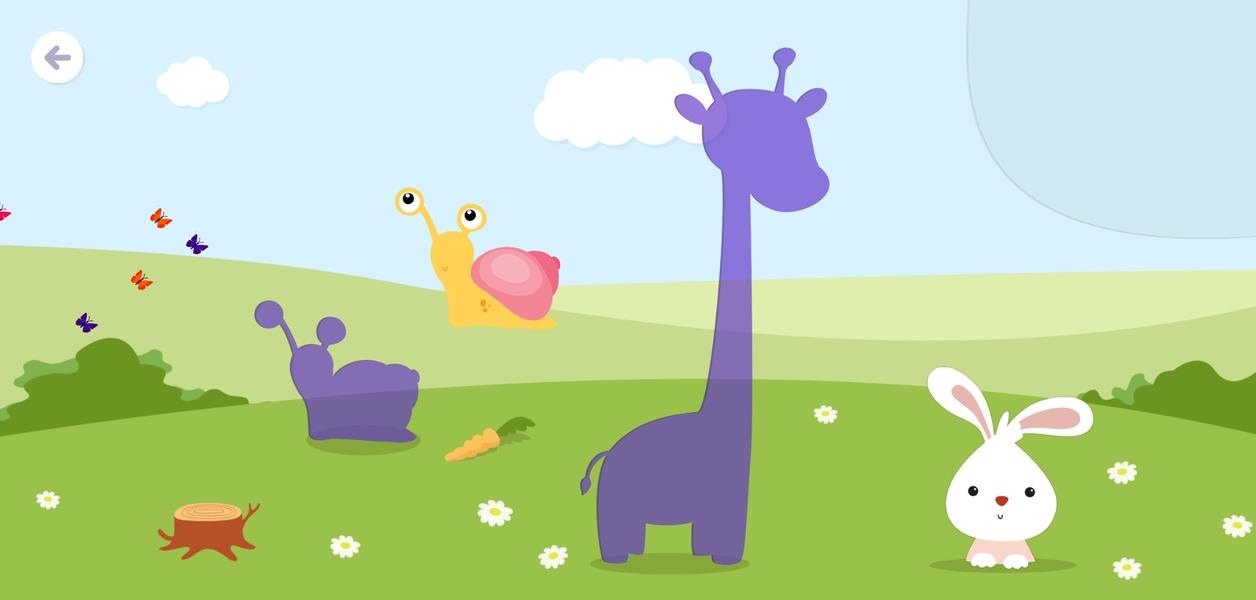
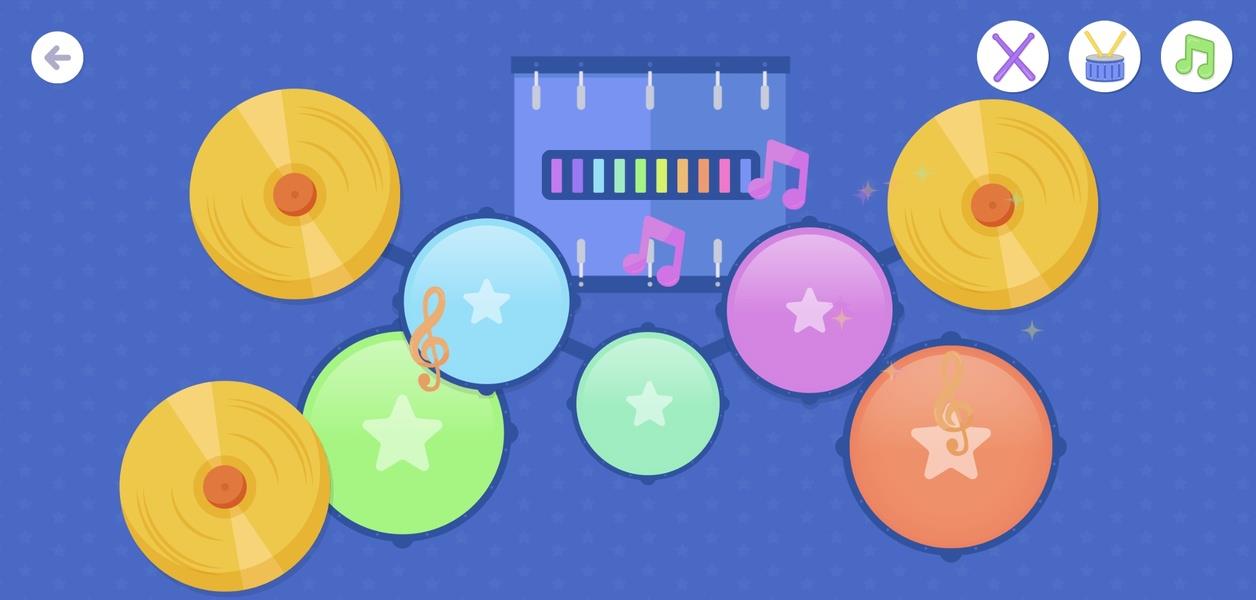
Controls are tailored to very young users: tap to select, drag to place pieces, and simple swipe gestures for navigation. Games focus on a few core mechanics so children can learn through play without complex menus. Puzzle levels present silhouettes or outlines to match shapes and objects, memory games use pairs and progressive card counts, and musical modes let kids tap instruments to explore rhythm and counting. The interface uses large touch targets and minimal text so non-readers can play independently while auditory cues guide each step.
Progress is designed to be measurable but low-pressure: short levels take only a minute or two and offer immediate encouragement with visual rewards, stickers or stars that mark improvement. Difficulty scales gradually by increasing piece count, reducing on-screen hints or adding timing elements for older toddlers. Parents can notice skill growth through repeated levels that become subtly more complex, giving children the chance to master shapes, letters and counting before moving on to the next challenge.
The app uses bright, high-contrast illustrations and friendly character art to keep attention without overstimulation. Levels are organized into quick scenarios and themed sets so caregivers can pick activities by topic — for example, colors, animals or alphabet practice — or allow free-play exploration. Customization options include adjustable difficulty ranges and the ability to repeat favorite activities; audio volume and language selection are easy to change from a simple settings area designed for adults to configure quickly.
Replay value comes from a broad variety of short activities, randomized elements inside memory and puzzle sets, and progressive challenges that change subtly each time a level is replayed. Games encourage mastery rather than score-chasing: repeated completion unlocks new scenes and small collectible rewards while maintaining an experience suited to early learners. The balance of predictable structure and slight variation keeps the content engaging across multiple sessions.
The interface intentionally supports non-readers through clear icons, spoken instructions and consistent visual cues; large buttons and a clutter-free layout reduce accidental taps. Tiny Puzzle - Learning games is designed to work without a persistent internet connection for the core activities, allowing parents to use it safely on tablets or phones during travel or offline moments. The app contains no adult content and aims to provide a family-friendly environment that emphasizes privacy and simplicity.
Designed with educational principles in mind, the app reinforces cognitive and motor development through short, repeatable tasks and positive feedback. The wide variety of mini-games keeps children engaged and allows parents to select activities by skill area. Being completely free with full access to content makes it easy to introduce into daily routines, and multi-language support broadens usability for diverse households.
Because the content is focused on ages 2–5, older children will likely find the activities too simple as their skills advance. Some exercises intentionally rely on repetition to build mastery, which may feel repetitive to caregivers over time. Language support covers many major languages but does not include every regional tongue, so families speaking less-common languages may see fewer localized assets.