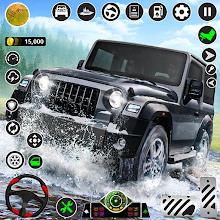
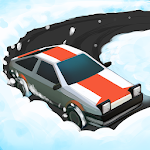
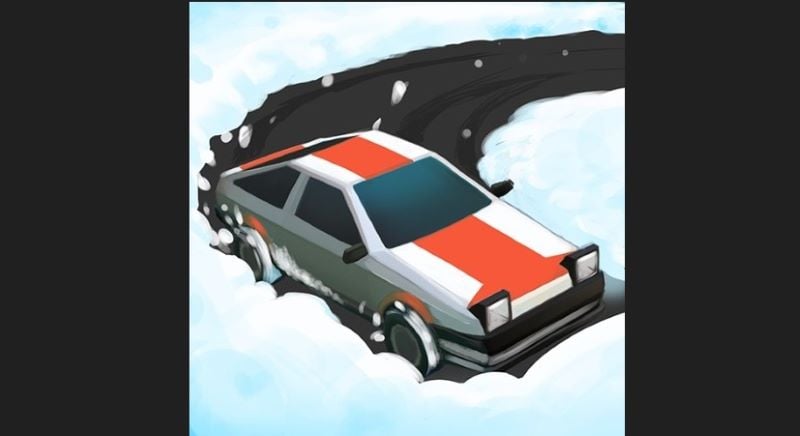
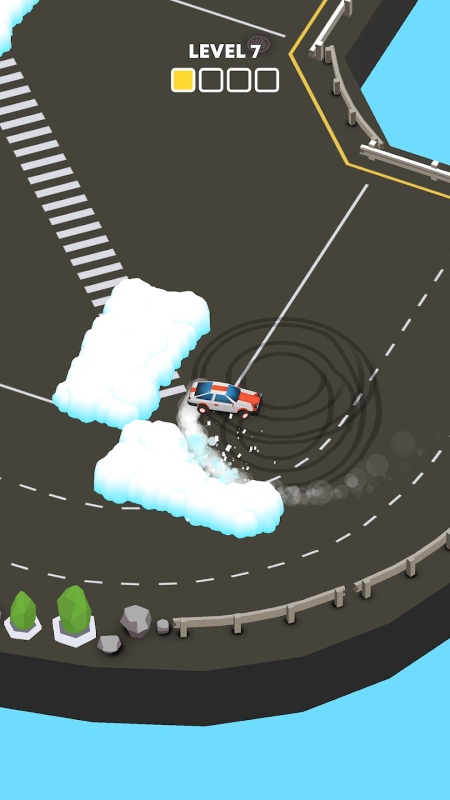
Snow Drift reimagines winter racing as a focused, skill-driven drift experience where the objective is not only to cross the finish line but to carve, smash and sculpt the snow itself. In early runs the game asks you to balance speed with precision: a perfectly timed drift can shave a snowbank, create a shortcut and score style points, while an over-committed collision can leave you stranded. Snow Drift is designed for players who enjoy mastering vehicle handling, tweaking setups and replaying short, intense runs to improve lines and scores.
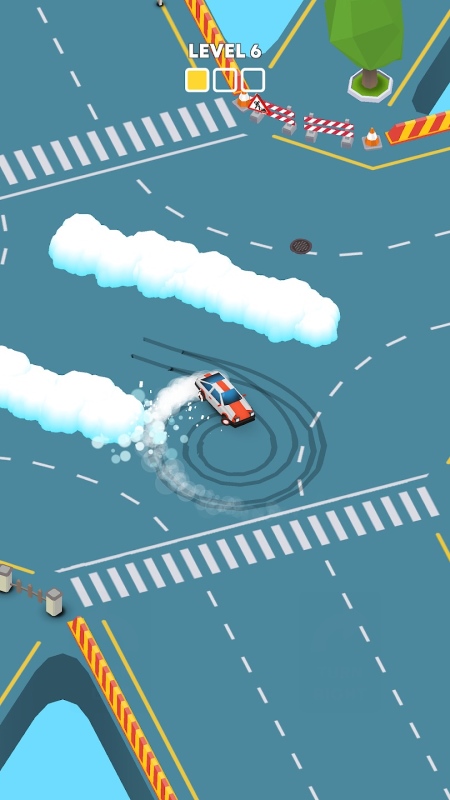
The core loop in Snow Drift combines arcade accessibility with layered depth. Tracks are elevated and often narrow, bordered by fences and lined with destructible snow piles that respond to angle and momentum. Vehicles differ markedly in weight, power and steering behavior so each car rewards different approaches to the same turn. Practice arenas let you isolate skills like counter-steering, clutching and weight transfer, while timed course variants test consistency under pressure. The game also includes a progression economy where in-game earnings unlock new cars and upgrades; some community MOD versions advertise alternate economies, including unlimited funds.
At its heart Snow Drift emphasizes controlled slides and impact-based terrain change. Drifting earns style points and chips away at snowbanks, but collisions are a tactical tool rather than just a failure state: hitting a pile at the right speed produces a gap you can exploit. Environmental hazards such as fences and abrupt drops demand quick recovery techniques, and the physics favor momentum management over brute force. Scoring mixes time, artistic turns and the amount of snow cleared, encouraging runs that blend speed with deliberate, high-skill maneuvers.
Controls are tuned for touch devices with multiple input options to suit player preference. You can steer with on-screen controls or choose tilt steering where available; sensitivity settings and aim-assist toggles let newcomers reduce the initial learning curve. Brake and handbrake inputs are responsive, and visual indicators help read drift angle and traction. Accessibility options include simplified steering, adjustable camera distance and the ability to remap core inputs so players with different needs can find a comfortable setup.
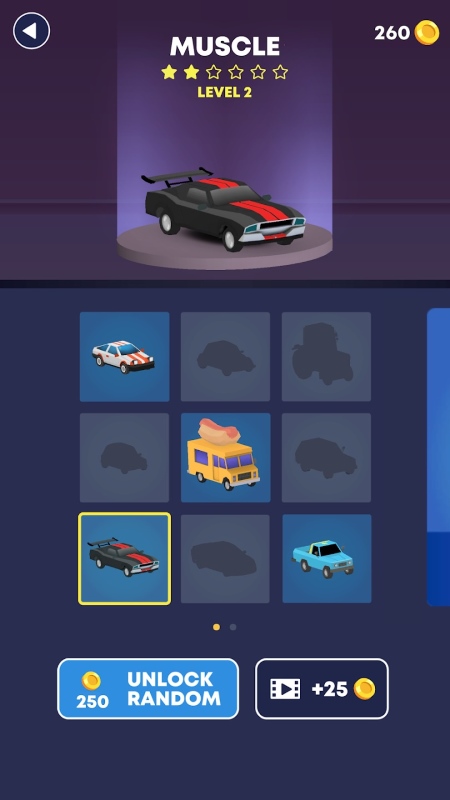
The progression system in Snow Drift rewards practice and experimentation. Credits earned from runs allow you to unlock a wider garage, purchase performance parts and apply tuning changes such as suspension stiffness, differential bias and brake balance. Upgrades alter handling in meaningful ways, so lightweight tuning can turn a twitchy sports car into a drift-friendly machine while power increases favor high-speed entries. Progress is incremental and encourages replaying earlier tracks with new builds to uncover alternative lines and higher scores.
Visually Snow Drift favors crisp environments and readable track geometry over photo-realism, which helps when you need to judge angles and gaps at speed. Snow reacts visually to impacts, leaving temporary scars and ruts that can change the best line for subsequent laps. Audible feedback is an important cue: tire screeches, engine notes and the crunch of snow reinforce the physicality of each maneuver and improve situational awareness during close calls.
Tracks are designed around short runs with variable layouts that shift obstacles and fence placements between attempts. This creates a sandbox-like series of micro-challenges where a particular corner can reward creativity or punish recklessness depending on the course configuration. Time trials, score challenges and practice modes provide distinct goals, and the level design encourages learning through repetition since small adjustments in entry speed or angle yield large differences in outcome.
The vehicle roster spans nimble city runabouts, heavier pickups and sharper race-oriented machines, each presenting a different way to approach drift objectives. Cosmetic options allow you to personalize cars visually while tuning and upgrade slots affect performance directly. Experimenting with tire compounds, weight distribution and drivetrain settings is part of the appeal, and visual customization helps players track which builds are their favorites during quick sessions.
Snow Drift is built for repeat play: short, satisfying runs, a variety of challenge types and depth in car setup create motivation to return and improve. The game is primarily a single-player experience designed to work offline, letting you practice and progress without a persistent connection. Restart options are forgiving, and the combination of practice areas and incremental progression makes onboarding welcoming while retaining a high skill ceiling for dedicated players.
Players should expect a learning curve: precise drifting and recovery from high-speed impacts require practice, and the most hazardous tracks can lead to frequent crashes that some may find frustrating. The reward comes from mastering those situations, but casual players may prefer to use assistance options or start in practice modes to build confidence before attempting harder layouts.