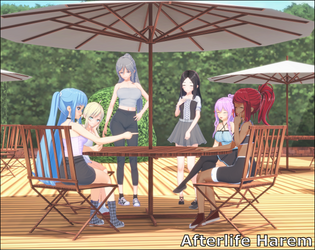

Afterlife Harem is a single-player dating-sim visual novel with life-sim elements that casts you as a newly appointed Guide to the afterlife, guiding returned souls while you explore romance and community life in a small supernatural town. The app type is a single-player narrative simulation combining relationship-driven storytelling and light resource management, and the game is built around character progression, choice-driven interactions, and repeatable daily activities. Afterlife Harem presents a mix of conversational scenes, intimacy systems, and town exploration that should appeal to players who enjoy character-first progression and collectible story moments.
Gameplay centers on building relationships through repeated interactions, gifts, and missions. Most characters in town can become potential romantic partners, and intimacy is tracked with a visible meter—spending time with characters, choosing dialogue options and giving appropriate gifts raises intimacy toward scene triggers and story beats. The teammate memory system is a core mechanic: as bonds deepen, allies begin to recover fragments of their past lives, which unlocks additional quests, new activities and character-specific storylines. In addition to relationship loops, players manage everyday tasks such as cooking and gardening, which produce resources used for gifts and quest rewards; a fishing feature is scheduled for an upcoming release to broaden gathering and crafting options.
Controls are designed for touchscreens with simple tap-and-select mechanics for dialogue, inventory and quest menus. The in-game phone acts as a central hub: it hosts a messaging app where replies can affect relationships, a gallery to replay unlocked scenes, and a quest log that tracks progress. Navigation through town uses a straightforward node-based map for easy movement between locations, and interactive scenes pause the day cycle so players can focus on story choices without rushing. The interface aims to be uncluttered and accessible for both first-time visual novel players and those familiar with life-sim systems.
Progression is multi-layered and designed to reward steady play. Intimacy thresholds trigger relationship scenes and chapter beats, while quests and missions advance the main narrative and award items that make it easier to build bonds or access special events. Time management plays a part: deciding which characters to spend limited interaction points with, which resources to allocate to gifts, and which activities to prioritize creates meaningful choices. Optional content and VIP support can provide early access to new storylines for players who wish to support development, but core progression remains achievable through standard play.
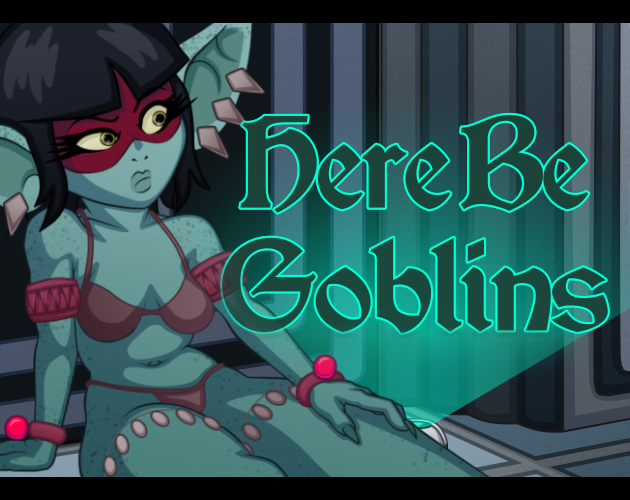
The visual presentation leans on character-focused illustration and atmospheric environments that evoke a small-town, slightly supernatural mood. Character art emphasizes expression and pose during key moments while background locations are designed to reflect the town's different districts and seasonal changes tied to activities like gardening or fishing. Text presentation and dialogue pacing are tuned to let narrative moments breathe, with a scene gallery available for replaying favorite interactions and reviewing unlocked artwork.
Rather than heavy cosmetic systems, customization in Afterlife Harem is focused on personalizing your playthrough through choices: which characters you pursue, which quests you prioritize, and how you allocate time and resources. The town is structured into areas that unlock as the story progresses, with chapter-style events that introduce new characters or activities. This structure supports both short play sessions and longer runs where players follow multi-session story arcs to reach higher intimacy milestones or to complete memory-recovery threads.
Replayability comes from the large cast of romanceable characters, branching interactions and the teammate memory system that opens differing story beats depending on who you deepen ties with. Multiple playthroughs reveal alternate dialogues, different event outcomes and new combinations of character interactions. The game supports quick saving and a gallery system for revisiting unlocked scenes, which together make experimenting with different choices and relationship paths user-friendly and rewarding.
Afterlife Harem includes accessibility-minded options such as adjustable text size, configurable text speed and basic visual clarity settings to accommodate different reading preferences. The single-player game is primarily playable offline after installation, so players can enjoy the narrative and life-sim loops without a constant network connection. Save options and an autosave feature help reduce progress loss and make it easier to pick up where you left off.
The developers plan regular updates that expand activities and story content; fishing is scheduled to arrive in version 0.2.6 to broaden resource gathering and activity variety. Ongoing patches will refine balance, add additional dialogue and memory scenes, and offer optional early-access content for supporters. The project remains in active development, so players should expect incremental improvements and new content over time.