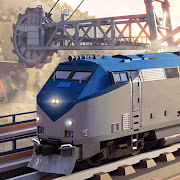
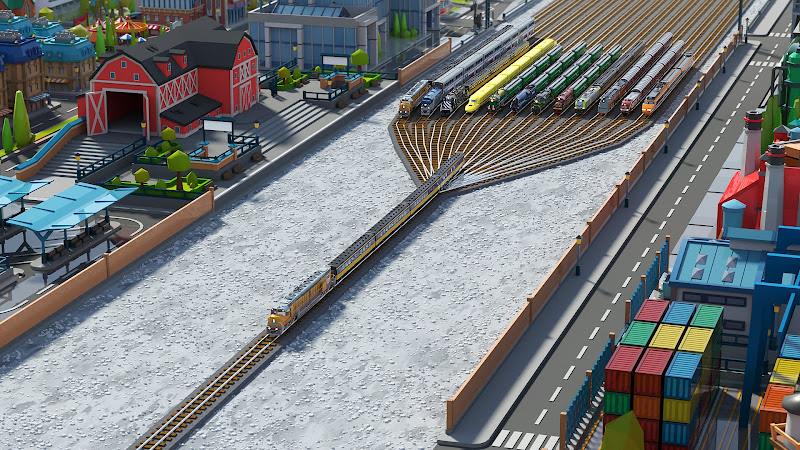
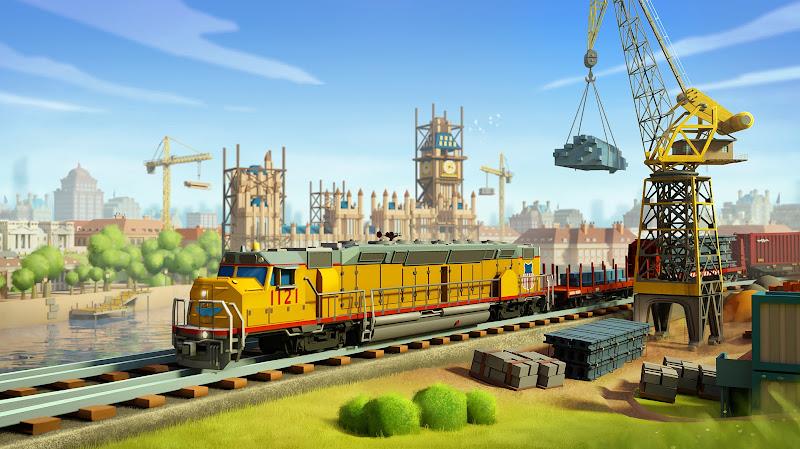
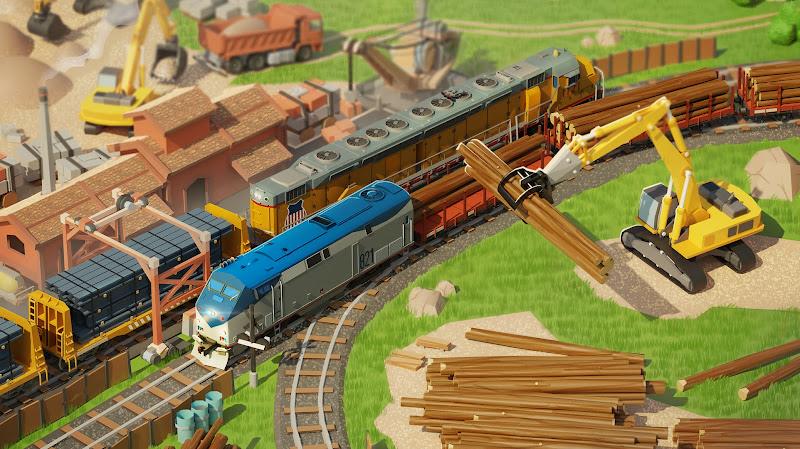
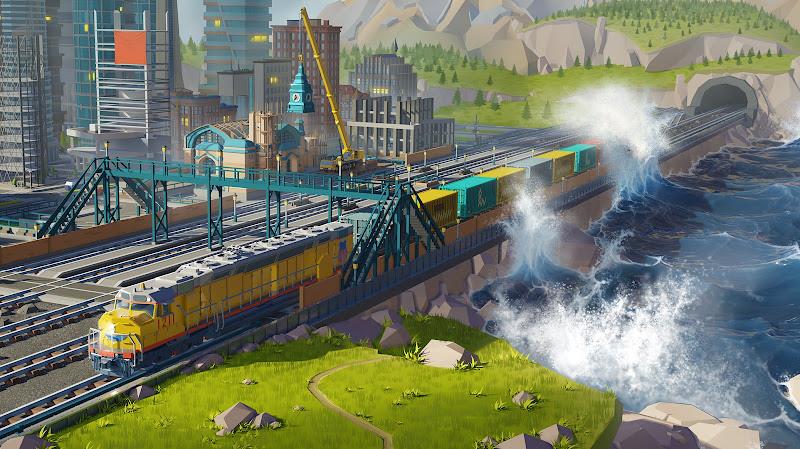
Train Station 2 places you in charge of a growing rail network where careful planning, realistic vehicle handling and resource management determine success. In this management simulator you develop stations, assemble a fleet of international locomotives and fulfill cargo contracts across varied routes. The presentation balances clear, accessible controls with deeper operational mechanics so both strategic and casual players can enjoy building an efficient railway operation in Train Station 2.
The core gameplay centers on route planning, contract selection and timing. Players accept contracts that specify goods, destinations and deadlines, then assign appropriate trains and wagons to each job. Timetables matter: departures, transfers and platform allocation affect turnaround times and revenue. Freight types behave differently — perishable loads require faster routing while heavy cargo needs more powerful locomotives — and those distinctions create meaningful choices when optimizing schedules and equipment. Resource constraints like fuel and maintenance add another layer to long-term planning.
Controls are tailored for touch screens with simple tap-to-select and drag-to-route gestures for track assignments and train movements. The interface presents key data — delivery windows, contract rewards and vehicle stats — without overwhelming the screen, and contextual tooltips help when new mechanics appear. A progressive tutorial guides new players through basic scheduling and upgrading, while accessibility options such as adjustable text size and contrast help readability. Many actions are handled with a few intuitive gestures, so managing multiple stations remains manageable on phones and tablets.
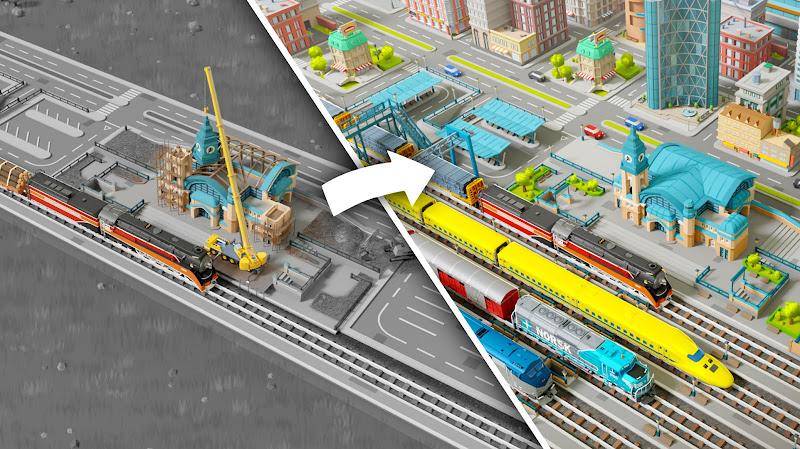
Progression in Train Station 2 follows a steady loop of earning from contracts, reinvesting in upgrades and unlocking new service areas. Stations and rolling stock have upgrade paths that increase capacity, speed and reliability; choosing which upgrades to prioritize is an important strategic choice. Contract difficulty scales with your network’s reach and reputation, unlocking higher-paying but more demanding assignments over time. The economy encourages balancing short-term gains against long-term growth, and occasional bottlenecks require players to rethink routing or save toward more capable equipment.
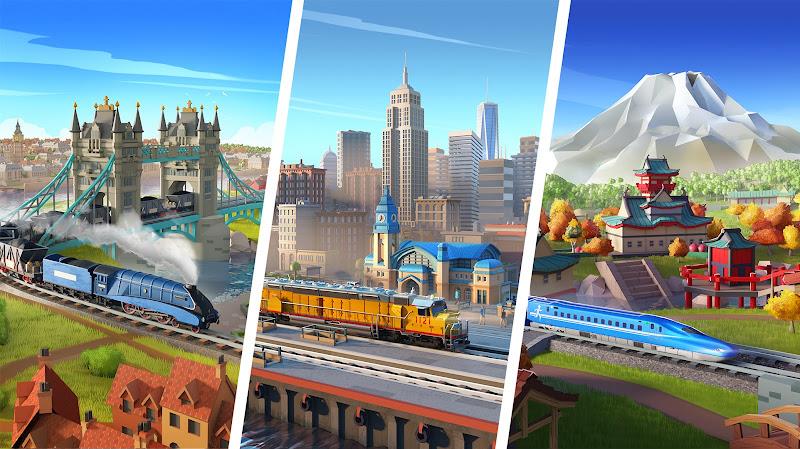
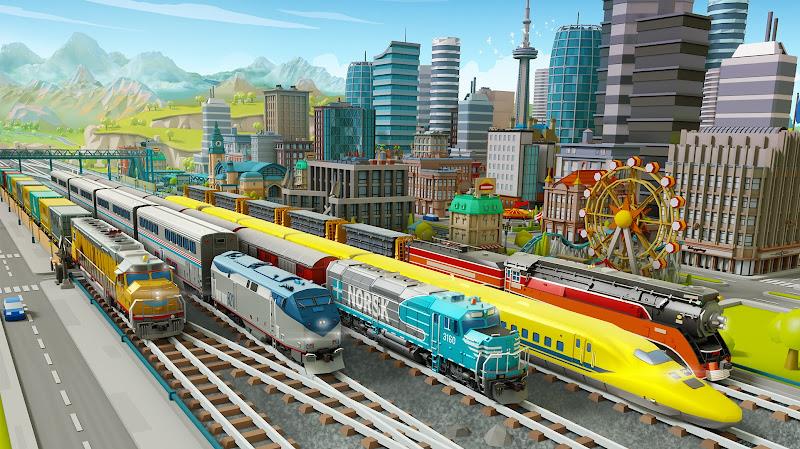
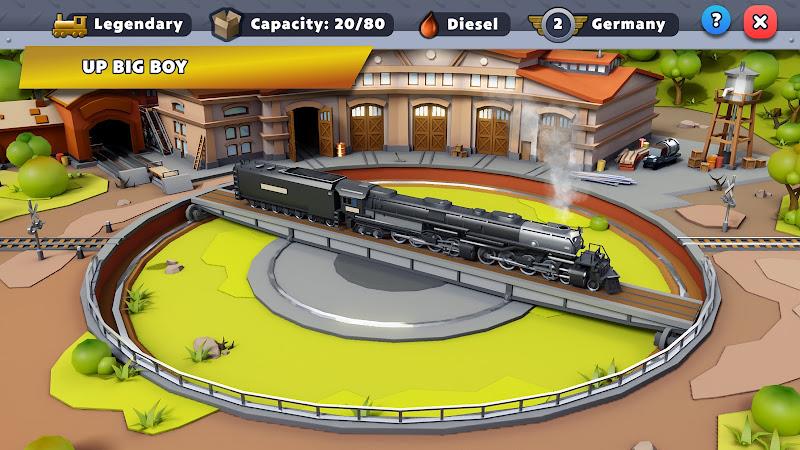
The game emphasizes a diverse collection of locomotives and wagons inspired by real-world models, along with cosmetic liveries and minor visual customization. Models are presented with clean, detailed visuals that favor clarity during busy operations; environments show different international backdrops and seasons to keep routes visually distinct. Customization options let you personalize your fleet’s appearance and organize collections, while clear visual indicators communicate vehicle condition, cargo type and platform usage at a glance.
Train Station 2 is structured around hubs and levels that open progressively as you expand your network. Time-limited events and special contracts introduce focused challenges that reward efficient planning and timely deliveries without requiring unsupported online systems. These events vary in goals—speed runs, high-volume transports or route-specific tasks—and provide optional objectives that change the usual pacing. The challenge system is designed to be approachable for newcomers while offering deeper optimization opportunities for dedicated players.
Social elements center on trading and cooperative interaction that complement single-player progression. Players can exchange resources or trade items to help each other overcome specific upgrade costs, and cooperative mechanics allow coordination on event tasks when available. These features are designed to enhance replayability and community interaction without relying on competitive ranking systems, keeping the focus on collaborative growth and shared objectives.
Replay value comes from multiple viable strategies: focusing on high-value express freight, building broad regional coverage, or specializing in certain cargo types. Event rotations, the pursuit of rare locomotives and changing contract mixes encourage returning to earlier routes with new tactics. The user experience emphasizes smooth performance across devices and predictable progress so sessions can be short and productive or extended and strategic depending on player preference.
Design considerations include accessibility settings for text and color contrast and streamlined controls for one-handed play. Basic play is available offline for many core management tasks, allowing you to continue building and planning without constant connectivity; some social features and live events will require an internet connection. Train Station 2 is optimized to run on a wide range of Android devices, balancing visual detail with performance to avoid excessive battery drain on mobile hardware.
Ongoing updates refine balance, add visual polish and rotate event content to keep long-term progression fresh. Community feedback often guides small tweaks to contracts and upgrade costs, helping developers tune the experience for different play styles. If you enjoy methodical planning, vehicle collecting and steady progression, Train Station 2 offers a layered management simulation with clear goals and room to experiment across dozens of routes and locomotives.