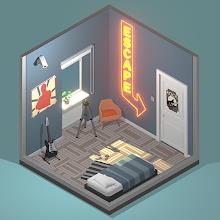
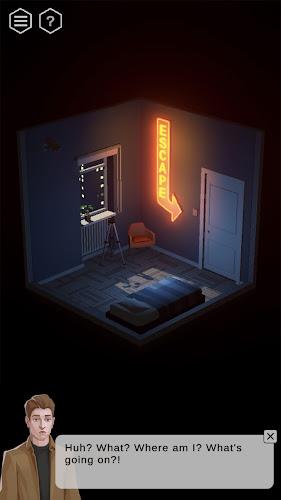
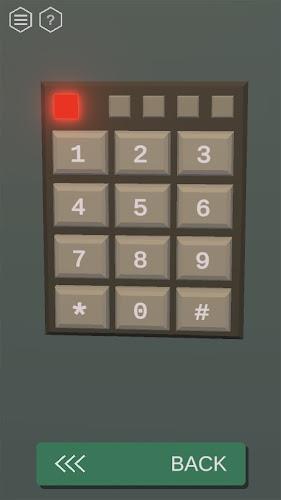

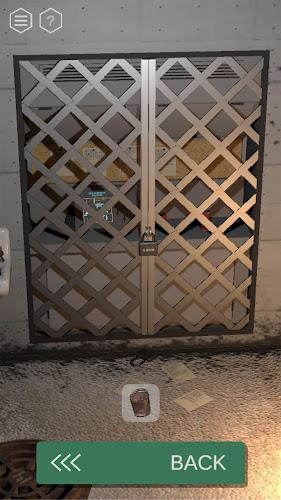
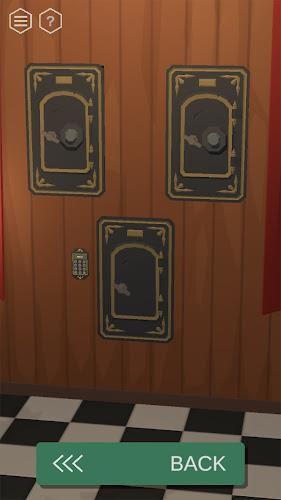
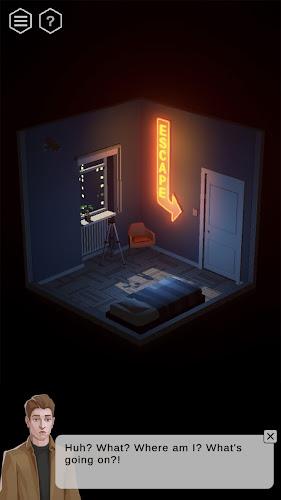
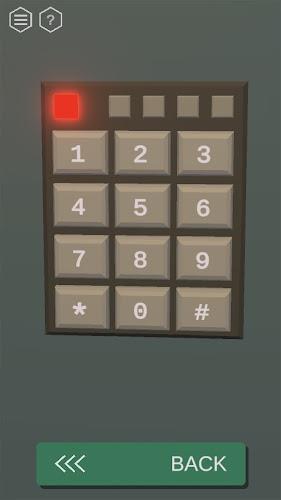

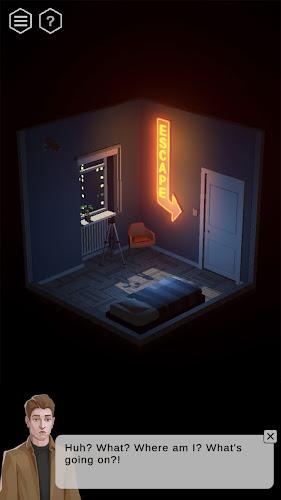
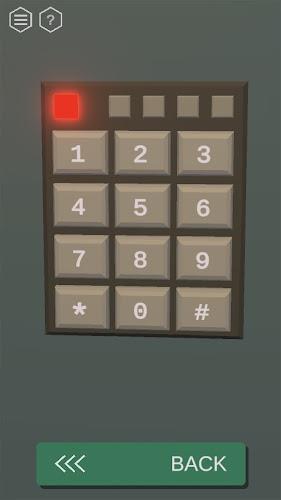
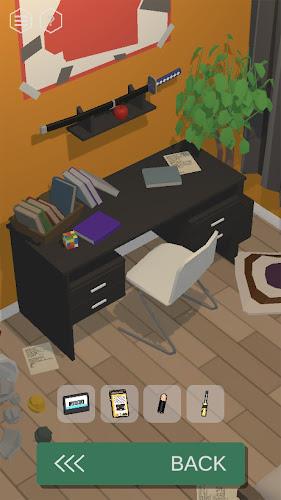

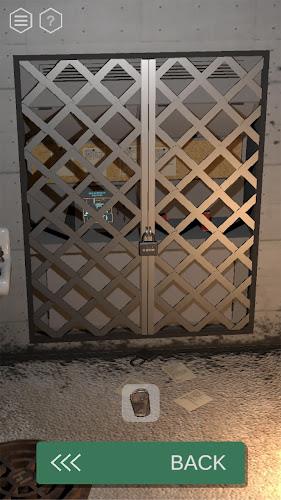
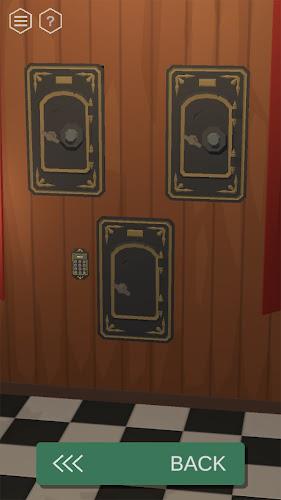
50 Tiny Room Escape is a compact puzzle-adventure that places you inside a sequence of 50 locked diorama rooms where logic, close observation and systematic experimentation are the only way forward. The first moments of play introduce the core point-and-click interaction: rotate each fully 3D isometric scene to reveal concealed objects, examine items from multiple angles and combine clues to unlock code panels and solve layered riddles. Presented as a free-to-play experience with no in-app purchases, 50 Tiny Room Escape emphasizes deliberate, thoughtful progression and an atmospheric tone that suits players who enjoy low-pressure puzzle design.
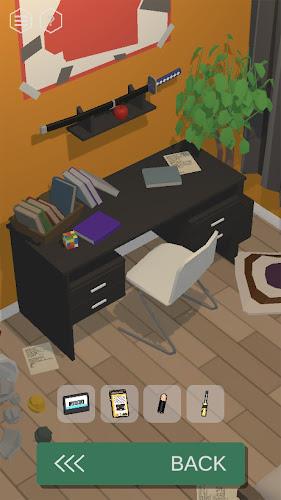
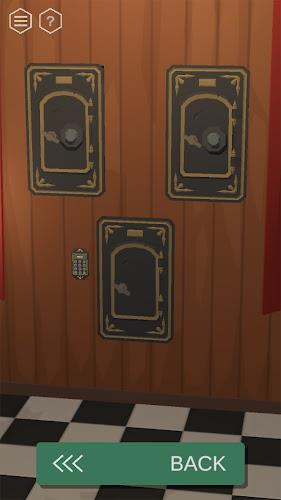
The control model in 50 Tiny Room Escape is intentionally simple to keep attention on puzzles rather than on learning gestures. Tap to inspect, drag to rotate the diorama view and pinch to zoom when you need a closer look at a suspicious object. Interactions are context-sensitive: objects that can be picked up or combined highlight subtly when inspected, and the inventory holds items you collect for later use. The game encourages methodical play—if a clue seems irrelevant at first, revisiting earlier rooms with a new item or perspective can suddenly make a solution clear. Touch feedback and unobtrusive animation help communicate what is interactive without interrupting the atmosphere.
Progress through 50 Tiny Room Escape is structured as a string of self-contained challenges that link together through a slow-building narrative about five characters. Difficulty generally ramps across the set of rooms, mixing quick observation-based puzzles with multi-step code locks and item-based solutions that require combining clues from different locations. There is no artificial gating by timers or energy systems; the game allows you to pause and return at your pace. Each room is designed to be solvable using clues within that room or, occasionally, by piecing together narrative hints from earlier levels, so the sense of progression comes from both puzzle solving and gradual story reveals.
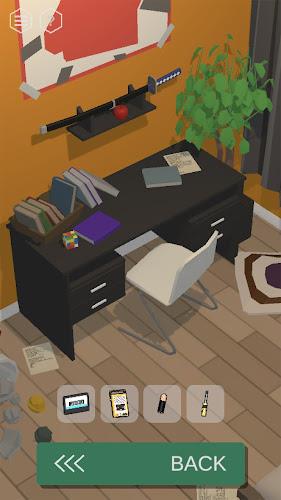
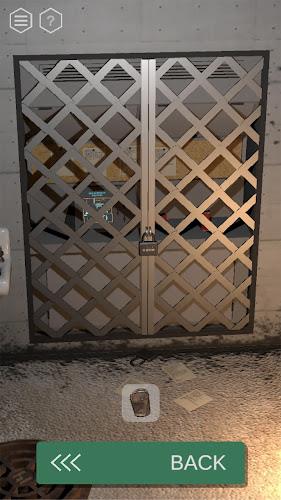
The visual approach is isometric and diorama-like, meaning each room is presented as a miniature scene you can rotate and inspect from fixed camera angles. This compact styling focuses detail into a small space so designers can pack subtle clues and mechanical puzzles into every corner. Environments vary widely—from tidy study rooms and workshop spaces to outdoor courtyards and confined utility areas—each with its own set of props and interactive bits. Lighting and sound cues are used sparingly to enhance mood and to draw attention to important areas without resorting to obvious highlights, supporting a feeling of discovery rather than spoon-feeding solutions.
50 Tiny Room Escape aims to be approachable for a broad range of players. Controls are responsive and easy to remap through basic sensitivity options, and common interface elements like the inventory and clue overlays remain readable at different zoom levels. For players who prefer hints, modest hint systems or progressive nudges are available in many similar titles; this game keeps the environment uncluttered so that optional help can be implemented without changing core puzzles. Audio and visual contrast are calibrated to reduce eye strain during longer sessions, and the absence of timers makes the experience more accessible to players who prefer to think through problems calmly.
Replayability comes from puzzle variety, careful observation and the pleasure of finding alternative solutions or missed secrets. Since each room is relatively short but dense with detail, returning to earlier levels after learning a mechanic in a later room can be satisfying. The app is designed to run offline, so you can play without an internet connection and keep progress stored locally. Because there are no purchases or online elements, the experience remains consistent and private across sessions.
Some rooms in 50 Tiny Room Escape intentionally present tougher, multi-step challenges that may stall casual players; these moments are balanced by more approachable puzzles that reward experimentation. If you enjoy methodical exploration, inventory-based problem solving and atmospheric presentation, the title offers a steady sequence of puzzles with a connected story thread that gradually ties the standalone rooms together. The result is a polished single-player puzzle collection that favors curiosity and observation over reflexes, suitable for short bursts of play or longer, focused sessions.