


Two Sides of the Same Coin invites players into a character-driven narrative where joy and sorrow coexist within the same city streets and private moments, offering a measured, mature storytelling experience that emphasizes empathy, recovery and small acts of resilience. In Two Sides of the Same Coin the focus is on atmosphere and choice: short scenes, intimate encounters and reflective dialogue encourage players to consider how support networks and personal decisions shape each character's path. This introduction outlines the core gameplay, progression and accessibility features so you know what to expect before downloading.
Gameplay in Two Sides of the Same Coin centers on branching narrative choices and scene exploration rather than action or complex simulations. Players navigate through a series of chapters and vignettes, selecting dialogue options, making decisions that alter interpersonal relationships and choosing how to spend limited moments of in-game time. These mechanics emphasize consequence and emotional nuance: even small choices can unlock different scenes or affect how characters respond later in the story. Interaction is primarily touch-driven with clear prompts and contextual choices that keep the pace contemplative and deliberate.
The controls are intentionally simple to preserve immersion: tap to select dialogue or examine an object, swipe to move between connected scenes, and use on-screen buttons to access the chapter map and settings. Menus are streamlined so players can focus on narrative beats without navigating complicated systems. Hints and short contextual descriptions appear when you pause on interactive elements, and a brief tutorial at the start demonstrates the basic controls without interrupting the opening scenes.
The narrative progresses through clearly defined chapters that group related scenes and encounters. As you advance, previously visited locations may present new dialogue options or alternative moments that reflect earlier choices, providing a sense of growth and consequence. Rather than traditional leveling or resource systems, progression is measured by unlocked scenes and story paths: completing certain choices opens alternate chapters, encouraging players to revisit the story from different perspectives. Save points are scene-based so you can return to important decisions without replaying large segments.
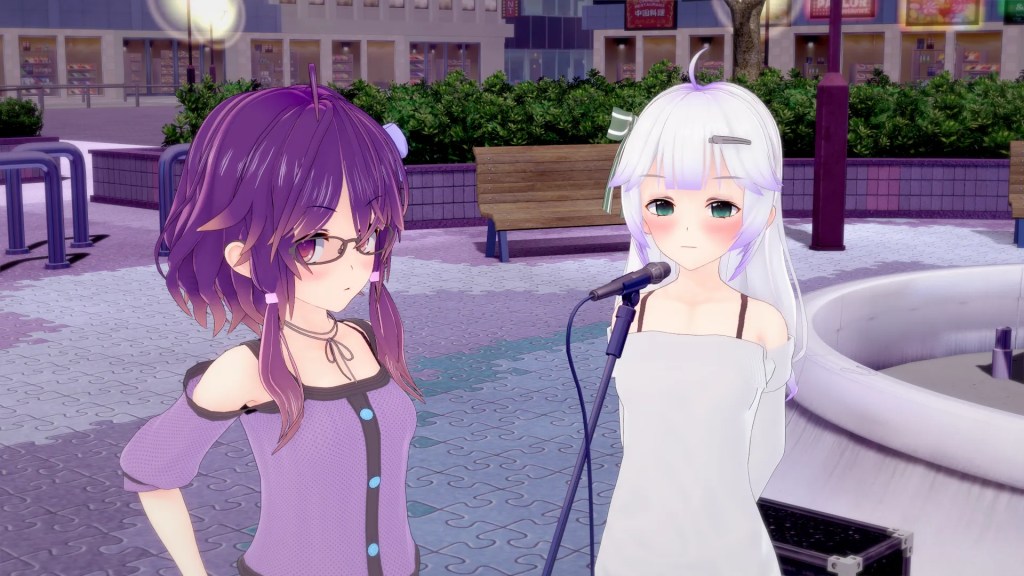
Visually the game leans on moody, painterly art direction and carefully composed scenes that underline the emotional tone of each encounter. Lighting, soundscapes and subtle camera framing work together to contrast moments of quiet consolation with scenes of tension or grief. Characters are drawn with attention to expression and posture, helping convey unspoken feelings and making conversations feel intimate. The art approach supports the writing, creating an experience that reads and feels cinematic while remaining accessible on mobile devices.
Levels are organized as connected vignettes rather than large open worlds: each scene is focused and self-contained, with a clear beginning and end that contribute to the chapter arc. Locations range from cramped apartments to busy streets and small community spaces, each designed to reflect the emotional context of the scene. Optional side vignettes offer extra background on supporting characters and can be discovered through specific choices, which adds layers to the narrative and encourages exploration of different routes.
Customization in Two Sides of the Same Coin is expressed through narrative agency rather than cosmetic systems. Players shape relationships, tone of interactions and the emotional trajectory of characters through their choices. This emphasis on decision-driven personalization makes each playthrough feel tailored to your responses, allowing you to craft distinct character arcs and uncover different resolutions without needing inventory menus or complex customization screens.
Replay value comes from branching paths and multiple story outcomes: several chapters contain alternative scenes that become available only when previous choices meet certain conditions, and different combinations of decisions lead to varied emotional resolutions. Players who wish to explore every thread can replay chapters from scene-based save points to experience alternate perspectives and endings, making the game suitable for reflective, repeat play.
The interface is designed for clarity with adjustable text size, readable fonts and an option to enable subtitles for all dialogue and scene descriptions. Pacing controls allow longer reading times on choices for players who prefer a slower experience, and a skip mode helps return to key moments quickly during replays. The design aims to reduce cognitive load while preserving the narrative's emotional weight, making the game approachable for a wide audience.
Two Sides of the Same Coin is built for offline play so you can experience the narrative without a constant internet connection; progress and saved scenes are stored locally on the device. The primary challenge system is emotional and situational: players face moral dilemmas, interpersonal conflicts and decisions about support and recovery rather than timed reflex tests. These challenges are intended to provoke thought and empathy, and the game provides breathing space between intense scenes so players can reflect on the consequences of their choices.
The current release, v0.2.3.5, continues to expand character content and refine pacing, with updates focused on additional scenes, improved accessibility settings and minor visual polish. Developer notes indicate the game will evolve through narrative patches and scene expansions rather than feature-heavy updates, so players can expect deeper character work and more branching moments over time. Two Sides of the Same Coin remains a story-first experience designed for players who value thoughtful, emotionally resonant gameplay.