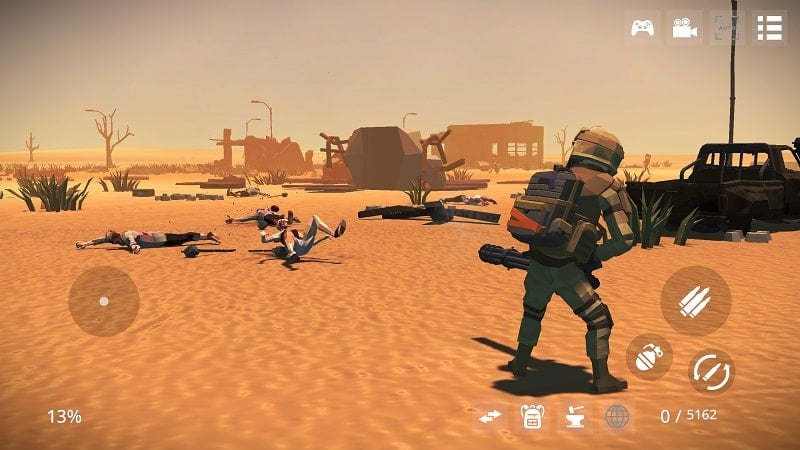
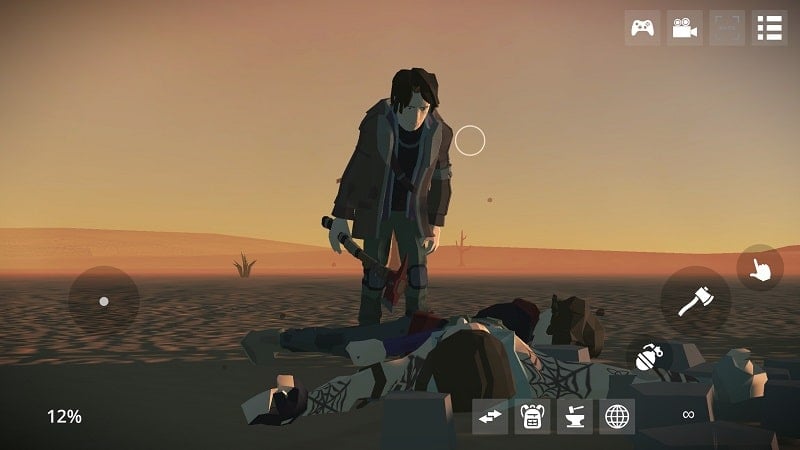
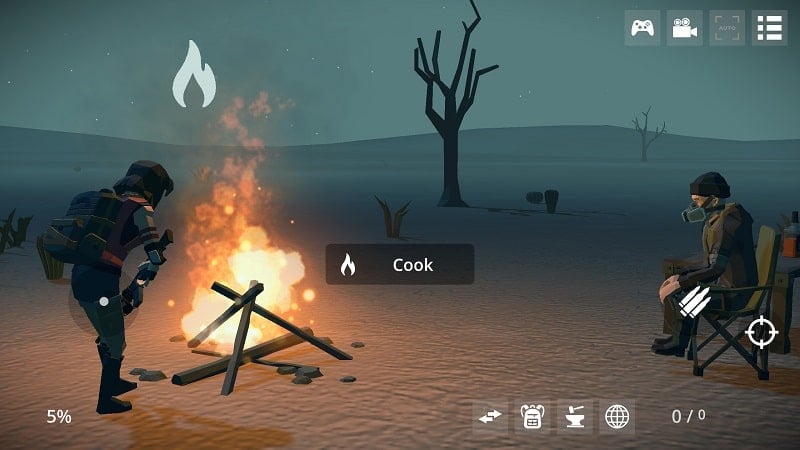
Dead Wasteland: Survival 3D drops you into a ruined, post‑apocalyptic world where every choice, scrap of gear, and tactical movement affects how long you last. This mobile 3D survival action game mixes close-quarters encounters with scavenging and careful inventory management, and it places an emphasis on emergent scenarios driven by randomized loot and changing objectives to keep each run fresh.
The core loop revolves around exploration, combat, and making do with what you find. Dead Wasteland: Survival 3D offers a varied arsenal from improvised melee tools to heavier firearms, alongside an armor system that models protection and limited durability. Randomized item placement and shifting mission goals encourage adaptive play: a routine supply run can turn into a rescue mission that forces you into high-risk zones in search of survivors and critical materials.
Gameplay focuses on meaningful decisions rather than button-mashing. Enemy encounters reward positioning, timing, and weapon selection; some foes are best approached stealthily while others require controlled bursts of fire or careful use of cover. The game introduces environmental interactions—locking doors, barricades, and choke points—that let you shape engagements. Resource scarcity is intentional: scavenging for repair parts, ammunition, and medical supplies is central to the progression loop and shapes long-term choices.
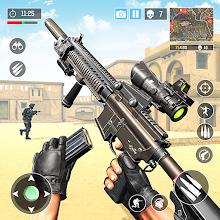
Controls are tuned for touchscreens with a virtual joystick for movement and a separate aim control plus context-sensitive actions. An optional aim assist and multiple sensitivity settings let you tailor responsiveness, and visual feedback highlights interactable objects for faster decision-making. The interface balances accessibility with depth so new players can learn quickly while experienced players can tweak controls to refine advanced techniques like strafing, quick weapon swaps, and environmental usage.
Progression is tied directly to scavenging and equipment upkeep. Parts and materials salvaged during runs allow you to repair and modestly upgrade weapons and armor, extending their usefulness across multiple sorties. Loadouts are intentionally simple but meaningful: heavier armor increases survivability at the cost of mobility, while lighter kits favor stealth and speed. The upgrade paths focus on incremental improvements rather than complex trees, rewarding exploration and smart resource management without relying on constant purchases.
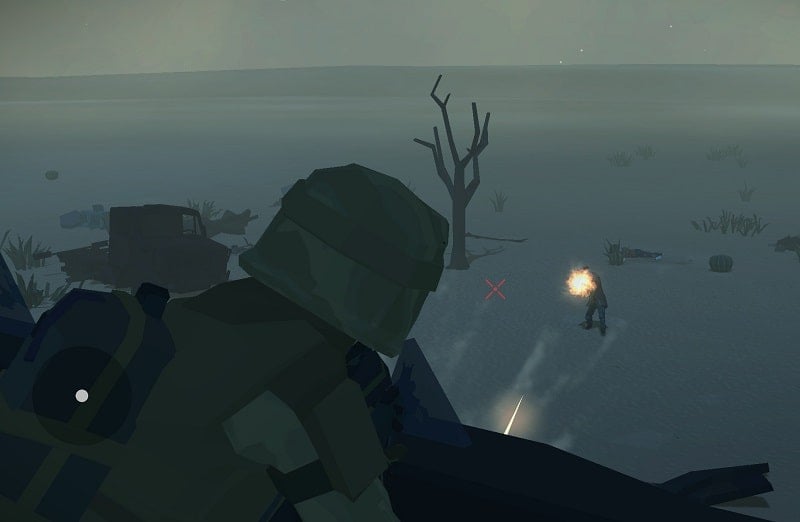
The game presents a gritty, atmospheric 3D world with attention to environmental detail—collapsed buildings, overgrown streets, and makeshift camps tell a story without heavy exposition. Levels combine handcrafted points of interest with procedurally varied spawn locations so familiar areas still feel different on subsequent visits. Lighting and ambient audio contribute to tension in interior spaces while open ruins provide opportunities for long-range encounters and tactical repositioning.
Weapon attachments and simple tuning options let you adapt firearms for accuracy, rate of fire, or stealth. Armor categories influence how you approach combat and traversal, and consumables such as medkits and temporary buffs can shift the outcome of tight encounters. Inventory decisions matter: limited carrying capacity forces you to prioritize complementary items and plan each sortie rather than hoard everything you find.
Replayability comes from randomized loot, changing enemy waves, and mission permutations that keep each run unpredictable. Adjustable difficulty settings allow players to scale challenges to their comfort level, and occasional surge events or larger waves create high-pressure situations that test resource allocation and tactical choices. These systems encourage learning through repeated play and experimenting with different approaches and equipment.
The interface aims to be approachable while offering depth for veterans: an optional tutorial introduces basic mechanics, clear tooltips explain equipment and interactions, and configurable controls support different play styles. Subtitles, adjustable audio levels, and performance options help make the game more accessible across devices and hearing or vision preferences. The developer provides recommended settings so players can find a balance between visual fidelity and battery life.
Designed for solo play, Dead Wasteland: Survival 3D works offline so you can practice tactics and explore without a persistent internet connection. Regular updates focus on stability and new content, and compatibility notes help you choose settings that maintain smooth performance on a range of devices. The single‑player focus keeps progression self-contained and reduces dependence on online services.
On early runs prioritize a reliable weapon and basic repair parts over rare loot, and keep an eye on armor durability to avoid being caught with failing gear. Use the environment to funnel enemies or create chokepoints, and swap loadouts to match the mission type—stealth for scouting, heavy loadouts for rescue runs. Treat each failed attempt as a learning opportunity: the randomized structure means adapting your strategy is as important as upgrading equipment.