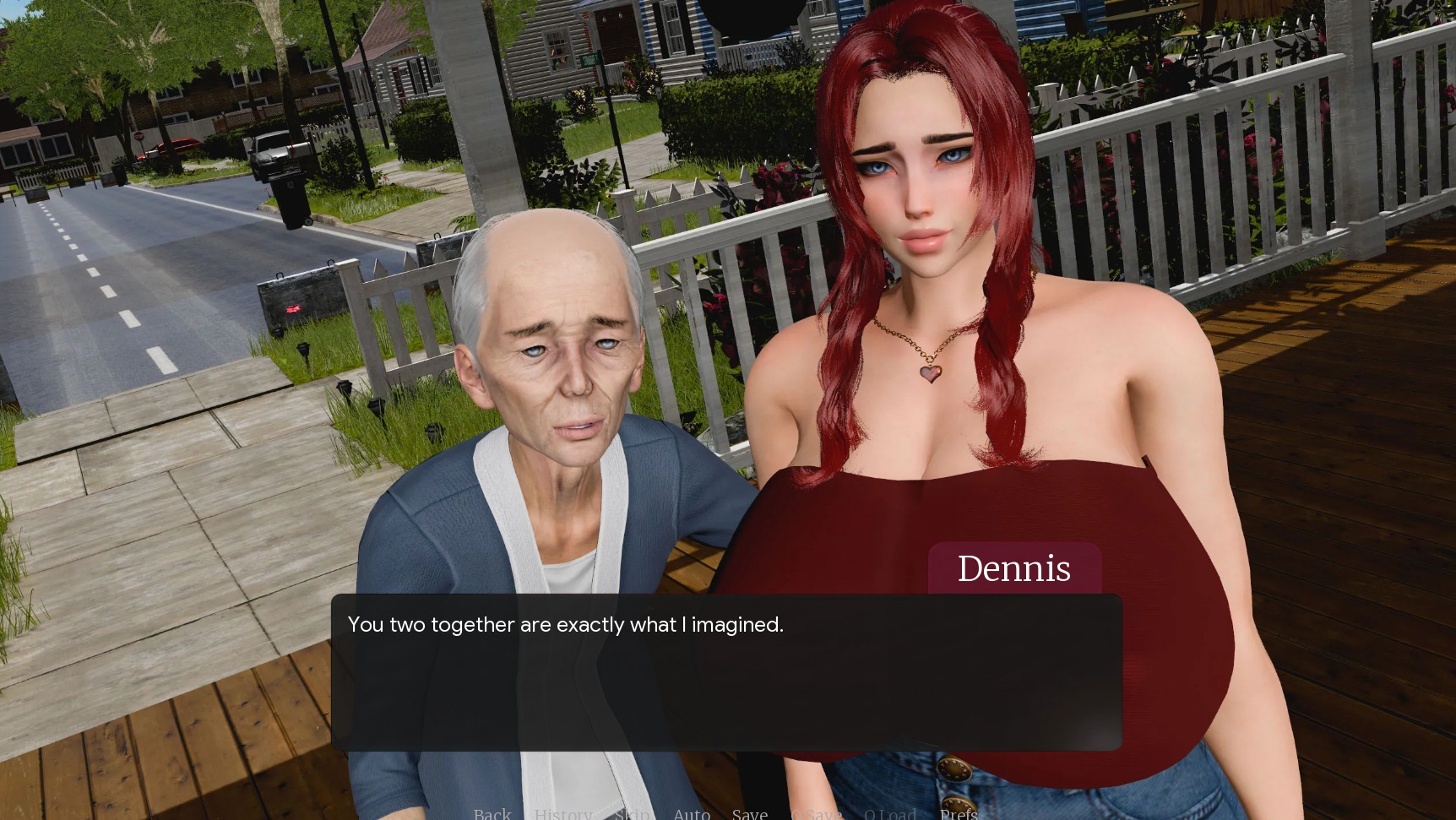






Emily Does it All is a college slice-of-life narrative game that places you in control of Emily’s social and romantic choices across episodic chapters. The game centers on dialogue-driven scenes where your decisions influence relationships with characters such as Nick, Claire, and Luke while Emily explores her identity and friendships on campus. The writing emphasizes character interaction, emotional beats, and branching consequences, making this title well suited to players who enjoy story-led gameplay rather than reflex-based action.
Emily Does it All presents a serialized story release so each chapter feels like a short, focused episode that can be played in one sitting. Branching dialogue creates multiple relationship paths: friends-with-benefits dynamics, close friendships, and potential romantic directions react to your choices and build over time. Character-driven scenes use expressive portraits and contextual dialogue to convey emotions and social dynamics, and the overall design prioritizes decisions and consequences over complex mechanics. Lightweight controls and an accessible user interface make it easy to jump into a chapter and pick up where you left off.
Gameplay is built around tap-to-choose interactions: read the scene text, review character responses, and tap the dialogue option that fits the path you want to pursue. Menus are streamlined for touch devices, with clear buttons for saving, loading, and returning to the chapter selection screen. A skip/read feature helps players move quickly through already-seen text, and the game supports multiple save slots so you can experiment with different choices without losing progress. The focus is on pacing and narrative control rather than timing-based inputs.
The narrative is structured into episodes composed of individual scenes that unlock sequentially as you complete chapters. Choices create flags and relationship values that influence which scenes become available later, so early decisions can open or close future story opportunities. Progression is therefore non-linear in outcomes: you can replay episodes to explore alternative branches, and important turning points are clearly signposted so players understand when a decision will have longer-term effects. There is no level grinding; progression is narrative-driven and centered on discovery and consequence.
The game uses clean 2D illustrations and expressive character portraits to support dialogue and tone. Backgrounds depict campus locations and common social spaces to ground scenes in a recognizable college setting. Text is presented in a readable UI with adjustable text speed, and ambient soundscapes and subtle effects accompany scenes to enhance atmosphere without distracting from the writing. The visual presentation favors clarity and emotional expression over flashy animation, keeping the emphasis on character interaction.
Rather than extensive avatar customization, the game provides practical personalization and accessibility options that improve playability for a wide audience: adjustable text size and speed, subtitle toggles, color-contrast settings, and scalable touch targets for dialogue choices. Control and display settings let players tailor reading pace and interface clarity. Multiple save slots and a clear chapter selector allow for easy experimentation with different narrative approaches without losing prior progress.
Replayability derives from branching paths and relationship outcomes: choices lead to divergent scenes and different resolutions for Emily’s arcs. The challenge is narrative and moral rather than mechanical — balancing relationships, managing social consequences, and deciding when to prioritize growth versus comfort create meaningful trade-offs. Because the game emphasizes character development, players who enjoy exploring alternate dialogues and endings will find value in replaying chapters to see how small decisions ripple through later episodes.
Designed for short sessions as well as longer reads, the episodic format suits mobile play and allows you to return between chapters without losing context. Emily Does it All can be played offline after installation, so you can continue through downloaded chapters without an active connection; periodic updates and new chapters may require a network connection to download. The interface is intentionally simple and focused to reduce friction when switching devices or resuming play.
The game contains mature themes and exploration of sexuality framed through relationship and personal discovery; it is not intended for younger audiences. Players seeking fast-paced action or complex mechanical depth may find the focus on narrative and choices limiting. Additionally, the episodic delivery means new content arrives over time rather than in one complete package, which some players may prefer to keep in mind when starting the story.
Overall, Emily Does it All offers a character-centered college narrative where decision-making and dialogue create a branching, emotionally focused experience. The combination of episodic structure, accessible controls, and multiple relationship paths makes it appealing to readers who enjoy thoughtful, choice-driven stories with strong emphasis on personal growth and social dynamics.