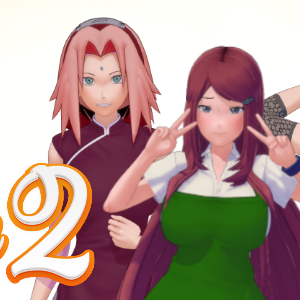


My Only Daughter (Mi Unica Hija) invites players into a quiet, emotionally driven interactive novel where you return from years away and are offered a single meeting with the daughter you have not seen since before your sentence. The opening scene — a phone call from the mother saying the daughter is ready — sets the tone for a narrative that explores awkward reconnection, fragile trust, and the slow rebuilding of family ties. My Only Daughter (Mi Unica Hija) centers on dialogue choices and character moments rather than action, offering a reflective experience that puts the consequences of each decision at the forefront.
This title presents a branching narrative with a clear focus on reunion and relationship-building. Decisions you make during conversations shape the father-daughter dynamic, unlocking different scenes and emotional beats as the story progresses. The pacing is deliberate: short chapters and vignette-style encounters let you concentrate on the emotional substance of each interaction. Multiple endings reflect cumulative choices over time, encouraging replays to see how small shifts in tone or honesty change outcomes. The game is designed for single-player, offline play so you can progress at your own pace without network requirements.
Gameplay is driven by dialogue selection and scene choices presented in a straightforward touch interface. Tapping advances text, swiping between major scenes is optional where available, and dialogue options are displayed with clear contextual cues so you can weigh the tone and possible consequences of each reply. There are no complex mechanics: this is a reading-first experience that rewards attention to character reactions and the timing of your responses. A built-in journal or scene log helps you review past interactions and understand how earlier choices influence later conversations.
Progress through the story in discrete chapters that correspond to different meetings and memory sequences. Each chapter contributes to relationship metrics—trust, openness, and resentment—which are presented subtly within the user interface rather than as intrusive meters. These metrics influence which dialogue options are available and determine which narrative branches you can access. Save slots and automatic checkpoints let you experiment with different approaches without losing progress, and branching checkpoints make it easy to return to earlier choices for alternate paths.
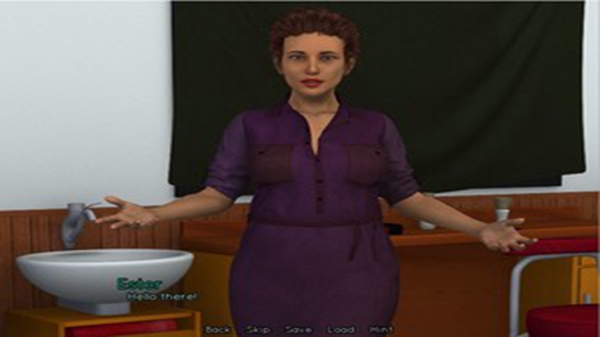
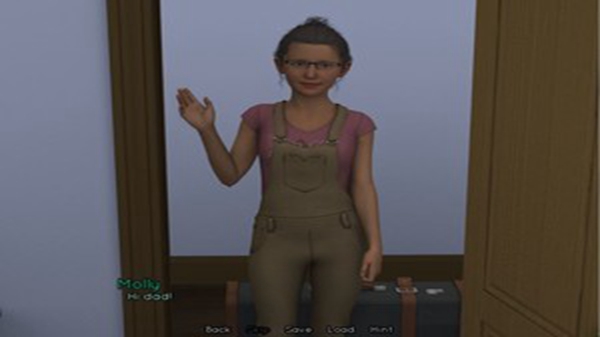
The visual presentation focuses on character portraits, expressive face art, and atmospheric backgrounds that anchor each scene. The art style is intimate and restrained, favoring close-up illustrations and mood lighting to reinforce emotional beats. Sound design uses minimal ambient tracks and sparse cues to enhance key moments; music supports the tone without overwhelming dialogue. Together, visuals and audio aim to create a sense of presence during conversations rather than spectacle.
Customization in My Only Daughter (Mi Unica Hija) is intentionally modest and story-focused: you can choose conversational tones and certain background details that influence how other characters perceive the protagonist. The interface offers adjustable text size, contrast settings, and subtitle options to suit different reading preferences. Tutorials and tooltips explain the meaning of choice icons and how decisions ripple through the narrative so new players can quickly learn how to play without interrupting immersion.
Because choices lead to different emotional resolutions and unlock alternative scenes, replaying the game reveals new facets of the characters and provides opportunities to explore forgiveness, accountability, or estrangement in varied ways. Accessibility settings include larger fonts, colourblind-friendly palettes, and the option to disable timed responses so players can take as long as needed to consider sensitive choices. Offline play and compact file size make it easy to install and experience the story anywhere without a constant network connection.
Expect moral complexity rather than straightforward puzzles: the primary challenge comes from navigating delicate conversations, managing the consequences of your past actions, and deciding how honest to be in emotionally charged moments. The game does not rely on graphic content; instead, it examines the social and psychological effects of incarceration, separation, and the slow work of rebuilding trust. My Only Daughter (Mi Unica Hija) is best-suited to players who appreciate character-driven storytelling and thoughtful decision-making rather than action-oriented gameplay.