
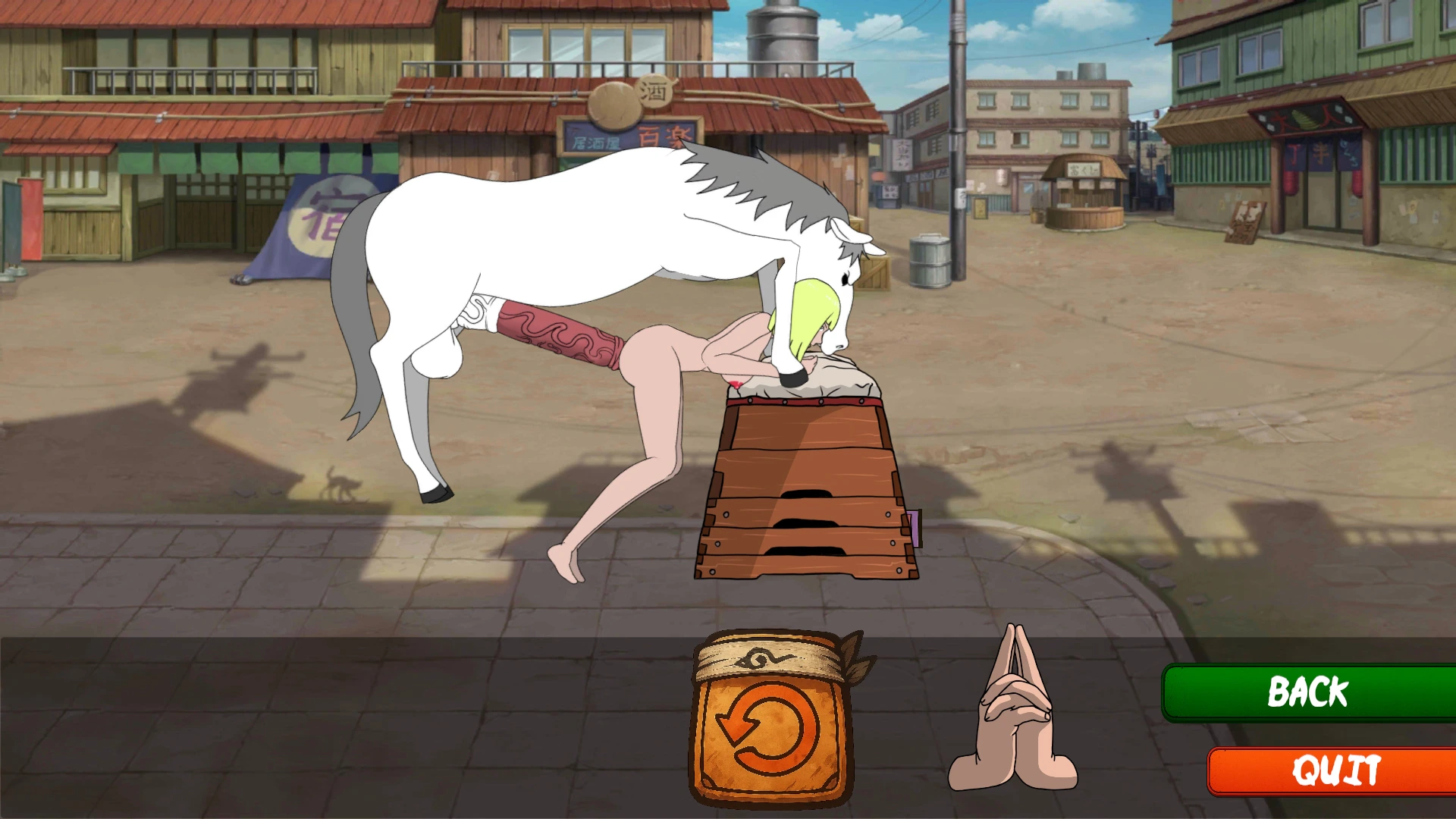



F.O.S is a compact, collectible-focused game from Golden Ouken Games, released as version 3.0 and presented here with an emphasis on narrative-driven mechanics. F.O.S places a curated progression loop and character-centric design at the center of its experience, and the unusual thematic label succjutsu defines the tone rather than explicit content, letting the game explore mature motifs in a stylized, suggestive way suitable for a wide audience. This editor overview highlights what players can expect from the 3.0 build and how the title approaches collectibles, challenge design, and user-friendly systems.
F.O.S is built around a collectible premise that rewards discovery and deliberate collection choices rather than random drops. The game combines short, focused encounters with a running narrative thread so progression feels meaningful without demanding long play sessions. The 3.0 release adds refinement to pacing and balance, and the developer notes indicate attention to cohesion between characters, items, and the story motif called succjutsu. Collectors will find a clear taxonomy for items and characters, with each acquisition offering small mechanical or narrative changes.
Gameplay in this release emphasizes accessible controls and deliberate decision-making. Controls are tailored for touch devices with responsive tap-and-swipe inputs for core actions, and contextual on-screen prompts help guide new players through interaction patterns. Combat and challenge encounters feel streamlined: players manage a small roster of collectible characters, triggering abilities and using positional choices rather than complex button combos. This low-friction approach keeps the focus on collecting and strategy rather than reflex-heavy inputs, making the game suitable for short sessions on mobile devices.
The progression loop centers on collecting and upgrading a compact roster of characters and themed items. Progression is deliberately curated: rather than an open-ended grind, the game uses chapter-based unlocks and milestone rewards that encourage players to refine a preferred team. Customization choices allow players to adjust visual skins, minor stat modifiers, and narrative tags tied to collectibles without introducing complex skill trees. These systems give a sense of steady advancement while preserving the focused design language of the title.
Visually, the game favors a stylized presentation that supports the narrative motif and keeps attention on characters and collectibles. Levels are structured as short themed challenges that revisit core mechanics with increasing variety, each area presenting distinct environmental hazards or objectives that change how players approach collection and encounters. The aesthetic choices support readability on small screens, using clear iconography and contrasting palettes to make progression and item rarity easy to interpret at a glance.
Challenge design in the 3.0 build leans on curated encounters and optional, repeatable scenarios that encourage players to test different roster combinations. Replay value is driven by variant objectives and collectible-driven modifiers: revisiting a level with a different team or aiming for a higher completion target changes the approach and rewards. The game avoids artificial stamina gates by allowing flexible session lengths and meaningful short-form challenges that can be repeated for incremental rewards.
F.O.S puts usability first with adjustable input sensitivity, readable fonts, and color-contrast options that assist players with visual accessibility needs. On-screen tutorials are paced so they do not overwhelm, and optional hints can be toggled on or off for experienced players. The design supports offline play for most single-player content, enabling the core collectible progression and level challenges without a persistent network connection. This makes the game suitable for commuting or situations with limited connectivity.
Golden Ouken Games is credited as the developer, and the version 3.0 notation reflects iterative improvements to balance, UI clarity, and narrative cohesion. Readers should expect continued refinement over time as the developer monitors player feedback and adjusts progression pacing. The description above avoids detailed spoilers and focuses on the systems and experience, allowing potential players to decide whether the title’s niche, character-focused approach aligns with their preferences.