

City of Broken Dreamers places you in a near-future Los Angeles where corporate security and factional politics shape daily life. This single-player narrative experience named City of Broken Dreamers puts you in the role of a Ghost, an off-the-grid investigator pulled back into the city by a single missing person case. The description below explains core systems, controls, progression, visual design and accessibility so you know what to expect before downloading.
The game centers on branching narrative and consequential decision-making rather than arcade action. Story beats react to who you talk to, what evidence you present, and which alliances you nurture or betray. Encounters vary from extended, consequence-driven conversations to tense, tactical moments where choices about gear and approach change outcomes. The factions you meet have distinct goals and limited patience: helping one group can open new resources and close other doors, which encourages deliberate investigation and careful relationship management rather than grinding for power.
City of Broken Dreamers is designed for touchscreens with a focus on contextual taps and swipes. Conversations unfold through choice-driven dialogue trees that emphasize persuasion, deception, or avoidance rather than reflex-based minigames. Investigation sequences let you pan scenes, inspect objects, tag clues and replay evidence to expose contradictions. Tactical sections are abstracted for mobile: movement is handled through simple positioning choices and the use of consumables or tools is managed via an intuitive loadout menu. Pressure is introduced through limited-option sequences that simulate urgency without requiring precise timing.
Progression is narrative-first: advancing the story, resolving cases and building faction reputations unlocks contacts, investigative tools and narrative branches. There are no traditional experience-point grind loops; instead, unlocking new dialogue options, tools or contacts broadens how you can solve problems. Equipment choices and small upgrade paths influence your preferred play style — stealth modifiers, negotiation aids or limited tactical boosts — but upgrades are modest and intended to expand options rather than dominate outcomes. Reputation and resource management remain central: how you spend time, favors and scarce items shapes later opportunities.
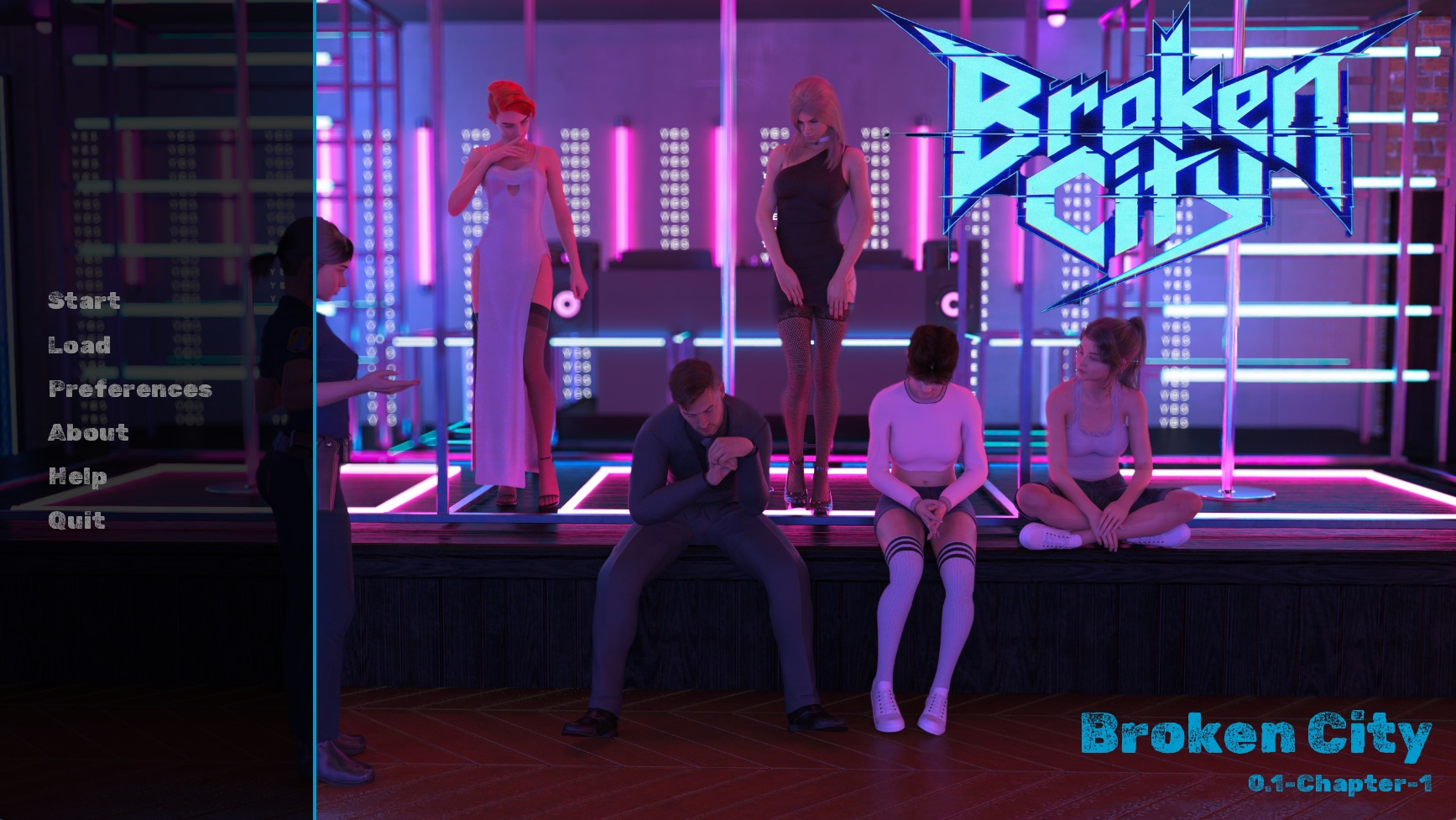
The presentation leans into a gritty, atmospheric cyberpunk aesthetic with neon accents, rain-slicked streets and layered cityscapes that reflect economic divides. Levels are organized as interconnected urban districts that act as hubs for investigation, with smaller, focused mission nodes where specific plot beats are resolved. Interstitial cinematic sequences and in-world terminals supply exposition without breaking immersion, while environmental detail and lighting cues help signal where to look for clues. The visual direction supports mood and moral ambiguity rather than spectacle-heavy set pieces.
Multiple narrative paths and meaningful choices provide high replay value: different decisions unlock alternate missions, shift how allies behave, and change the availability of information on subsequent playthroughs. The challenge comes from limited information, scarce resources and the strategic consequences of social choices rather than demanding reflex tests. Optional side investigations and character-focused scenarios let you explore corners of the city you might miss on a single run, and the game rewards methodical players who piece together subtle clues over time.
The title is built as an offline-capable single-player experience so progress is preserved without persistent online access. The interface includes adjustable text size, subtitle options and control sensitivity settings to match different device sizes and player preferences. Save points and an auto-save system reduce the risk of lost progress, and performance optimizations aim to balance atmospheric visuals with smooth operation on a range of mid-tier devices. The game offers a steady pacing option for players who prefer a more measured investigative experience, with clear UI affordances to help locate important evidence.
City of Broken Dreamers delivers a mature, story-first detective experience grounded in a plausible near-future world. Players who favor layered storytelling, moral ambiguity and careful decision-making will find a thoughtful, slow-burning title that emphasizes investigation, relationships and the consequences of each choice.