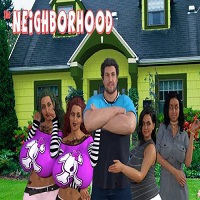
The Neighborhood places you in the life of Kevin Peasey, a married father of three navigating the rhythms of suburban living in a calm, narrative-driven experience. The Neighborhood invites players to follow Kevin between work and home, talk with family members, explore nearby streets and parks, and uncover small discoveries that reveal character and setting rather than rely on action or timed challenges. This introduction outlines what to expect from the game's pacing, mechanics, presentation, and overall experience so you can decide whether it fits your play style.
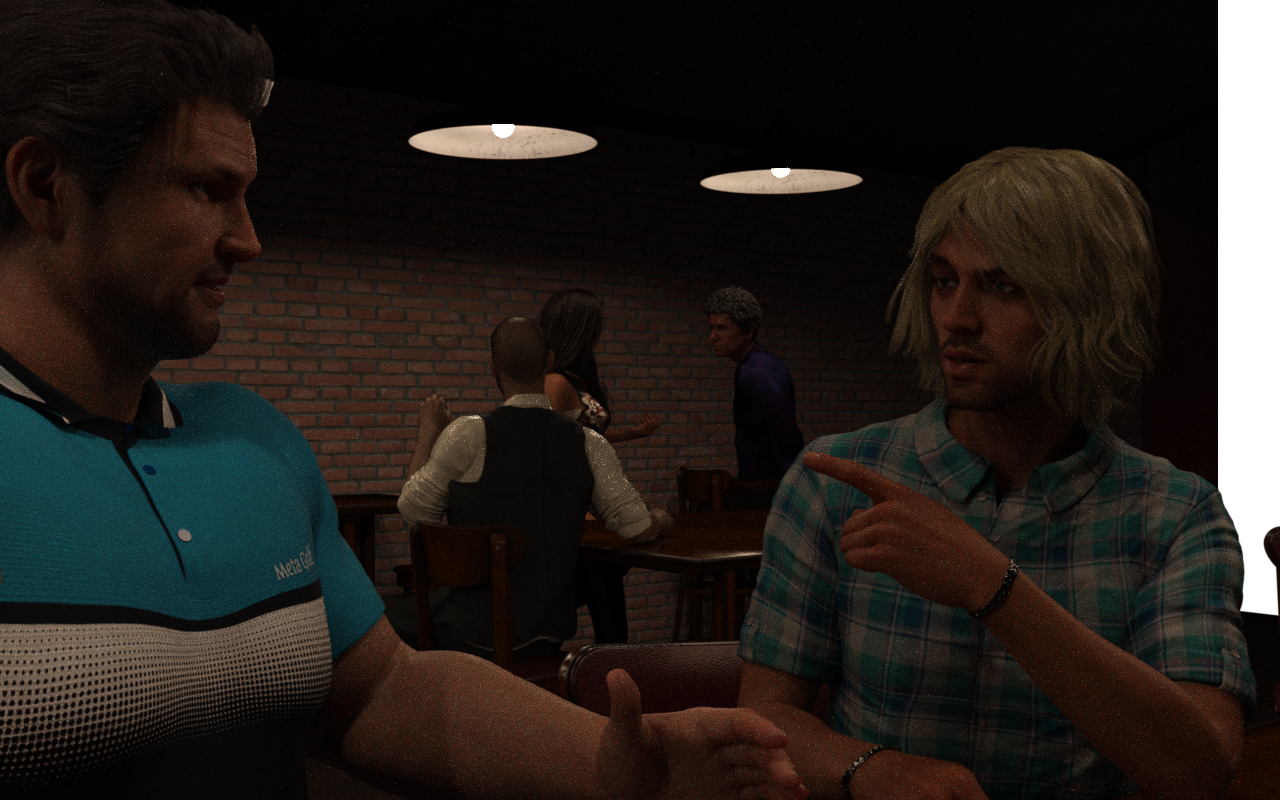
Play unfolds through observational exploration and light interaction. Movement is focused on short scene-to-scene transitions: you guide Kevin to locations, tap objects and people to trigger conversations or short events, and choose when to linger and investigate. Dialogues are used to reveal personality and relationships rather than to create branching, competitive systems; choices can influence short-term responses and unlock a few alternate moments but do not create complex skill trees or combat outcomes. The game rewards curiosity with small discoveries—notes, visual details, and private scenes—that gradually paint a fuller picture of Kevin's daily life.
Controls are optimized for touch devices with simple tap and drag gestures that keep interactions immediate and accessible. Contextual prompts appear in the environment to show what can be examined or talked to, and the interface minimizes clutter so you can focus on the scene. A clear save system allows players to pause and return without losing progress, and short scenes make the game suitable for quick sessions or more prolonged play. There are no complex button combos or fast reflex requirements, which keeps the focus on story and atmosphere.
Progression is driven by a day-by-day structure: as you move through Kevin’s routine, new locations and conversations become available and previously missed moments can be revisited. Rather than a conventional leveling system, advancement comes from unlocking narrative beats and environmental details that alter how subsequent days feel. Replay value stems from returning to earlier neighborhoods to explore different paths, follow conversations you skipped, or hunt for subtle items and scene triggers you may have missed the first time. These small variations encourage multiple short playthroughs to discover all the scene-based content.
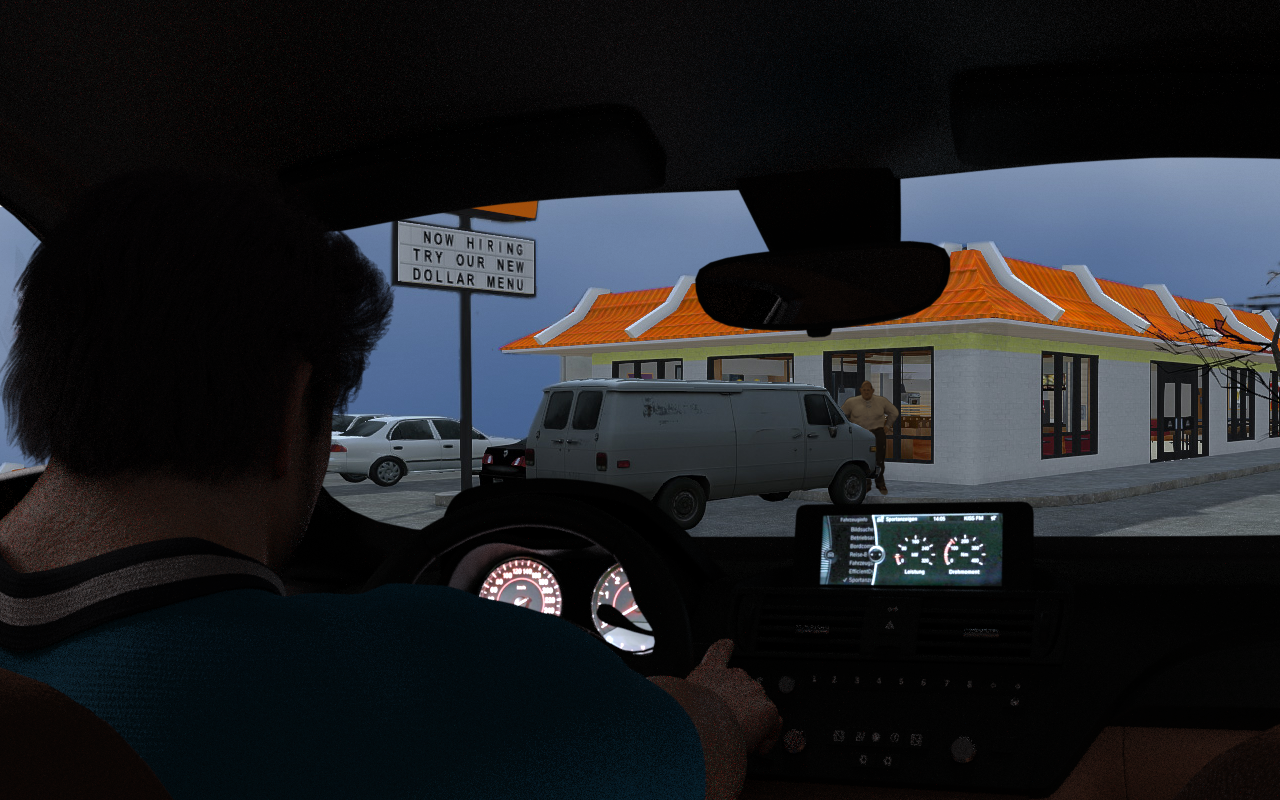
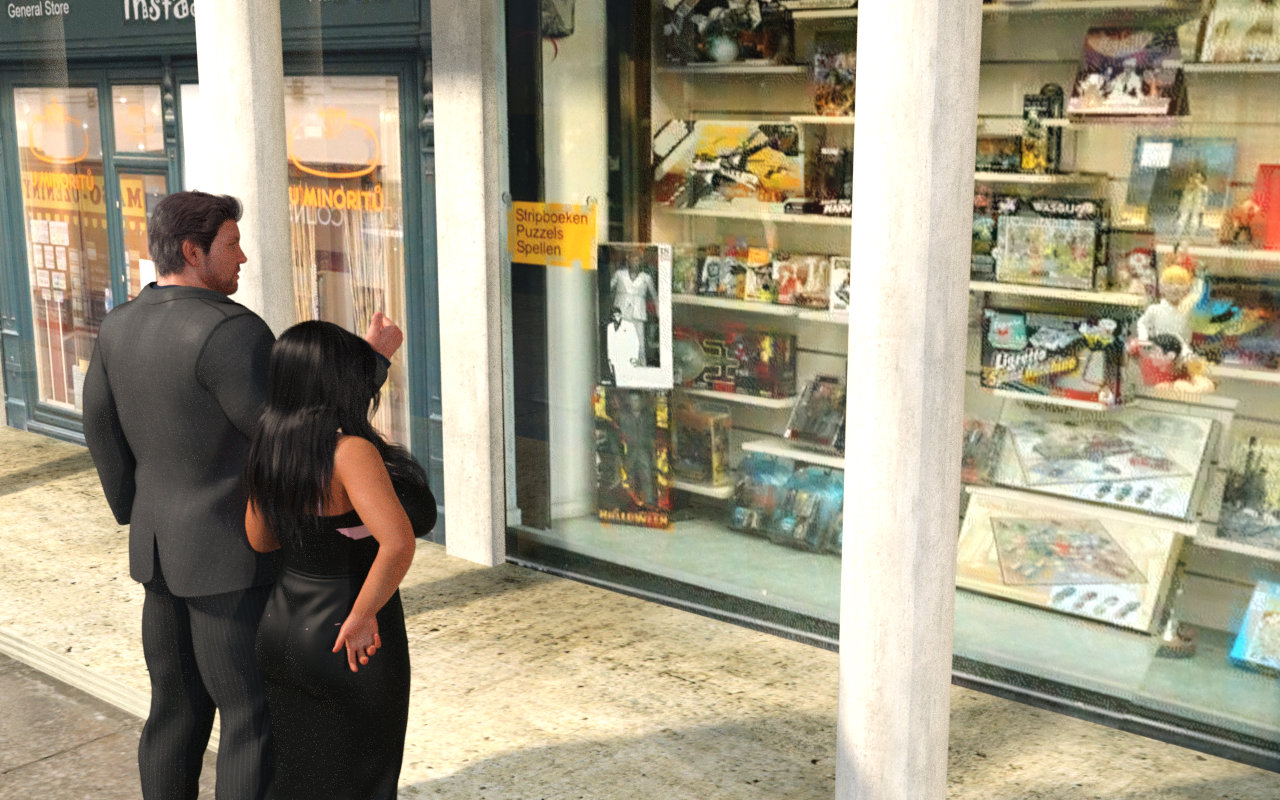
The Neighborhood uses a restrained visual approach that emphasizes everyday realism over high-octane spectacle. Interiors and exteriors favor a warm, muted palette with careful attention to domestic details—furniture, family photos, and neighborhood signage—that support the game’s slice-of-life tone. The playable areas are organized around a hub-and-spoke structure: Kevin’s home functions as a central hub, and surrounding blocks, a workplace, a local shop or park, and other short street segments serve as compact explorable zones. Each area contains a handful of interactable objects and scene triggers designed to reward slow observation.
Customization is subtle and grounded: you make choices about which conversations to pursue and which locations to return to, shaping Kevin’s routine rather than managing inventories or character stats. The game is designed to be approachable, with readable UI elements and options to adjust text size and toggle contextual hints, helping players with different needs enjoy the experience. The single-player story is fully playable offline, so you can explore the neighborhood without a network connection and save progress locally on your device.
Rather than traditional challenges, the game offers curiosity-based objectives and optional scene-based goals. Some interactions unlock short vignettes or reveal family anecdotes; others lead to collectible notes that document small, character-focused discoveries. Pacing is intentionally measured, designed for players who prefer atmosphere and interpersonal detail to timed puzzles or combat. If you enjoy low-pressure exploration, the subtle reward loop of noticing and returning will feel satisfying.
The Neighborhood is best suited for players who appreciate character-driven storytelling, observational gameplay, and everyday drama. It appeals to those who want a relaxed, reflective experience with meaningful small moments instead of high difficulty or intense action. If you enjoy exploring environments, reading short scenes, and piecing together a domestic narrative at your own pace, The Neighborhood offers an inviting, consistent atmosphere with enough hidden details to reward repeated visits.