
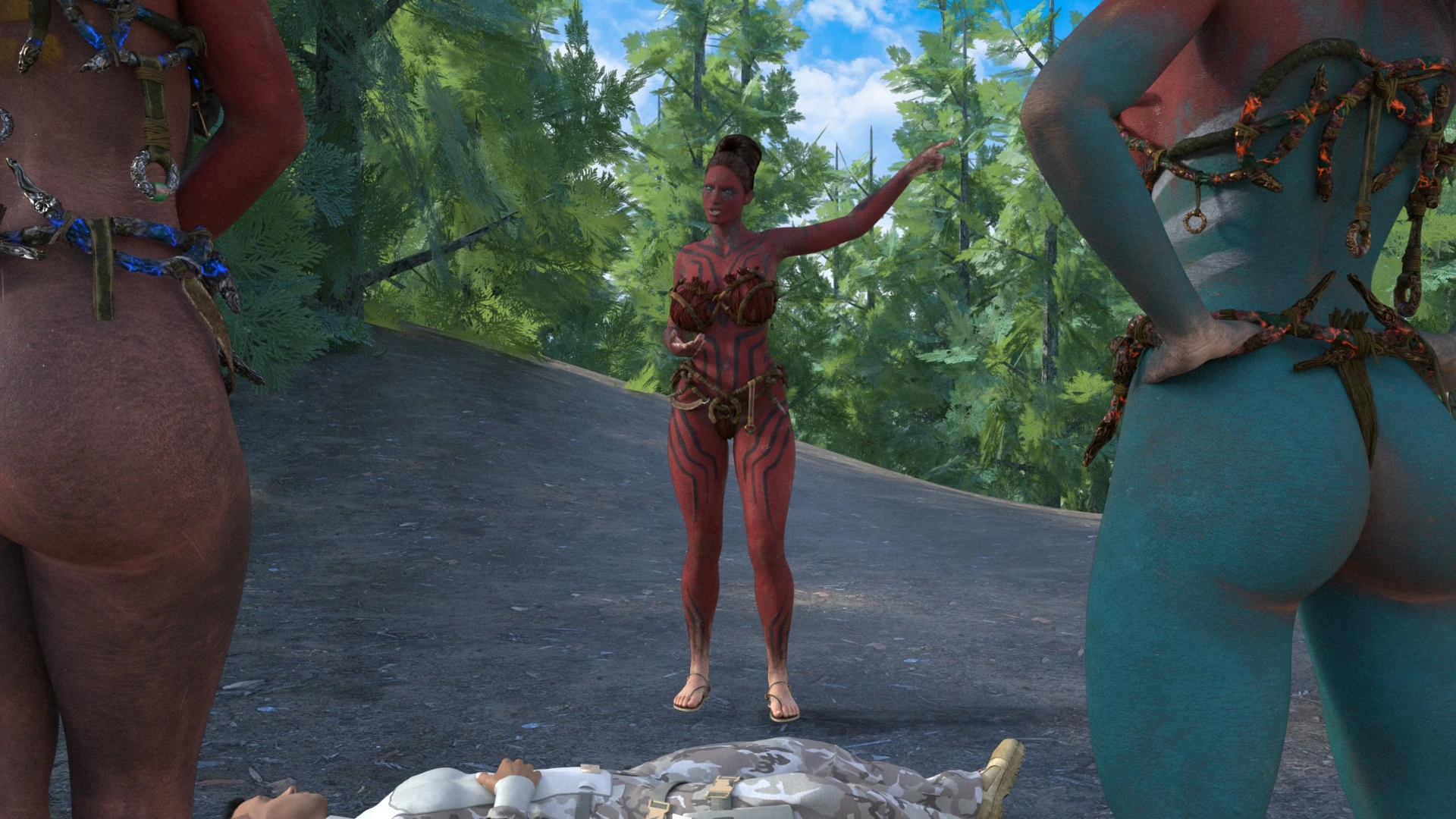
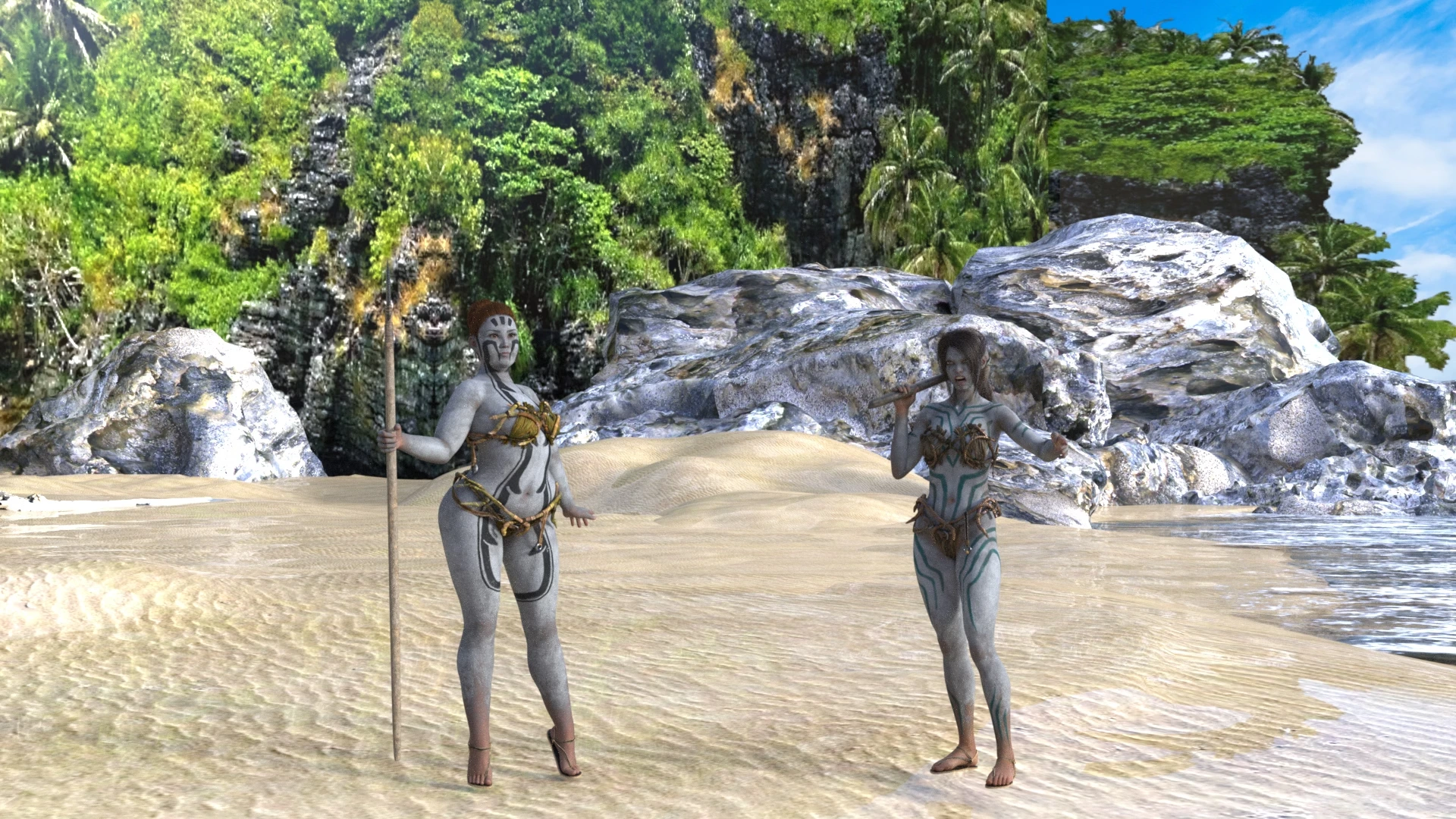
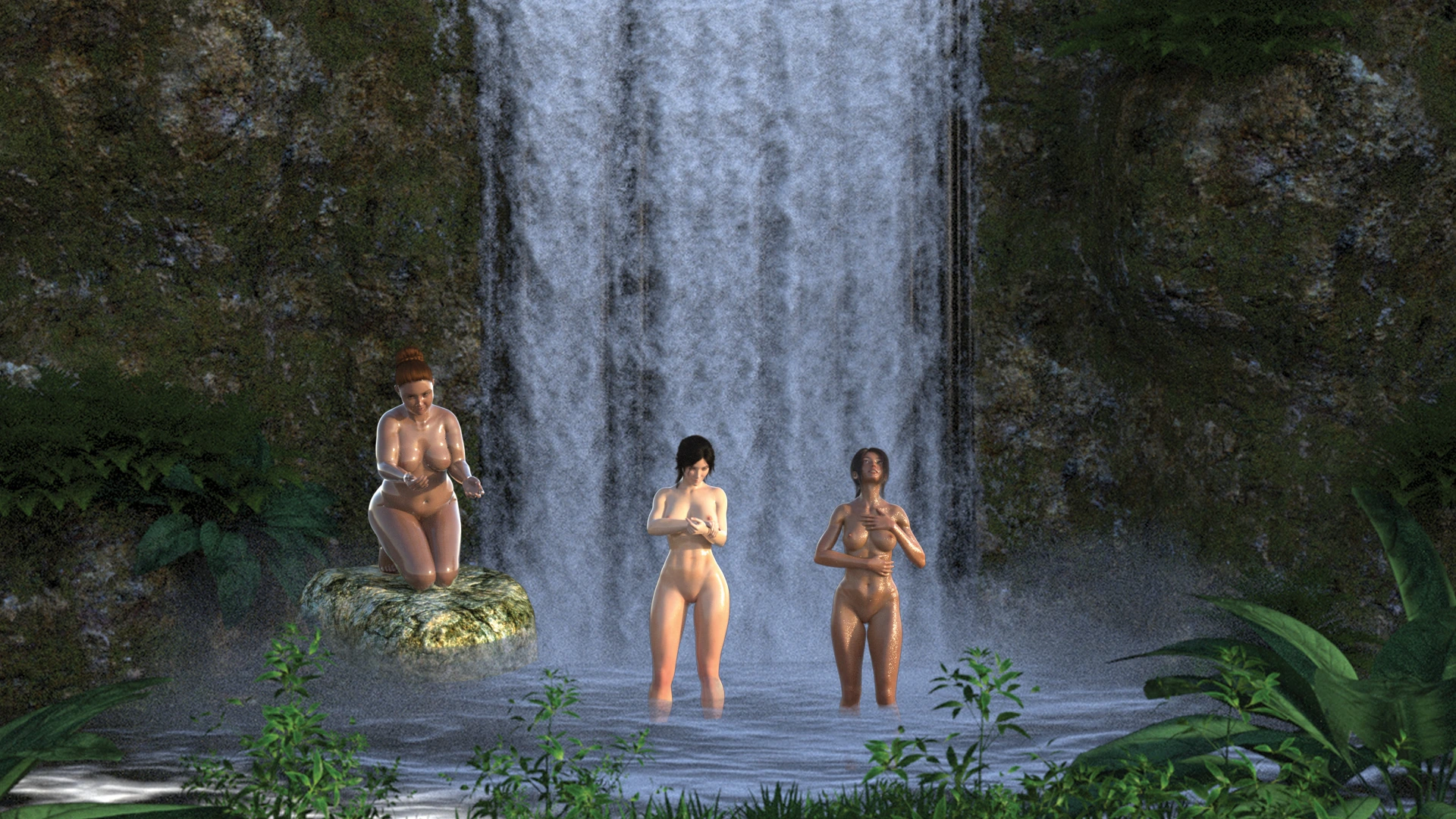
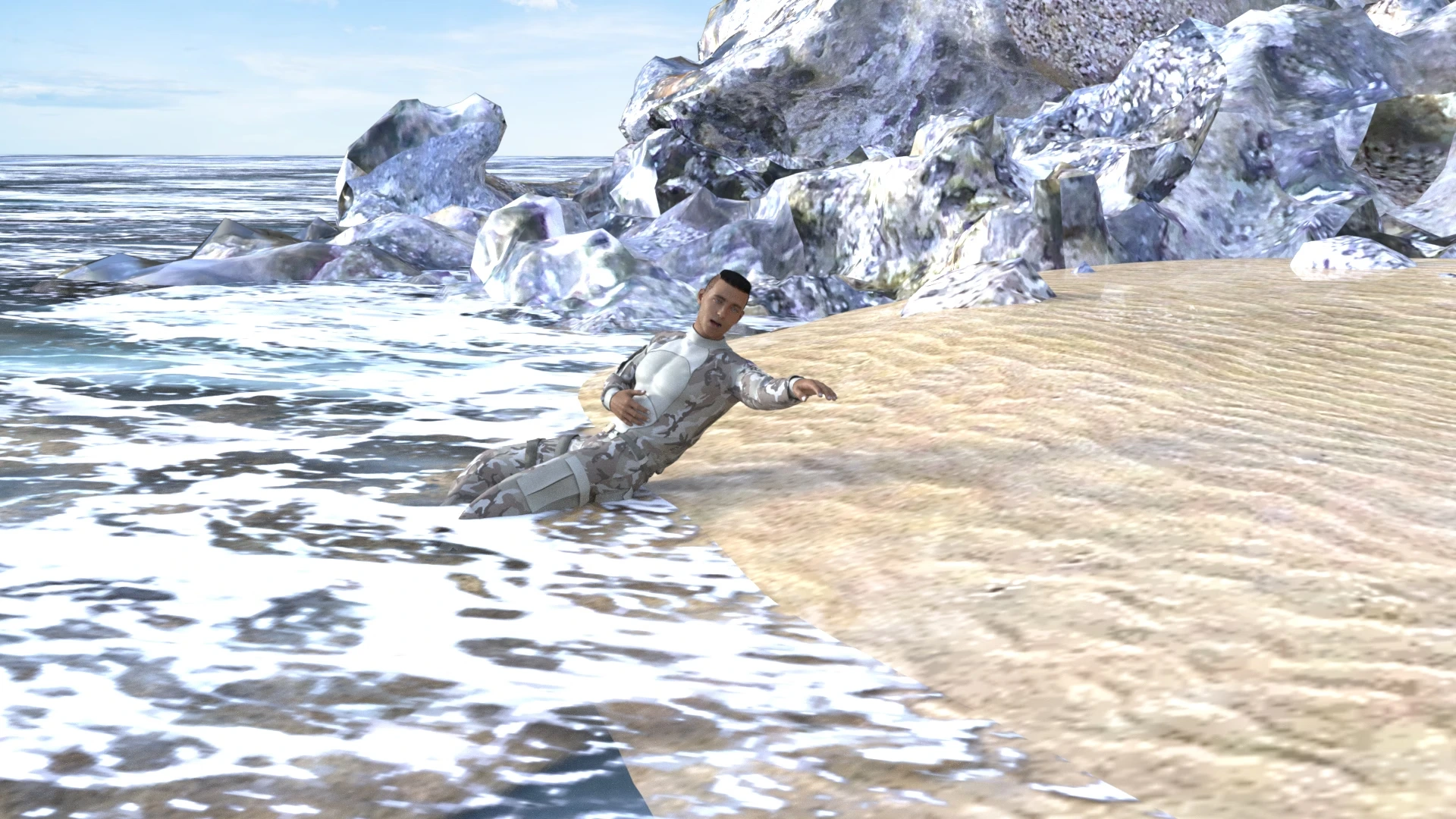
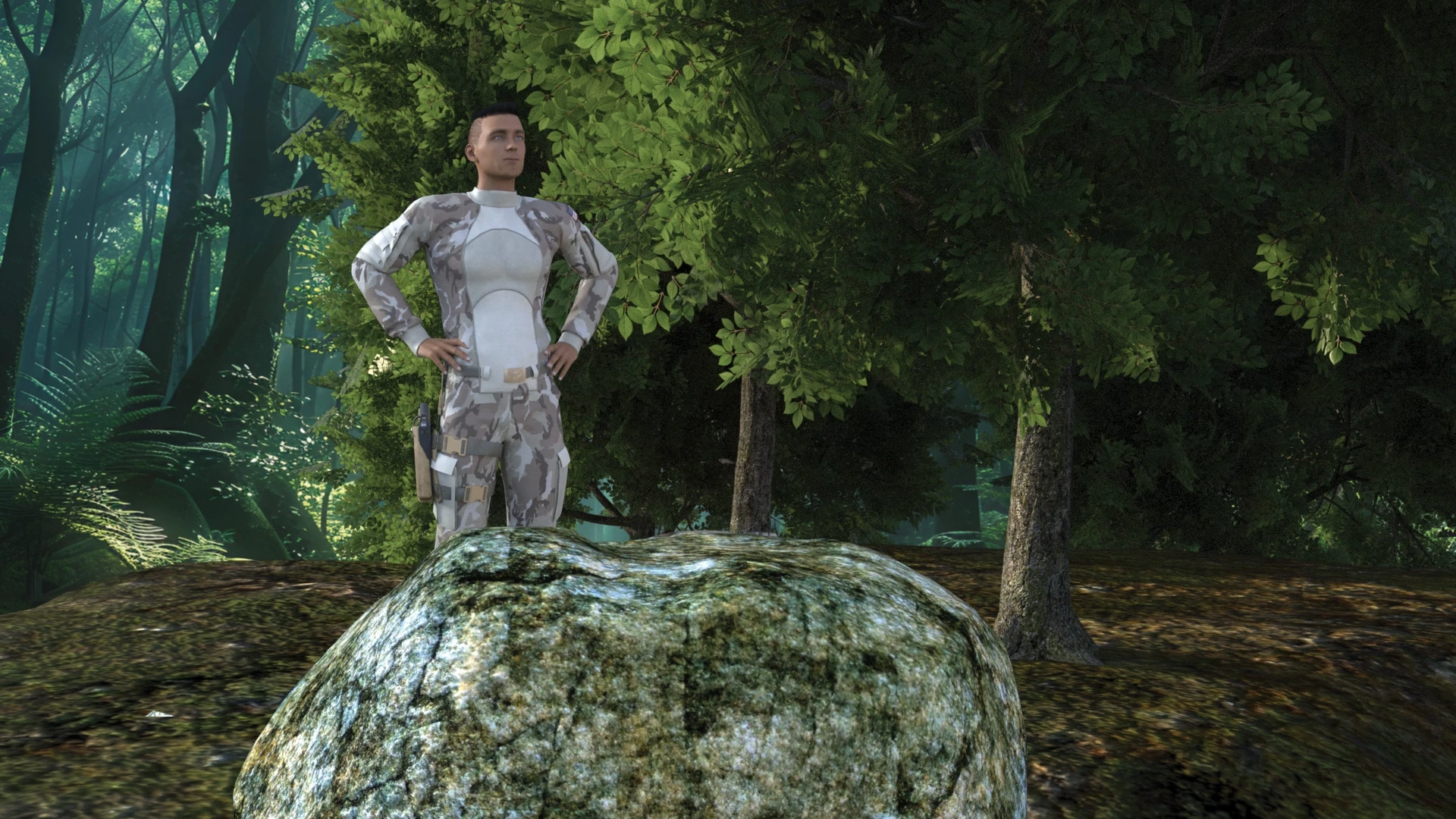
Island of Lost Horizons is a narrative-driven single-player adventure that places you on a mysterious shore and asks you to explore, converse, and make consequential choices to uncover the island’s secrets. The game blends exploration, branching dialogue, and decision mechanics to create a slow-burning, atmospheric experience where relationships and discoveries guide progression. Designed for players who value story and character interaction, Island of Lost Horizons encourages thoughtful play and multiple replays to reveal alternate paths and hidden content.
This release focuses on a carefully written story, environmental exploration, and character-driven outcomes rather than fast action. Players will investigate a series of connected locations along the beach and inland, interact with a cast of characters whose responses change based on prior choices, and unlock new narrative scenes as they piece together clues. The title was formerly known as The Secret Island and keeps its emphasis on mystery, conversation, and discovery rather than competitive or online systems.
Exploration in Island of Lost Horizons is deliberate: you examine points of interest, gather contextual clues, and follow narrative threads that can branch depending on your decisions. Conversations are central to progression and are presented as choice-driven exchanges where tone and timing matter. Rather than relying on combat, the game presents light puzzle elements and situation-based challenges that encourage observation and careful choice selection. As you build relationships with characters, new options and scenes become available, shaping the overall narrative arc.
The interface is optimized for touch devices with straightforward tap-to-interact controls for examining objects and selecting dialogue options. Menus and scene transitions are kept simple to keep the focus on story flow. Progression is primarily narrative: completing scenes and resolving character encounters opens new areas and reveals additional backstory. Save points and automatic checkpoints are used so you can pause and resume without losing critical progress, supporting short or extended play sessions.
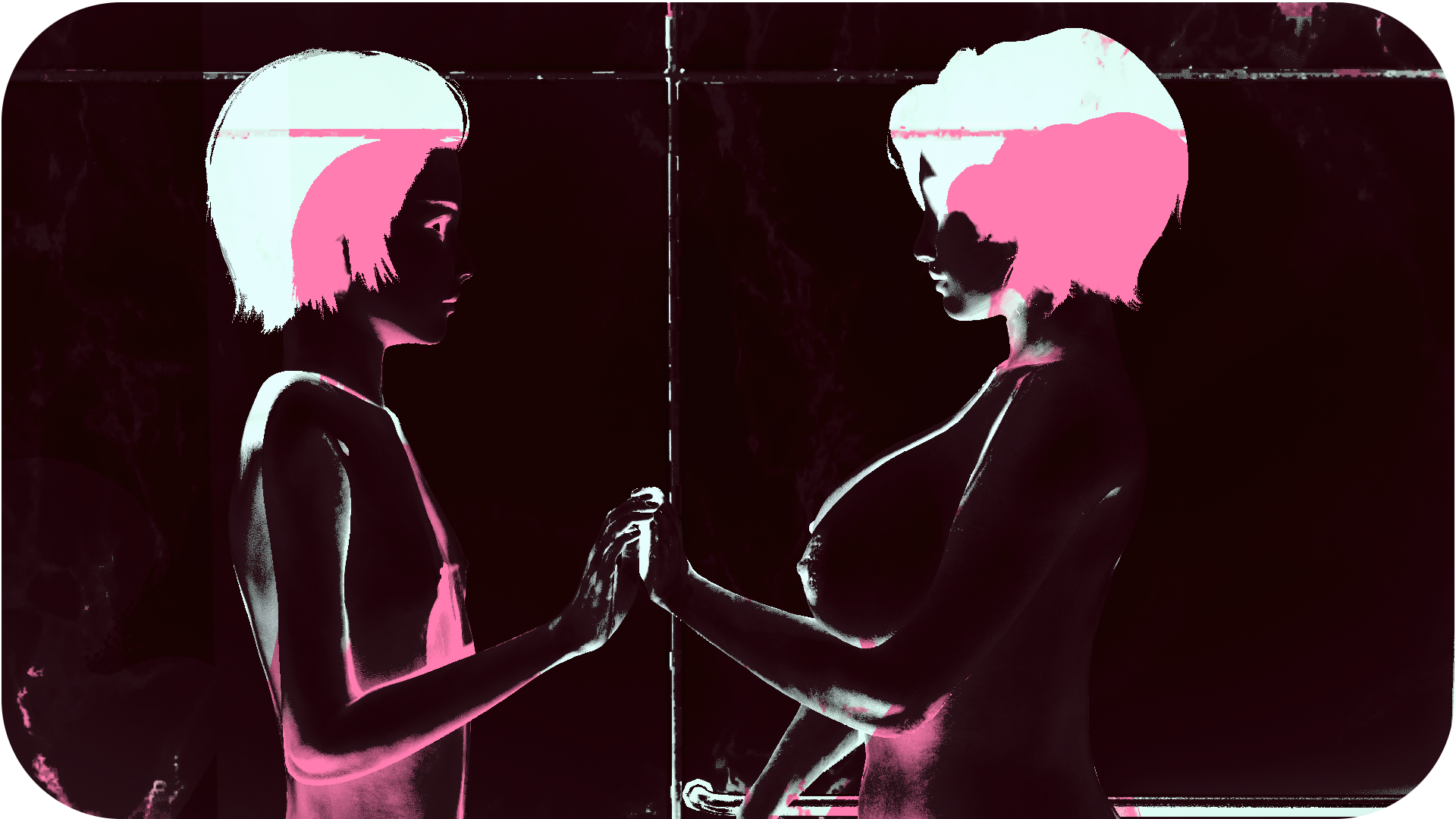
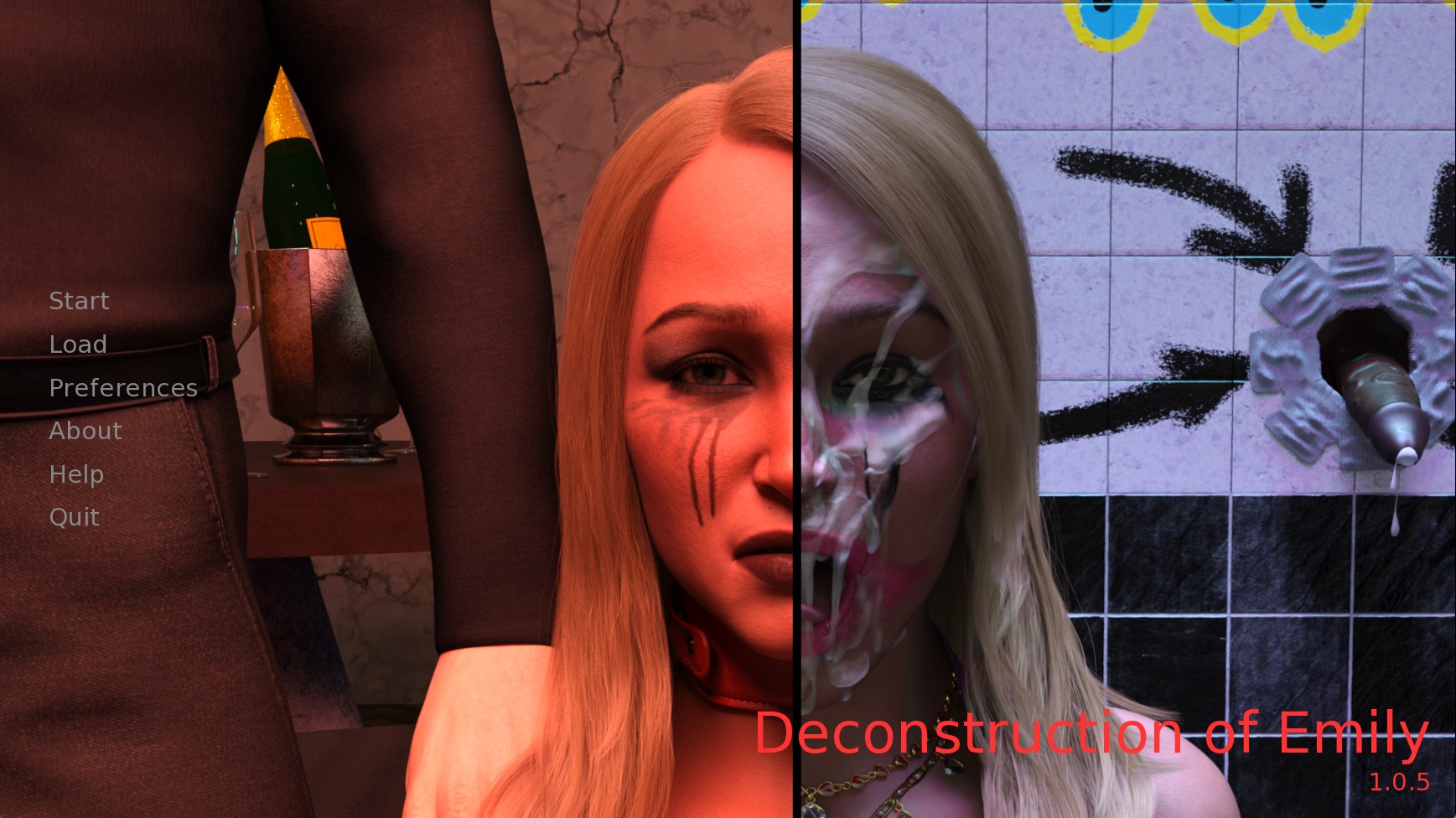
Island of Lost Horizons uses a moody, atmospheric visual approach that supports its mystery-driven story. Environments emphasize mood through lighting, color palettes, and carefully framed scenes, while character portraits and expressive dialogue screens convey emotion and reaction. The sound design leans on ambient effects and a restrained musical score to maintain immersion and underscore moments of tension or revelation. This aesthetic aims to draw players into the island’s environment rather than distract from narrative choices.
The game world is organized into connected locations rather than traditional levels; each area contains scenes, characters, and optional clues that contribute to the wider mystery. Some challenges are optional puzzles or investigation tasks that reward attention to detail, while others are decision points that alter how subsequent scenes play out. These systems are designed to be gentle rather than punitive, placing emphasis on exploration and consequence rather than time-based difficulty.
Customization in Island of Lost Horizons centers on narrative agency rather than character stat screens. Your choices shape relationships, character reactions, and which story branches are unlocked, creating natural reasons to replay and explore different approaches. Multiple endings and alternative dialogue paths are embedded into the structure, so returning to earlier scenes with different decisions will reveal new content and deepen understanding of the island’s history.
The user experience emphasizes readability and simple navigation, with dialogue presented clearly and pacing that supports thoughtful decision making. Accessibility options such as adjustable text size and clear contrast are included to improve readability on a variety of devices, and dialogue text is available alongside voice or ambient tracks for players who prefer to read. Island of Lost Horizons is primarily a single-player experience and is playable offline after installation, allowing uninterrupted exploration without requiring an active internet connection.
Phantom3D is the studio behind Island of Lost Horizons and released this initial build as version 0.01. This early release delivers the core narrative framework, exploration systems, and character interactions that define the experience while signaling planned updates and content expansion in future builds. Players should expect an evolving title that rewards curiosity, careful play, and multiple replays to uncover the island’s deeper mysteries.