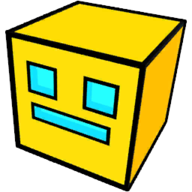
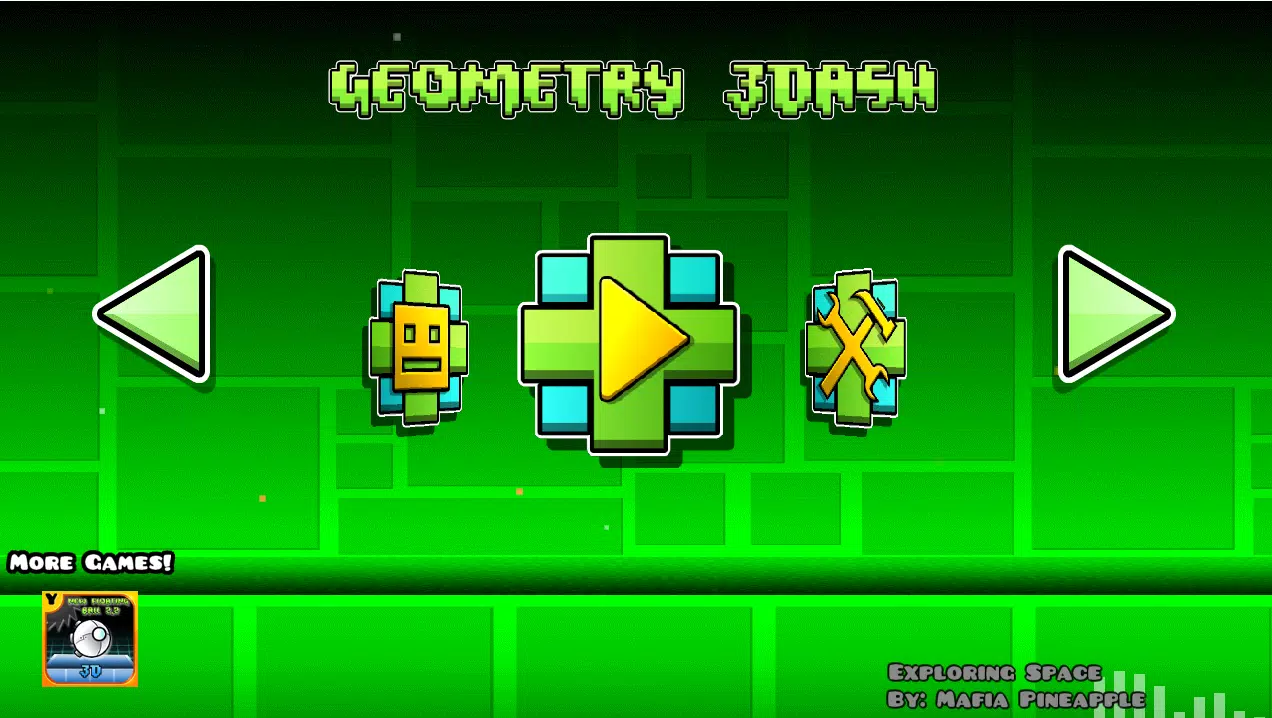
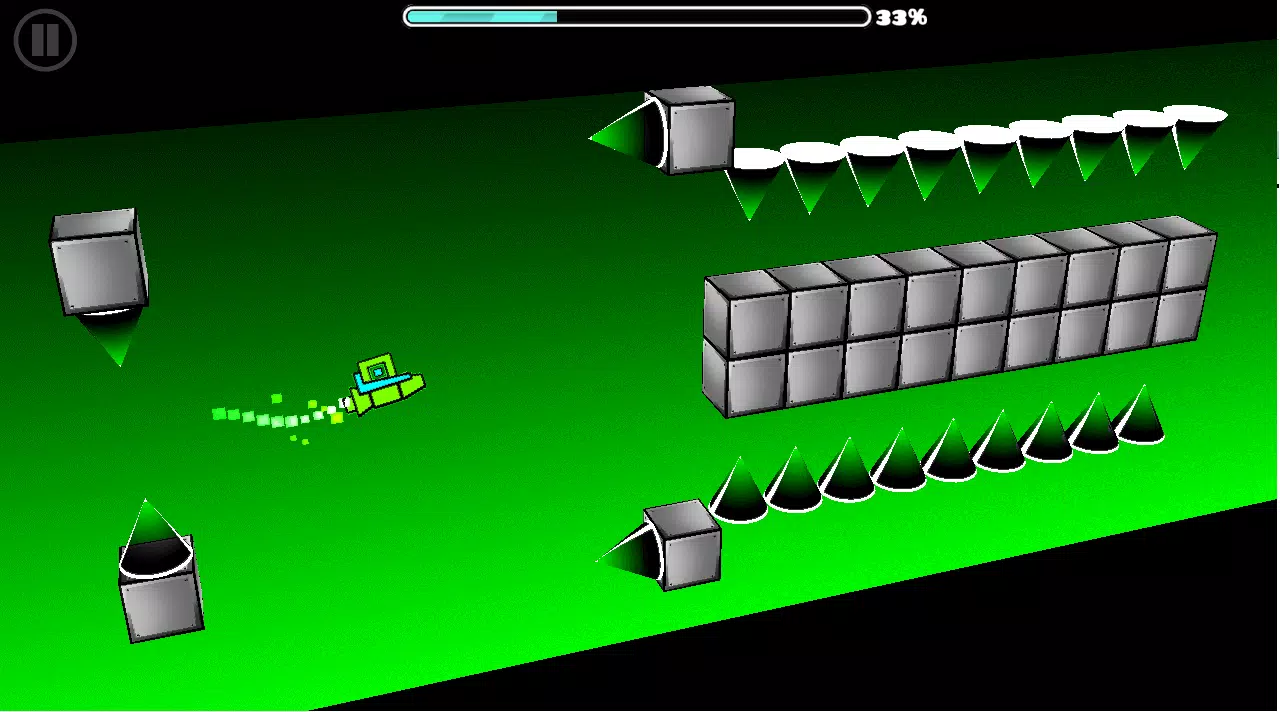
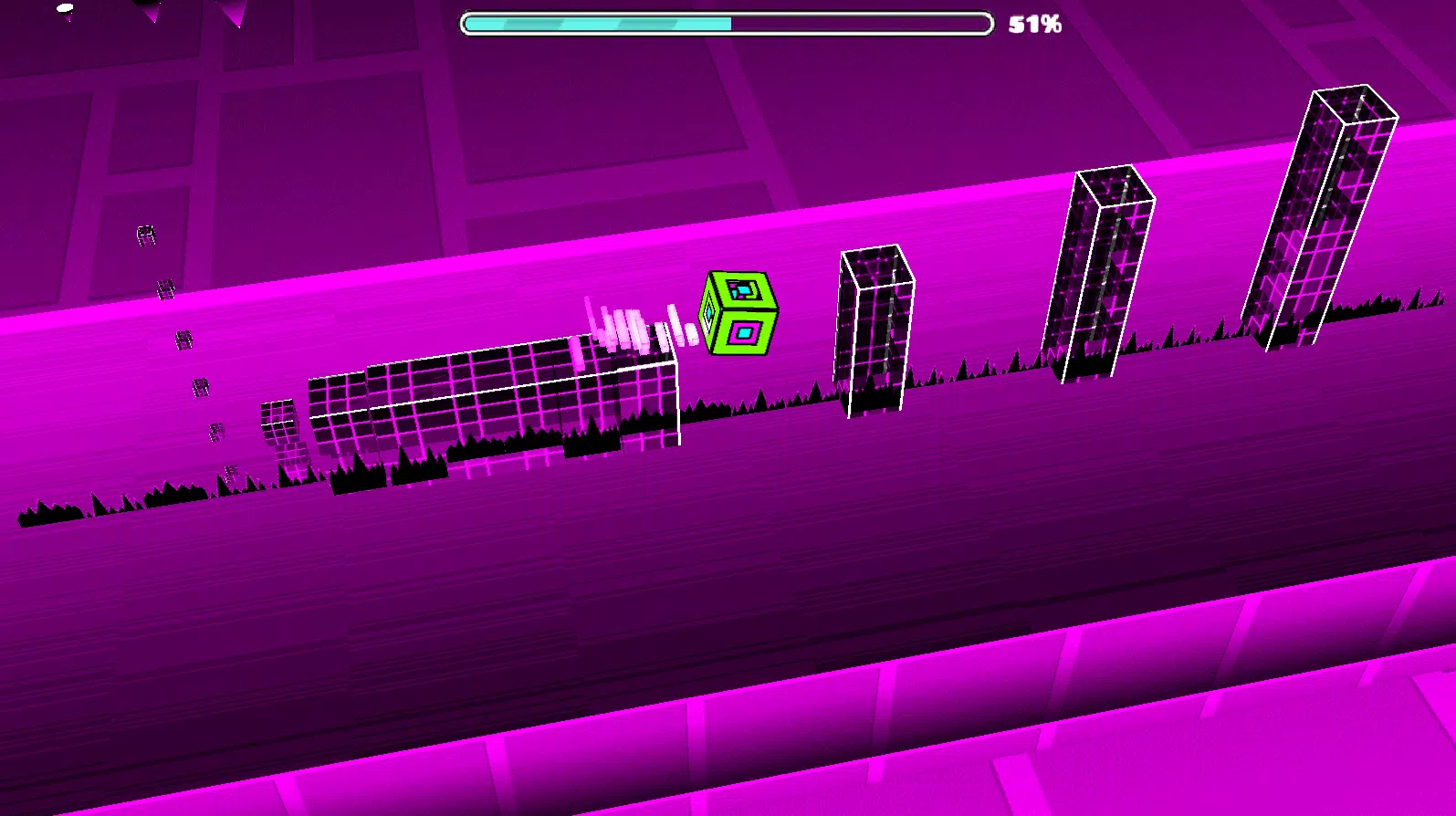
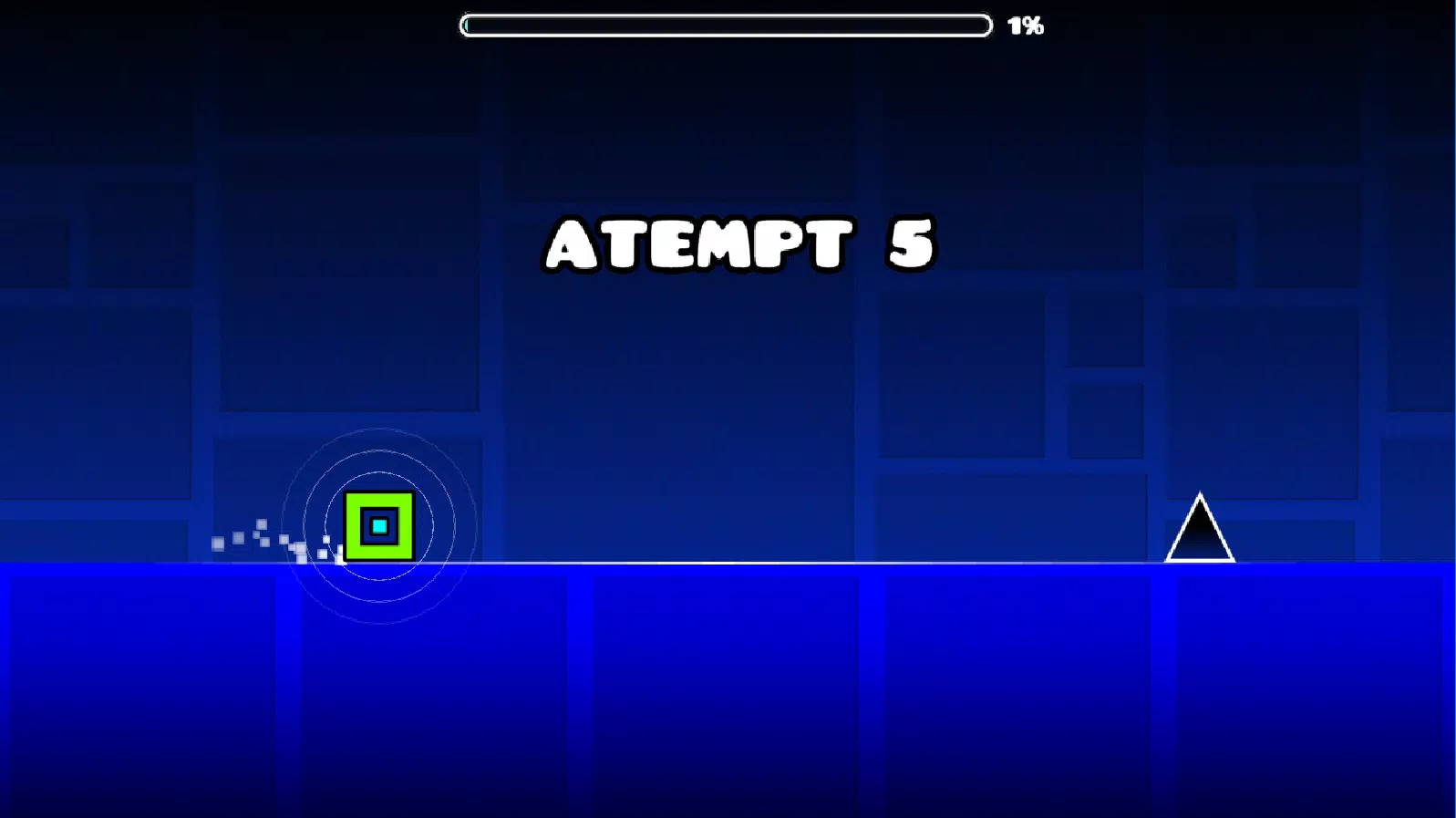
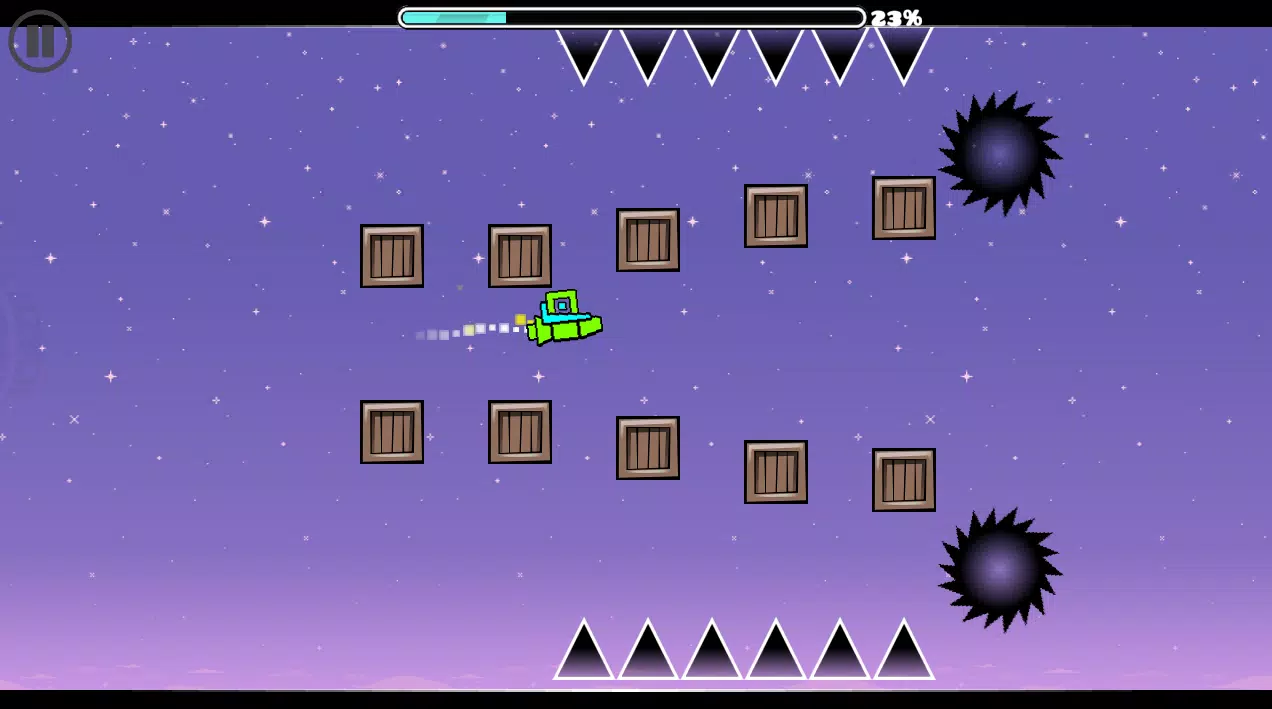
Geometry Dash 3D is a fast-paced 3D rhythm-runner that challenges your timing and reflexes as you guide a geometric cube through colorful obstacle courses. In the opening runs you’ll recognize the core one-touch gameplay: tap to jump, hold to glide or slide, and time your moves precisely to survive sudden walls, rotating blocks and moving platforms. Geometry Dash 3D blends short, addictive runs with a rhythmic sense of flow, making each attempt feel like a compact test of focus and muscle memory.
The gameplay in Geometry Dash 3D centers on simple controls applied to increasingly complex obstacle patterns. Levels are designed to encourage split-second decision making: jumps must be timed to avoid spikes and gaps, slides and glides help thread through narrow passages, and rotating or shifting platforms alter the approach to otherwise familiar sequences. The game favors short sessions with meaningful moments of progress, so individual runs can be replayed quickly to learn and master each obstacle layout. Classic stage designs are handcrafted to emphasize rhythm and visual cues, while the endless wave mode sustains a continuous challenge that ramps difficulty based on player performance.
Controls are deliberately minimal to make the experience approachable: a single tap or touch input translates to jump, with context-sensitive behavior for slides or extended airtime. This simplicity lowers the barrier to entry while still leaving room for precision at higher difficulty. Geometry Dash 3D includes adjustable audio and graphic settings to suit different devices and hearing preferences, and the clean geometric visuals help players focus on gameplay without clutter. For players who need more time to react, certain modes encourage practice and repetition so patterns can be learned visually rather than relied on reflexes alone.
Progression in Geometry Dash 3D is built around collectible gems and unlockable block skins that reward persistence and exploration. Gems can be earned by completing stages or hitting specific in-level goals, and skins allow you to personalize the appearance of your cube as you advance. Unlocks provide tangible goals beyond just clearing levels, encouraging players to revisit stages and experiment with different approaches to maximize gem collection. Leaderboards are available to track top runs, offering an additional layer of competition for players who enjoy measuring their best times, while customization keeps each successful run visually satisfying.
The game’s visual identity is a bright, cubic aesthetic that translates classic 2D rhythm-runner ideas into a three-dimensional space. Vibrant cubes, smooth lighting and motion effects make obstacle movement readable and engaging, while upbeat sound design supports the rhythm of runs and provides audio cues for upcoming hazards. Visual contrast is used intentionally so obstacles stand out from the background, helping players anticipate and react. The soundtrack and sound effects are composed to enhance flow rather than distract, which is especially useful during repeated practice sessions.
Level offerings include a Classic mode with a curated set of handcrafted stages, an Endless wave mode that tests endurance and pattern recognition, and a Two-Player mode for direct duels that can be enjoyed locally or in split-session play. Classic stages are structured with clear checkpoints for learning, while endless mode focuses on survival and pacing. Each mode emphasizes different skills: Classic levels reward memorization and rhythm, Endless mode refines consistency, and head-to-head matches highlight quick adaptation and short-term mastery.
Replayability is central to Geometry Dash 3D: short runs make it easy to retry specific segments, and unlocking skins or chasing higher leaderboard positions gives reasons to return. Difficulty is intentionally steep in later stages, offering a satisfying progression curve for players seeking challenge. The game encourages incremental improvement—small timing refinements and pattern recognition lead to steady gains. For those who prefer a less punishing session, earlier stages and practice runs provide a gentler entry point to build confidence.
The app is designed to run smoothly across a range of devices, with performance options that scale visuals to maintain consistent frame rates during fast-paced runs. Touch responsiveness is emphasized to reduce input lag, and the interface keeps menus and options straightforward so you can get into a run quickly. Many single-player features are accessible without a continuous connection, though leaderboard updates may require an internet connection to reflect the latest competitive scores. The overall user experience aims to keep sessions brief and rewarding, whether you have a few minutes between tasks or a longer block of time to practice.