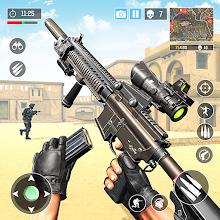




Yandere Simulator places players in a tense, narrative-driven simulation where you control an obsessive protagonist who is determined to earn the attention of a central character often referred to in the story as Senpai. The game frames its premise as a dark, character-focused experience set in a fictional world populated by adult characters; the emphasis is on strategy, stealth, and consequential decisions rather than explicit content. Players are invited to explore different approaches to meeting objectives, using limited resources and a compact arsenal to influence rival characters and progress through scenario-based challenges.
The core loop in Yandere Simulator blends stealth movement, situational planning, and tactical encounters. Each play session asks you to observe routines, identify opportunities, and choose between subtle manipulation or direct confrontation. Encounters are designed around a few distinct weapon types—screwdriver, ax, sledgehammer and sword—each offering different ranges and timings that affect how you approach a situation. Non-combat options are also meaningful: distraction, timing, and environmental interaction all play a role in achieving goals without drawing excessive attention.
Controls prioritize precision and responsiveness so players can execute stealth maneuvers or tight timing windows. Interactions are context-sensitive: approach an object or character and available actions appear, supporting a fluid playstyle where planning and quick decisions coexist. The interface is designed to keep information clear—objective markers, threat indicators, and inventory prompts are presented without clutter, helping players focus on tactical choices rather than interface management.
Progression in Yandere Simulator is mission-driven. Scenarios increase in complexity as rival behavior, environmental hazards, and time pressures evolve. Early encounters introduce basic mechanics and weapon handling while later scenarios layer multiple objectives and more alert opponents. Success unlocks new situational opportunities and encourages players to refine tactics rather than rely on repetition. The level structure supports short-session play as well as longer, more deliberate runs where planning across multiple areas becomes essential.
The visual presentation leans toward a stylized, dramatic aesthetic that emphasizes mood over realism. Lighting and camera framing are used to create tension and highlight interaction hotspots, while character expressions and animation cues communicate intent without needing explicit exposition. The overall tone is cautionary and psychological rather than exploitative, with design choices that support narrative immersion and player focus on tactical decision-making.
Yandere Simulator encourages players to develop an approach that matches their preferred playstyle. While the core protagonist remains central to the narrative, players can vary tactics by prioritizing stealth, direct confrontation, or environmental manipulation. Weapon choices and the order in which objectives are pursued lead to distinct experiences; this customization is about strategy and experimentation rather than cosmetic change.
Replayability is driven by branching outcomes and multiple valid strategies for any given scenario. Challenge systems include optional objectives, stealth ratings, and time-based tasks that reward different skill sets. Because the game supports a range of approaches—quiet evasion, clever distractions, or direct engagement—each replay can feel substantially different depending on the tools and tactics you choose.
The game aims to be accessible with adjustable difficulty settings, clear objective prompts, and control sensitivity options to suit different players. Tooltips and an introductory scenario help new players learn core mechanics without overwhelming them. Yandere Simulator is designed for single-player offline play, allowing users to explore scenarios and experiment with tactics without needing a persistent internet connection. Attention has been given to performance and input responsiveness to maintain a consistent experience across supported devices.
Yandere Simulator is suited to players who enjoy narrative-driven stealth simulations with morally complex choices and compact resource management. It offers a provocative premise that is best approached by users who appreciate tense, character-led scenarios and strategic problem-solving rather than purely action-focused gameplay. Repeated playthroughs reveal new ways to approach the same challenges, making it a title for players who like to test tactics, refine timing, and explore different narrative outcomes.