

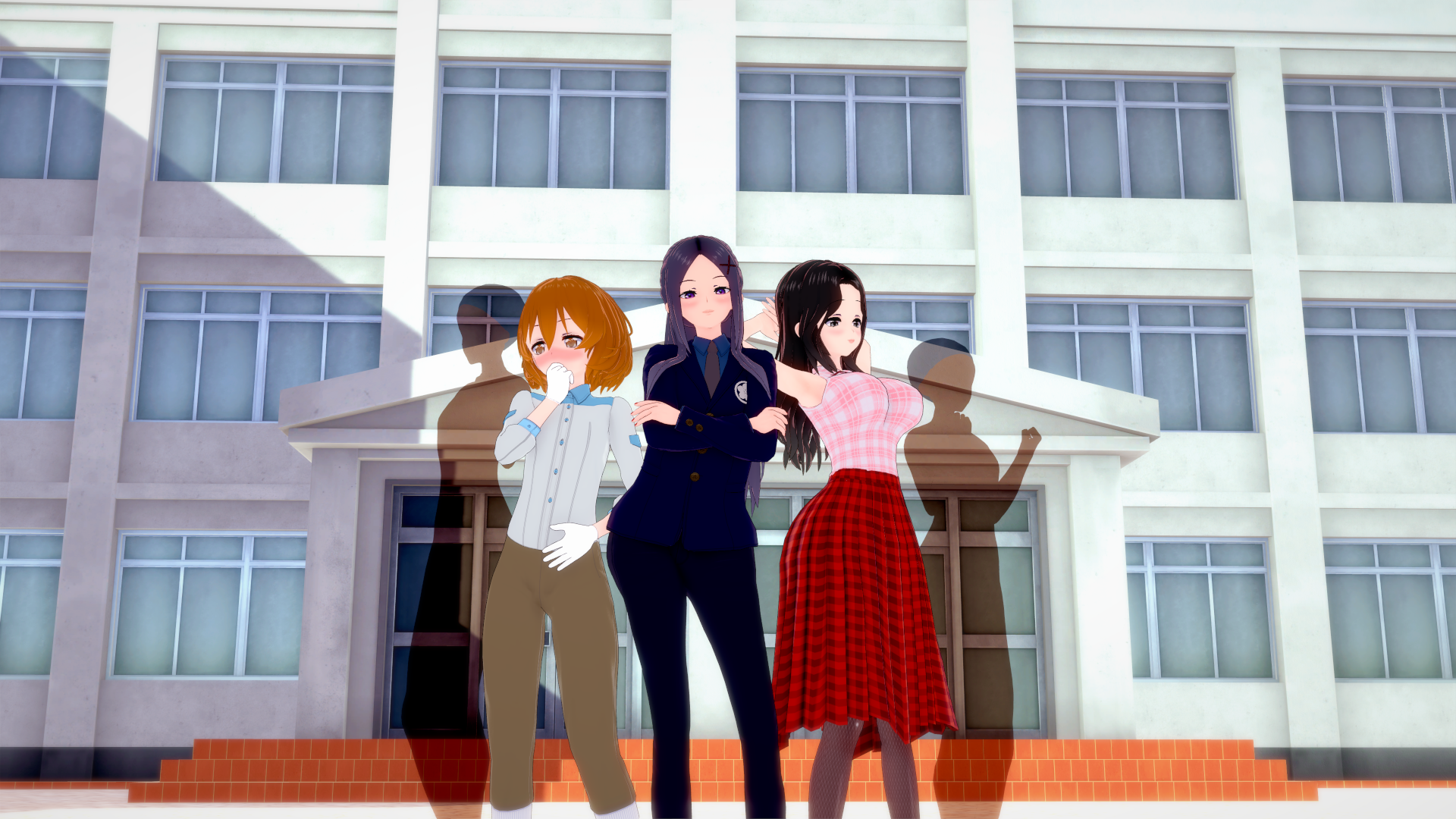
Cross Academy - Glass Garden is a single-player, narrative-driven simulation that places you in the role of a lead researcher at an isolated academy residency; Cross Academy - Glass Garden blends choice-driven storytelling with light management systems and is built for Windows, Mac and Linux. The premise centers on an experimental program called the Glass Garden, an information system that collects emotional signals and shapes branching storylines, but the focus is on interpersonal dynamics, moral trade-offs and consequence rather than explicit or erotic content.
Cross Academy - Glass Garden delivers branching outcomes tied to player decisions and the evolving state of the Glass Garden data streams. The game emphasizes relationship management between consenting adult participants, narrative discretion around mature themes and a combination of scripted scenes and emergent responses driven by in-game information. Players who prefer deliberate pacing and complex social dilemmas will find layered scenarios, optional side projects and multiple endings that reflect different ethical and professional approaches.
The core experience blends visual-novel style decision points with a subtle simulation layer. You divide limited attention and resources across research projects, mentorship duties and relationship interactions, and those allocations affect participant confidence, career trajectories and project success. Dialogue choices, scheduled appointments and how you present or withhold information will alter character states and unlock new narrative branches. The Glass Garden acts as both a dashboard and a narrative engine: interpreting its outputs and deciding when to intervene are regular gameplay loops.
Designed primarily for desktop play, the interface favors mouse-driven input with clear affordances for dialogue selection, project assignment and Glass Garden monitoring. Menus and contextual tooltips introduce systems gradually so new players can learn without consulting extensive manuals. Common functions include quick-save and quick-load, skip-read text, and toggleable overlays to show relationship metrics or project timelines. The UI aims to balance readability and depth; typography, spacing and iconography were chosen to make narrative choices and system feedback easy to scan during play sessions.
Progression relies on projects, reputation metrics and evolving relationship states rather than linear level advancement. Completing projects, reaching milestones and handling crises change long-term arcs and open alternative endings. Because choices produce divergent mid-game pivots and seasonal shifts within the residency, replaying with different priorities—such as favoring analytical strategies over empathetic ones—reveals new scenes, side projects and participant outcomes. The structure invites multiple playthroughs to explore consequence and hidden narrative threads.
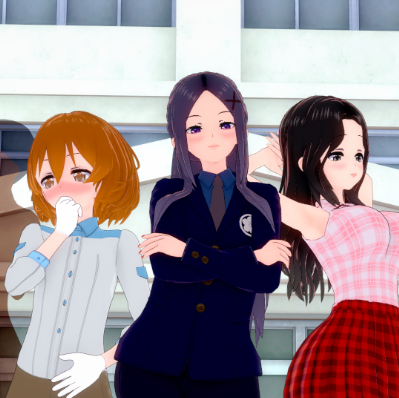
The visual approach puts story and characterization first: character portraits, expressive dialogue frames and atmospheric environmental backdrops create an intimate, text-forward experience. A restrained color palette defines the academy’s everyday spaces while the Glass Garden sequences use more saturated tones to signal informational intensity. Subtle animations, readable typography and a supportive soundtrack enhance immersion without distracting from decision-making, and art direction focuses on mood rather than photoreal detail.
Players can personalize their approach through role choices, project focus and how they allocate influence across participants. These decisions influence practical outcomes—career opportunities, project success rates and available side projects—as well as interpersonal responses. The game rewards thoughtful adjustments: small behavioral changes can cascade into meaningful narrative shifts, giving players agency over the story’s tone and the fates of the characters under their supervision.
Cross Academy - Glass Garden runs fully offline as a single-player desktop title and does not require an internet connection. Accessibility options include adjustable text size, configurable subtitle behavior, contrast settings for improved readability and basic input remapping for common keys. English is included in the initial release and the UI is designed to be approachable for players familiar with point-and-click interfaces, with incremental tutorials to ease new players into the systems.
Challenges emerge from resource limits, competing participant needs and time-pressured decisions that test priorities and values. The Glass Garden presents data-driven dilemmas where short-term advantages can produce long-term consequences, and the game frames these scenarios as ethical puzzles rather than sensationalized content. There is no forced explicit material; adult themes are handled neutrally and used to examine accountability, consent and the costs of control within an institutional setting.
Developed by HOfficer as a narrative experiment emphasizing character interaction and ethical decision systems, Cross Academy - Glass Garden was released on 2026-01-24 with a thread update on 2026-01-25. Supported platforms are Windows, Mac and Linux, and the current build focuses on polish, bug fixes and continued accessibility improvements rather than additional online features.