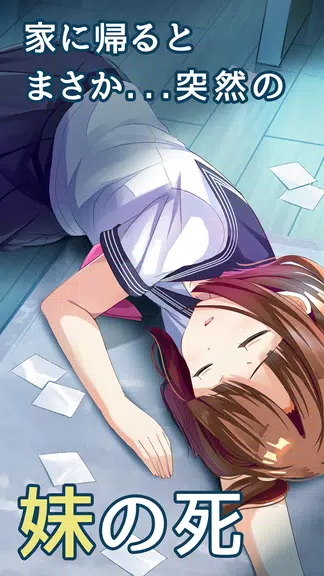
僕の妹が死んだ。 is a tense narrative-driven horror adventure that blends visual-novel storytelling with investigative puzzles and branching outcomes. Players step into the shoes of a bereaved sibling who must navigate memory fragments, interrogate characters, and assemble evidence to uncover a layered mystery across multiple endings.
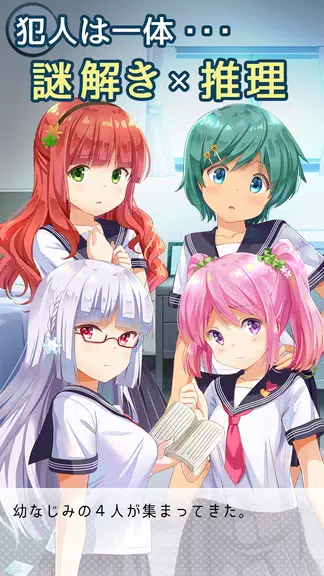
At its core, 僕の妹が死んだ。 prioritizes atmosphere and character development. The narrative unfolds through scenes that mix dialogue, environmental exploration, and player decisions. Each choice affects how other characters respond and which story threads are revealed, making emotional stakes rise as players probe deeper into family history, secrets, and unreliable memories.
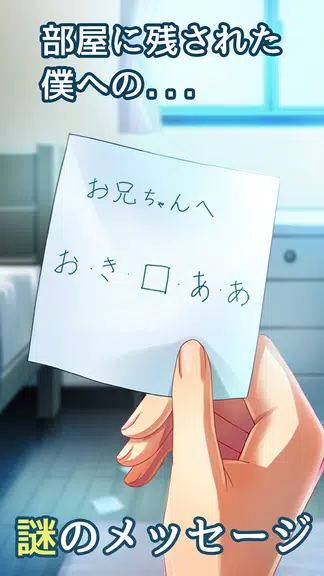
The game alternates between slow, contemplative investigation segments and tighter, puzzle-oriented encounters. Investigation sequences let you search rooms, read documents, and select dialogue options; puzzles are often contextual, designed to reward close reading of notes and careful observation of environments. Pacing is deliberate — the experience favors tension and mood over constant action.
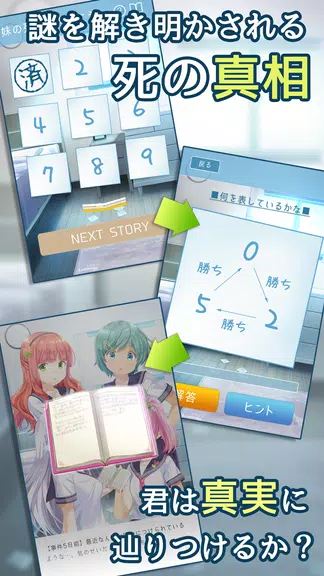
Key mechanics in 僕の妹が死んだ。 are straightforward but layered. An evidence journal tracks discovered items and key phrases, while a relationship meter records how NPCs view your character. Choices are presented with limited information, encouraging players to weigh short-term gains against long-term consequences. The branching structure supports multiple endings, so investigation thoroughness and dialogue tone matter.
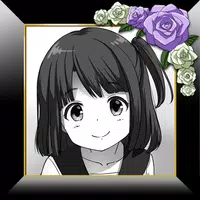
Visually, 僕の妹が死んだ。 leans into a muted color palette and carefully framed backgrounds to sustain unease. Character portraits and expressive writing communicate much of the emotion. The sound design supports atmosphere: ambient drones, strategic silence, and subtle musical cues intensify key moments. The combination delivers a cinematic feel without heavy resource demands.
Controls are designed for touch devices: tap to advance text, long-press to examine objects, and simple gestures for inventory management. Performance is generally smooth on modern devices, though older hardware may show slightly longer load times between scenes. Save points and an autosave system reduce frustration and encourage experimentation with different dialogue paths.
Replay value comes from narrative curiosity and the desire to unlock alternate outcomes. Small changes in conversation can produce new evidence or alter character attitudes, which in turn can open previously hidden scenes. Players interested in character study and moral ambiguity will find reasons to revisit the game and test different approaches.
Installation is straightforward: download the APK, grant the necessary permissions for storage if required, and launch the title. On first launch, allocate time for the opening sequences; the game rewards patience with rich context and strong character hooks. New players should explore every environment thoroughly to avoid missing clues that affect later choices.
僕の妹が死んだ。 will appeal to players who favor story-first games with investigative depth and emotional complexity. It isn’t built around fast-paced action; instead, it focuses on atmosphere, dialogue nuance, and the slow accumulation of evidence that alters how the mystery resolves. For anyone seeking a reflective, well-paced interactive drama, this title is worth exploring.