


T-girl Ada is a narrative-driven single-player action game that blends parkour-style platforming, light stealth, and character progression across layered urban environments; the opening sequences introduce mechanics quickly so new players can start experimenting within minutes. Players take on story missions, optional side objectives, and exploration challenges while following Ada's personal arc and interacting with NPCs whose choices can shape short-term outcomes. The presentation aims for a grounded, readable tone rather than flashy promises, so the description below focuses on how systems work and what to expect from the gameplay loop.
The core loop in T-girl Ada centers on movement, situational choices, and environmental problem-solving. Levels are designed with multiple viable routes: fast runners will find high-speed lines across rooftops and zip points, while methodical players can piece together stealth paths using cover, timing, and distractions. Combat encounters remain intentionally light; encounters reward positioning, timing, and the creative use of tools or level elements rather than long firefights. Environmental puzzles emphasize observation and sequencing, such as activating switches in the right order or using dynamic objects to create new paths.
Progression is handled through an upgrade tree that unlocks traversal moves, passive bonuses, and active abilities. Experience and mission completion award points toward general progression, while rare finds scattered through levels unlock specialized upgrades that expand tactics—new dash variants, silent takedown options, or stamina improvements, for example. T-girl Ada encourages refining a preferred loadout: you can respec choices to experiment with hybrid builds that mix mobility and stealth or focus entirely on durability and direct approach. Cosmetic changes to the character model are subtle and designed to reflect earned milestones rather than paywalled items.
Maps range from dense rooftop mazes to industrial interiors with interconnected vertical spaces. Designers layered areas with hidden passages, alternate platforms, and timed hazards so repeated runs reveal new shortcuts and secrets. Side missions often use smaller, self-contained maps that introduce a specific mechanic or narrative beat, while main missions typically span multiple connected zones to encourage route planning. Dynamic elements such as movable platforms and timed doors add a light puzzle layer to traversal and force players to adapt their timing on repeat attempts.
Touchscreen controls are tuned for fluid movement: a responsive virtual joystick handles locomotion while context-aware buttons manage jump, dash, interact, and use-ability functions. Controls are customizable—sensitivity sliders and button placement adjustments help players find a comfortable setup, and there are options to remap core actions. The HUD stays minimal, presenting ability cooldowns, mission markers, and a compact minimap that can be toggled. Haptic and audio cues are used to communicate enemy alertness and interaction windows without cluttering the screen.
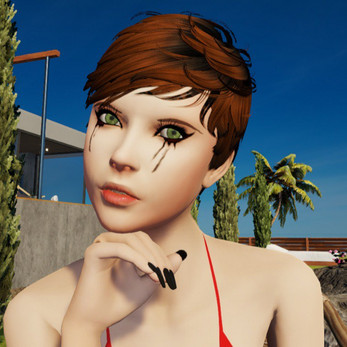
The art direction mixes stylized character work with detailed urban backdrops to create a distinctive but readable look. Lighting and color palettes shift between zones to support different gameplay moods: warm tones and long shadows for rooftop chases, cooler, industrial palettes for factory and underground areas. Sound design is focused on clarity—distinct audio cues indicate nearby threats, interactive objects, and mission triggers—while an unobtrusive musical score supports pacing and heightens tension during stealth segments.
The title targets a broad range of devices through scalable graphics and performance presets that balance visual detail and framerate. Players can choose lower-detail textures and simplified effects on older hardware to reduce memory use, or prioritize higher fidelity on capable devices. The game is primarily a single-player experience designed to be fully playable offline after installation, minimizing the need for a persistent connection so players can enjoy missions on the go.
Accessibility features aim to make the game approachable: adjustable control sensitivity, optional on-screen prompts, and simplified input modes reduce barriers for new or returning players. Subtitles and icon-based cues help follow dialogue and mission objectives without relying solely on audio, and several difficulty tuning options allow players to reduce enemy awareness or increase player health for a more relaxed exploration-focused run.
Replay value comes from multiple solution paths, hidden collectibles, and dialogue choices that alter small narrative beats. Each level supports variety through optional objectives, time-based challenges, and alternate loadout tests that reward different playstyles. For players who enjoy mastery, revisiting earlier zones with new abilities reveals shortcuts and previously inaccessible caches, reinforcing the design goal that exploration and experimentation are consistently worthwhile.
Begin by practicing basic movement and the dash-timing on the opening rooftop tutorial, then take on a few side missions to gather upgrade materials and test ability synergies. As you unlock traversal upgrades and passive bonuses, revisit completed areas to discover hidden routes and bonus content. T-girl Ada balances directed story missions with open exploration, so take time to refine routes, try different ability combinations, and adapt playstyle to the specific challenges each level presents.