
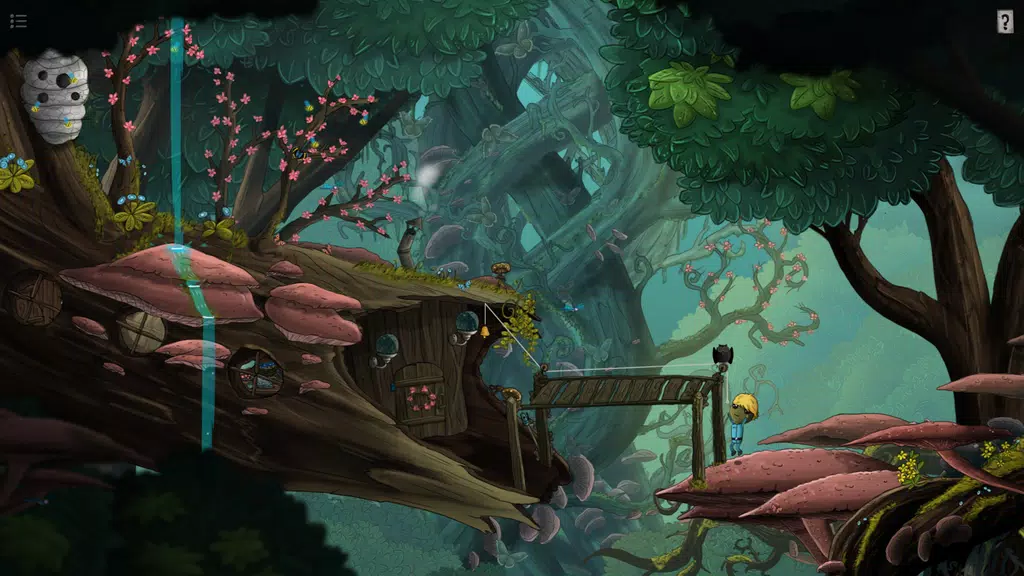
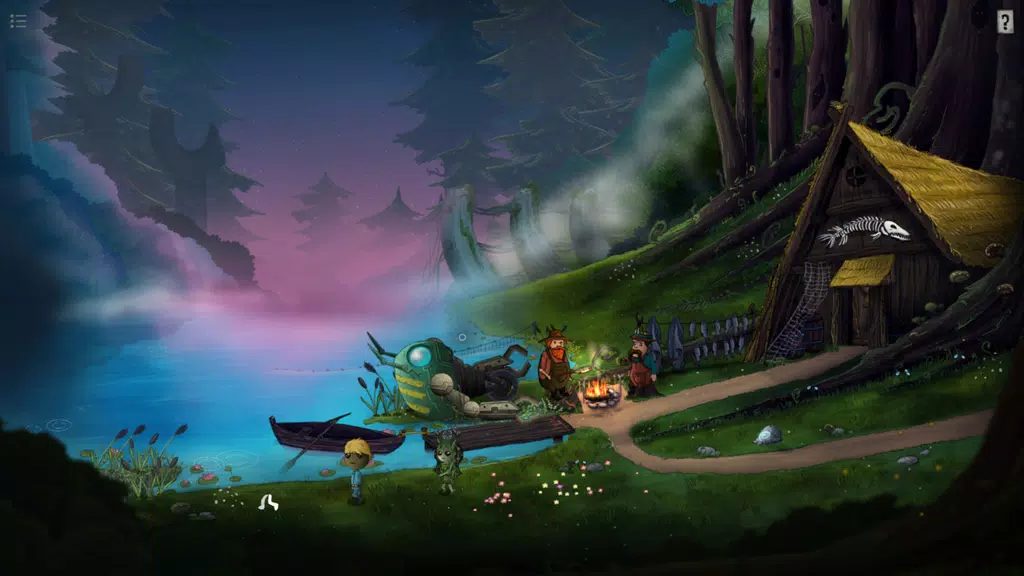
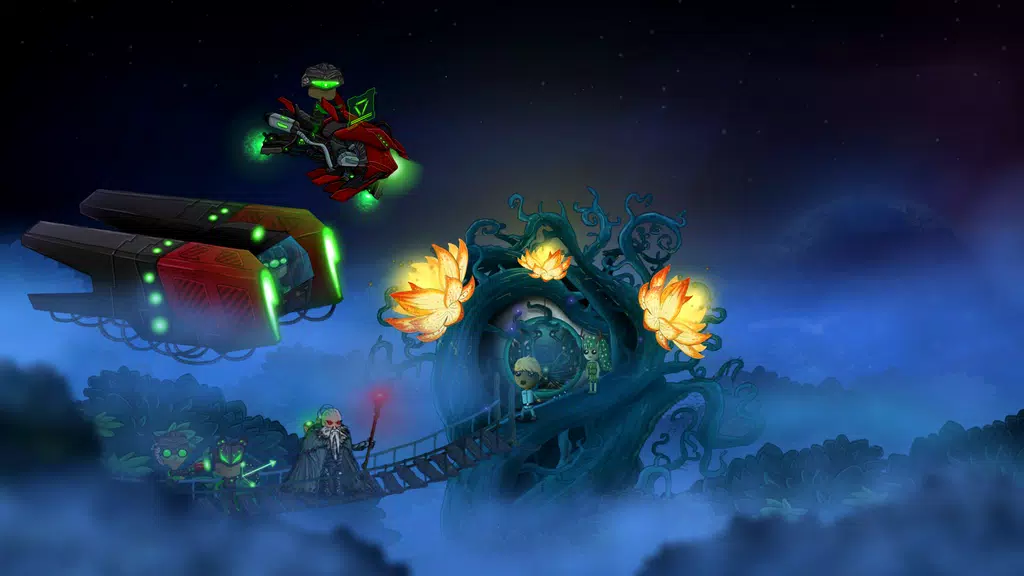
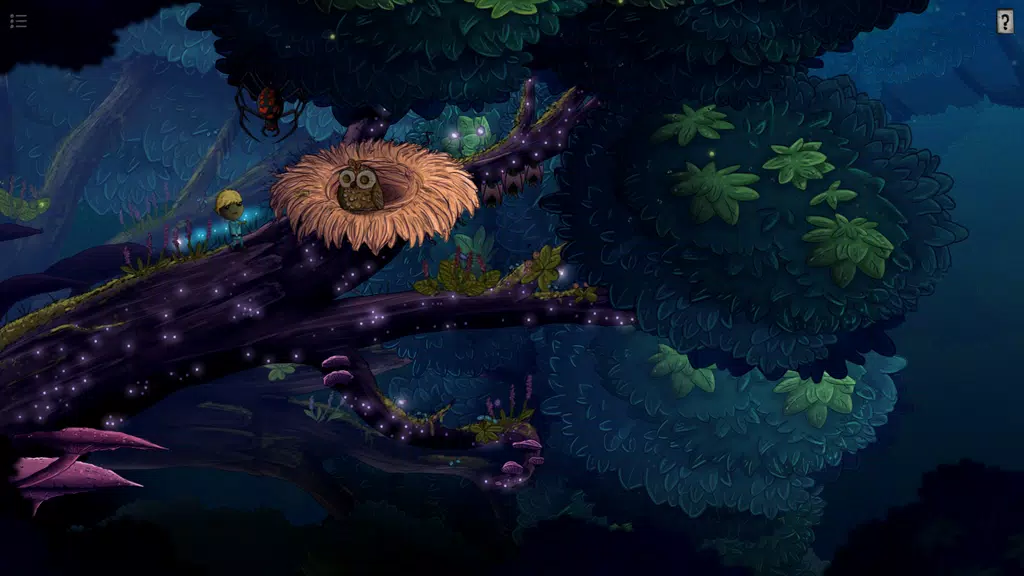
Shapik: The Moon Quest invites players to guide a curious creature through lunar landscapes, solving physics puzzles and unlocking secrets. This atmospheric platformer blends precision jumping, simple crafting, and collectible-based progression as you explore floating islands, mysterious ruins, and hidden paths to restore light to a fractured moon.
Shapik: The Moon Quest centers on tactile platforming and environmental puzzles. Players move Shapik across gravity-shifting platforms, manipulate levers and crystals, and build temporary bridges using gathered materials. Encounters focus on timing and observation rather than combat, creating a contemplative pace that rewards experimentation and careful planning.
Progression is driven by collectibles, light fragments, and upgrades. Each level contains hidden shards that unlock new areas and passive abilities. As you gather pieces of the moon, previously inaccessible routes become available and subtle changes appear in the environment. The upgrade path emphasizes movement enhancements—longer jumps, brief energy shields, and magnetized pulls—to expand traversal options without overwhelming complexity.
The game world is divided into interconnected zones, from crystalline caverns to wind-swept plateaus and floating gardens. Level design frequently uses vertical space, encouraging players to climb, fall deliberately, and use momentum. Environmental hazards like low-gravity fields and shifting platforms keep each map fresh while hidden alcoves reward curiosity with lore and collectibles.
Shapik itself is an expressive, non-verbal protagonist whose gestures and animations communicate mood and intent. Along the journey, small NPCs and guardians offer simple quests, hints, or trade opportunities. These interactions flesh out the moon’s history and provide optional side objectives that yield useful materials and cosmetic items for Shapik.
Success in Shapik: The Moon Quest hinges on observation and adaptive strategies. Before attempting difficult jumps, scan the area for momentum paths or interactable objects. Use temporary constructs creatively to alter trajectories or block hazards. Many puzzles have multiple solutions; players who combine movement upgrades with environmental features will discover faster or more rewarding approaches.
Controls are streamlined for touchscreens: a responsive virtual joystick and context-sensitive action button deliver precise movement without clutter. The game performs smoothly across a range of devices thanks to optimized assets and adjustable graphic settings. Frame rate and input responsiveness are prioritized in exploration-heavy sections to maintain a consistent experience during delicate platforming sequences.
Art direction leans into minimalist yet evocative visuals, using soft lighting and pastel palettes to create a dreamy lunar atmosphere. Particle effects and subtle camera shifts add depth to platforming moments. The audio design complements exploration with ambient soundscapes and an understated score that intensifies during puzzle resolution or discovery.
Beyond the main quest, optional challenges and timed trials invite players to revisit levels with new abilities. Hidden collectibles and alternate routes encourage multiple playthroughs, while leaderboards or local time trials provide a competitive angle for speedrunners. The combination of secrets and modular difficulty keeps the game engaging for both casual explorers and completionists.
Launching the game presents a short tutorial that introduces basic movement and interaction. Early levels are forgiving, allowing players to learn mechanics without frustration. For newcomers, focus on exploring every nook to collect resources that fuel upgrades. Veteran players will find satisfaction in mastering advanced movement and uncovering all of the moon’s hidden secrets.
Shapik: The Moon Quest offers a balanced mix of exploration, light puzzle-solving, and platforming finesse. Its pacing rewards patient players, its visual and audio presentation creates a distinctive mood, and its progression system steadily expands possibilities without overwhelming newcomers. If you appreciate thoughtful design and atmospheric worlds, this game provides a rewarding lunar adventure.