


That New Teacher Latest is a mobile management simulation that puts you in charge of a professional training center, combining scheduling, room design, staff coordination and narrative choices into a focused single-player experience. The app emphasizes strategic time management and light simulation rather than fast reflex gameplay, letting you plan multi-session programs and respond to events while shaping a reputation for your center. This introduction outlines the key mechanics, interface choices and systems that define the title so you know what to expect before you download.
At its core, the gameplay revolves around scheduling daily workshops, balancing materials and instructor availability, and guiding trainees through certification tracks. Sessions present short-term tasks and longer certification cycles: you will plan lesson sequences, place functional equipment, and allocate limited resources to meet both immediate objectives and longer program goals. Randomized events like equipment glitches, late registrations, or visitor evaluations require flexible decision-making, and narrative choices influence which side objectives become available during a campaign.
The cast includes adult trainees, colleagues and administrative staff, each with clear professional motivations such as career advancement, specialization or workplace stability. Dialogue options influence mentorship relationships, conflict resolution and reputation metrics rather than focusing on sensationalized content. Building rapport with instructors and trainees unlocks new side objectives and mentorship paths, and the narrative stress is on workplace dynamics, collaboration and career development within a realistic training environment.
Room planning matters: furniture placement, traffic flow and specialized demo areas change how trainees interact with activities. Players can invest in aesthetic themes and practical upgrades that alter participant flow and task efficiency, for example by clustering collaborative stations to speed group exercises or adding dedicated demo spaces for hands-on lessons. Cosmetic themes let each venue feel distinct while functional upgrades create meaningful strategic choices about how you develop spaces over time.
Progress is tracked through experience points, a reputation system and an in-game currency used to buy equipment and supplies. Completing workshop objectives, guiding trainees to certification and resolving logistical issues yield rewards that enable program expansion. Advancement opens access to more complex curricula and better equipment, and progression balances short-term survival of individual sessions with long-term investment in advanced training tracks and staff development.
Tutorial and early levels introduce core pacing, simple session planning and basic scheduling so you can learn priorities without being overwhelmed. As your center grows, participant needs diversify, sessions become longer and layouts increase in complexity, encouraging more careful planning and resource allocation. Event types such as external evaluations, guest demonstrations and multi-day workshops add unique difficulty spikes, and replaying scenarios with varied goals encourages experimentation with different tactics and room layouts.
The interface is optimized for touch: drag-and-drop mechanics make arranging rooms and placing equipment intuitive while clear menus keep your daily roster, objectives and available upgrades within easy reach. Dialogue responses and workshop commands work with simple taps and contextual panels that reduce clutter. Accessibility options include scalable text, adjustable tap targets and a simplified control mode that lowers interaction density for players who prefer a calmer pace.
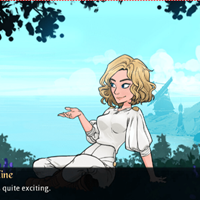
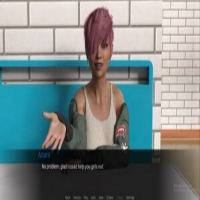
The art style favors readability and character over realism, with expressive illustrations and clear environmental cues that support quick comprehension on smaller screens. Seasonal color palettes and UI accents help differentiate venues, and subtle sound design reinforces important in-game events without demanding constant attention. Audio levels and cues are adjustable in settings, and the visual approach aims to keep focus on strategy and layout rather than visual complexity.
Replayability comes from varied program goals, randomized event combinations and multiple viable approaches to the same challenge. You can prioritize logistics, curriculum depth or participant engagement to change how systems interact, and short session lengths make it simple to play in brief bursts or longer blocks. Regular updates improve stability and add content while a thoughtful tutorial path reduces friction for new players.
That New Teacher Latest is designed to run on a wide range of Android devices with options to reduce graphical fidelity and background processes for older hardware. Load times are kept short and a low-power mode limits effects and frame rate to conserve battery. Core single-player modes are available offline so you can manage workshops without a persistent connection, and a range of assistive settings helps make the game approachable to a broad audience.
New players should begin with the built-in tutorial to learn pacing, room design basics and the most efficient ways to prioritize tasks. Early success in That New Teacher Latest comes from keeping sessions on schedule, investing in practical upgrades and tracking participant preferences to tailor future workshops. With a steady progression loop and meaningful customization options, the title offers a strategic management experience centered on professional growth and creative problem solving.