
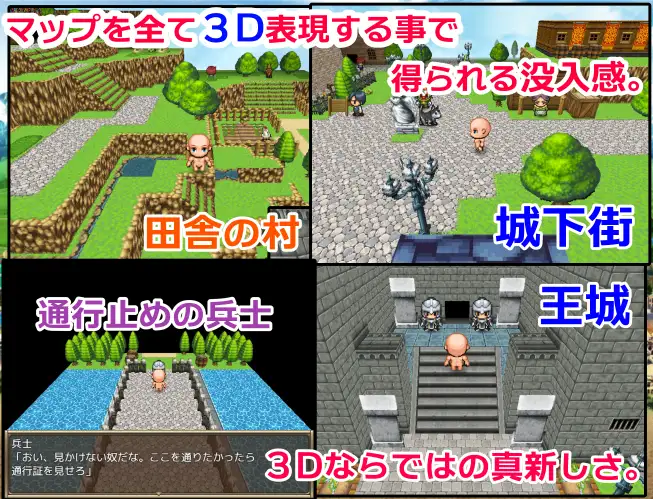
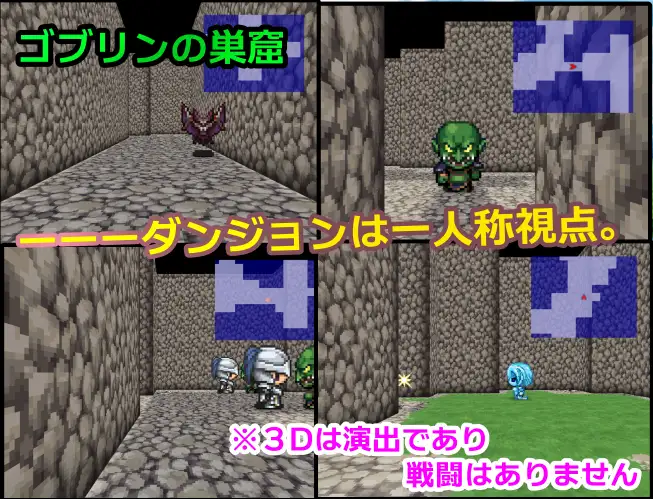

NPC non-consensual-act-3D is a narrative-driven 3D experience that explores the complexities of interpersonal boundaries, consent, and decision-making through interactive scenarios. The app places emphasis on responsible storytelling, offering branching narratives, learning-focused mechanics, and configurable safety options for players seeking a challenging moral simulation.
Rather than presenting gratuitous content, NPC non-consensual-act-3D frames its scenarios as ethical simulations that let players navigate difficult conversations and consequences. Players assume the role of a character in a series of interconnected scenes where choices influence NPC reactions, reputation systems, and branching outcomes. The goal is to encourage reflection on consent, bystander intervention, and conflict resolution within a controlled virtual environment.
The system uses dialogue trees, relationship meters, and contextual prompts to model social dynamics. NPC non-consensual-act-3D tracks decisions across sessions, adjusting NPC trust and event triggers. Gameplay emphasizes timing, tone, and de-escalation tools: you will select dialogue options, use environmental cues, and apply in-game resources such as safe words, refusal mechanisms, or support contacts to affect outcomes.
Scenarios range from brief vignettes to extended multi-stage chapters set in diverse locations like dorms, public spaces, and workplaces. Each scenario has clear learning objectives and unlocks deeper case studies as you progress. The progression system rewards thoughtful choices, restorative outcomes, and evidence-based strategies rather than pure “win” states, encouraging players to revisit scenes with different approaches.
Designers built NPC non-consensual-act-3D with configurable content filters and accessibility controls. Users can adjust intensity levels, enable content warnings, and toggle optional briefing materials before each scenario. The app also offers subtitle options, simplified controls for assistive devices, and language settings to reach a broader audience.
Beyond gameplay, the app includes a resource hub with clearly cited information about consent, legal frameworks, and support services. Interactive debriefs after scenarios present context-sensitive tips and highlight alternative approaches. For institutions, NPC non-consensual-act-3D provides exportable reports and anonymized session logs to help educators or facilitators guide follow-up discussions.
The tone is sober and reflective: animations and 3D assets are used to support empathy and clarity rather than sensationalism. NPC behaviors are deliberately varied to represent realistic responses, and emotional feedback is communicated through visual cues, voice lines, and HUD indicators. Players report that the experience is thought-provoking and that the branching consequences encourage repeated playthroughs to test different strategies.
Controls are optimized for touch devices with support for external controllers. NPC non-consensual-act-3D runs smoothly on a wide range of hardware thanks to scalable graphics settings and performance presets. Users can select lower-resolution textures, adjust frame-rate caps, and limit particle effects to maintain stable operation on older devices.
Safety is prioritized through robust moderation tools and clear age gating. The app includes an in-built reporting feature and links to external support organizations. Developers encourage use in supervised educational settings and recommend reviewing content settings before granting access to younger users. NPC non-consensual-act-3D also offers facilitator guides to help structure constructive conversations.
Download, complete the brief onboarding tutorial, and choose your preferred intensity and accessibility settings. New players benefit from starting with guided scenarios and the explanatory notes that accompany each scene. Progress is saved automatically, and the app supports multiple profiles so different users can track personalized learning paths.
NPC non-consensual-act-3D is positioned as a mature, educational tool designed to prompt discussion and improve understanding of interpersonal dynamics. Its combination of interactive scenarios, adjustable settings, and integrated support resources makes it a suitable choice for educators, trainers, and players interested in exploring consent and conflict resolution in a virtual space.