Long Lost Lust is a narrative-driven adventure game that blends emotionally charged storytelling with puzzle exploration and choice-driven outcomes. Players reconstruct fragmented memories, navigate branching conversations, and solve environment-based challenges to reveal hidden truths. The experience emphasizes mood, character development, and meaningful decisions over action-focused gameplay.
Long Lost Lust unfolds across a series of interconnected scenes where exploration and dialogue take priority. The core loop alternates between investigating detailed environments and engaging in conversation trees that shift character relationships. Instead of combat, the game challenges players with inventory puzzles, environmental riddles, and moral choices that alter subsequent opportunities and narrative beats.
Progress in Long Lost Lust is measured by recovered memory fragments and the depth of character bonds you forge. Choices are persistent: a seemingly small line of dialogue can unlock alternative scenes later, while solving optional puzzles can reveal backstory and unlock new endings. The progression system encourages replayability by tracking which narrative branches you’ve explored and which remain locked.
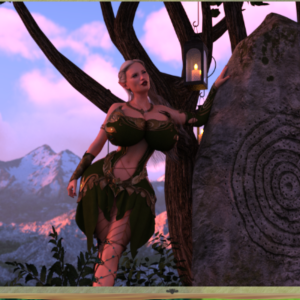
The game features a handful of carefully designed locales — intimate interiors, quiet town streets, and evocative natural settings. Each area is layered with interactive objects that provide clues or unlock new conversation lines. Encounters are scripted to feel personal and paced; NPCs have distinct motivations and react believably to your decisions, which keeps exploration rewarding and emotionally resonant.
Characterization is central to the experience. Dialogue is crafted to reveal personality through tone and subtext rather than explicit exposition. Main characters evolve as you interact with them, and the writing leans into nuance, leaving room for interpretation. Players who enjoy character-driven stories will find the cast compelling and the emotional arcs thoughtfully executed.
Controls are streamlined for mobile play: tap-to-examine, drag to move inventory items, and simple gesture-based navigation for scene transitions. Puzzles are designed to be intuitive on touchscreens, balancing challenge with accessibility. Hints are available for players who prefer to focus on narrative flow, and difficulty can be adjusted by toggling clue frequency and puzzle complexity.
The visual presentation favors atmosphere over flashy effects, using a muted color palette and detailed backgrounds to reinforce tone. Animations are subtle and used sparingly to accentuate key moments. Sound design complements the visuals with an ambient score, reactive voice snippets, and environmental audio that enhances immersion without overwhelming dialogue or narrative pacing.
Long Lost Lust is optimized for a wide range of Android devices. The developers prioritize stable frame rates and modest memory usage so scenes load quickly and transitions remain smooth. Graphics settings can be adjusted to improve performance on older hardware, and save data is lightweight to support cloud backup or local storage without burdening device resources.
Players report that patience and curiosity are rewarded: inspect objects thoroughly, revisit locations after key conversations, and experiment with different dialogue options to uncover hidden threads. Because narrative branches can diverge significantly, consider keeping multiple save files if you want to explore alternate outcomes without replaying from the very beginning.
Long Lost Lust delivers a contemplative, choice-rich experience that prioritizes story depth and emotional nuance. Its blend of thoughtful writing, accessible mechanics, and atmospheric presentation makes it a strong pick for players who enjoy narrative adventure games with meaningful consequences and replay value.