Fuckerman: Cunniversity is a mature-themed strategy game that blends campus parody with light tactical progression, putting the player in charge of a ragtag cast as they navigate episodic missions on a stylized school setting. The title focuses on planning, decision-making, and narrative choices rather than fast reflexes, and it presents its humor through caricatured characters and situational comedy rather than explicit content.
At its heart, Fuckerman: Cunniversity structures play around a semester-style cycle of missions and events. Each episode presents specific objectives and obstacles that require players to weigh trade-offs, recruit allies, and choose which social activities to attend. The game favors a puzzle-like approach to encounters: outcomes are shaped by preparation and attribute management rather than button-mashing. Dialogue-driven scenes and short scene-based challenges keep the pacing varied, alternating quick decision points with longer narrative beats.
The gameplay balances simple, touch-friendly controls with deeper strategic systems. Encounters are often abstracted into mini-games or stat comparisons where core attributes such as charm, wit, and influence determine success. Event selection is a persistent mechanic: picking the right activities yields reputation, items, or story progress. Resource management plays a central role — players allocate time and in-game currency to upgrades, favors, or study sessions that unlock new options. Branching dialogue systems allow social interactions to affect relationships and open alternative mission paths, and the built-in tutorial demonstrates how choices ripple forward to influence later scenarios. The controls are optimized for tap-and-swipe interactions on mobile devices, with clear confirmations to avoid accidental actions, and most mechanics can be accessed offline so sessions remain convenient when you don’t have a connection.
Progression in Fuckerman: Cunniversity is steady and meaningful: characters gain perks and new abilities as the player completes missions, and recruiting different teammates expands tactical options. The cast is written with comedic intent but each member contributes distinct bonuses and situational strengths, encouraging experimentation with different rosters. Multiple endings and unlockable side missions encourage players to replay earlier content to explore alternate storylines and outcomes. Unlock systems include character-specific perks, mission types that become available after certain upgrades, and cosmetic unlocks tied to in-game achievements, all of which add long-term goals without overwhelming short play sessions.
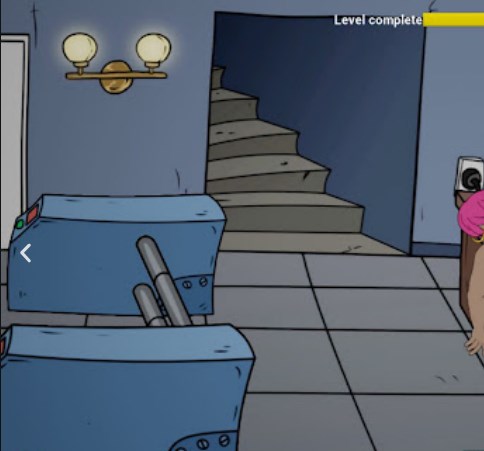
Customization in the game focuses on non-explicit cosmetic choices and team composition. Players can change outfits, accessories, and other visual elements to alter the group’s comedic tone without affecting ratings or introducing explicit material. The art direction uses a bright, exaggerated palette and caricatured character designs that underline the satirical campus setting; environments read as playful parodies rather than realistic depictions. These stylistic decisions keep the presentation tongue-in-cheek and accessible while preserving clarity of UI elements and character expressions during dialogue and mission sequences.
The interface emphasizes readability and quick access: HUD elements display objectives, available actions, and character states with straightforward icons and short tooltips. Menus are designed for touch, with tap-to-confirm interactions and fast access to character sheets and mission briefings. Accessibility options include adjustable text sizes and several difficulty settings so players can tailor the experience to their preferences. Performance settings allow the game to run smoothly on mid-range devices by lowering visual effects, and the app has modest storage requirements and regular updates that add new missions or seasonal content. Installation follows standard app distribution channels and the game supports offline play for most single-player features.
Early on, prioritize events that yield long-term benefits such as permanent perks or reputation gains rather than short-lived rewards. Balance your roster by recruiting allies with complementary strengths so you are prepared for varied mission types. Save currency for upgrades that unlock new mission classes or story branches rather than spending on one-off items. Use the tutorial and early missions to learn how attribute checks are weighted, and revisit earlier episodes once you’ve unlocked new perks to discover alternate outcomes and additional side content.