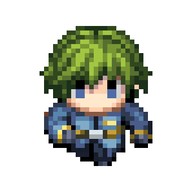




Rendered Hearts delivers a tactical action experience blending puzzle-like combat with character progression and striking low-poly visuals. Players assemble squads, time abilities, and explore interconnected maps while upgrading gear and skills. The game balances short missions with longer campaigns to suit both quick sessions and extended play.
Rendered Hearts places emphasis on deliberate decision-making rather than fast reflexes. Each encounter reads like a small puzzle: positioning matters, ability cooldowns force tradeoffs, and environmental hazards change how you approach fights. Progression is gradual but meaningful, with new mechanics introduced steadily so the learning curve stays engaging without feeling overwhelming.
The primary loop in Rendered Hearts is simple to grasp. You select a team, tackle a level, collect rewards, and use those rewards to improve your roster. Combat combines timing-based inputs and spatial awareness: attacks can be aimed, dodges have brief invulnerability windows, and some skills alter the battlefield itself. It’s a game that rewards planning and experimentation.
Character development in Rendered Hearts centers on choices rather than raw numbers. New skills unlock in a branching progression tree, and gear provides modifiers that change how abilities behave. Building a successful team often means combining a crowd-control specialist with a durable frontliner and a burst damage dealer. The game encourages testing different synergies, and the reward pacing avoids forcing players into repetitive grind loops.
Levels vary from tight indoor arenas to open outdoor stages with elevation differences and interactive objects. Side objectives and optional mini-bosses give veteran players extra challenges, while procedural elements keep repeat runs fresh. There are short story missions woven into the campaign alongside daily challenges and rotating objectives that boost replay value.
The UI in Rendered Hearts focuses on clarity: ability icons, cooldown timers, and health bars are easy to read even on smaller screens. Controls are optimized for touch: swipe for movement, tap for basic attacks, and simple gestures for ultimate abilities. Performance is generally stable, with low-poly visuals helping maintain steady frame rates across a range of devices.
What sets Rendered Hearts apart is the way it blends tactical depth with brief, satisfying play sessions. It’s not a game that demands hours-long commitments; instead it offers layered systems that reward attention and strategy. The aesthetic choices help it feel modern without sacrificing readability, which is particularly important for touch-based gameplay.
Installation is straightforward: download, grant necessary permissions, and follow the in-game tutorial to learn basic controls. The tutorial is hands-on and introduces core mechanics across a few short levels so you can jump into the campaign quickly. For players who prefer a gentler pace, optional challenge levels let you practice specific mechanics before moving on to tougher content.
Rendered Hearts strikes a balance between accessibility and depth, making it a compelling option for mobile players who enjoy tactical games with strong progression systems and a distinct visual style.