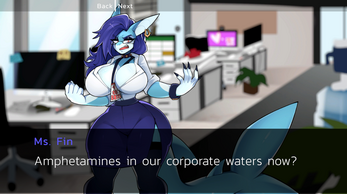



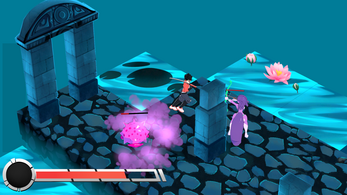
The After Hours: Office Predators is a tense stealth-survival game that drops players into a dimly lit corporate building where danger waits in every cubicle. Combining strategic planning, resource management, and reactive stealth, the title challenges you to survive the night while uncovering hidden threats and navigating dynamic patrols.
The After Hours: Office Predators mixes atmospheric tension with puzzle-like encounters. Players must explore floors, disable systems, and avoid or outsmart hostile entities roaming the corridors. The game blends slow-burn horror elements with deliberate gameplay that rewards observation and cautious decision-making rather than run-and-gun tactics.
At its core the game emphasizes stealth, timing, and environmental interaction. You’ll use cover, sound masking, and limited gadgets to slip past patrolling predators. Each level feels like a layered puzzle: guards follow schedules, lights can be manipulated, and audio cues often reveal enemy positions. Progression unlocks new tools but never removes the need for careful planning.
What separates The After Hours: Office Predators from other stealth titles is its setting and emergent encounters. The office layout changes slightly between runs, turning familiar routes into new challenges. Predators do not always behave predictably, which forces players to think on their feet and adapt strategies, making every session feel fresh.
The toolkit available is compact but meaningful. Items include temporary sound emitters, portable darkness devices, and one-use distractions. There’s also a basic hacking mini-game to access locked rooms or reroute cameras. Managing battery life and consumable supplies becomes a central part of the decision loop, adding weight to each choice.
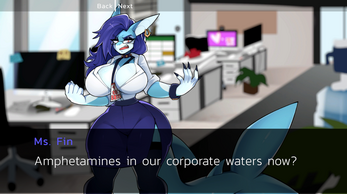
Levels range from open-plan floors to cramped supply closets and maintenance shafts. The art direction focuses on moody lighting and realistic office detailing, which enhances both immersion and tension. NPCs — both hostile and neutral — populate the building, each contributing to a living ecosystem that reacts to your actions.
Controls are designed for clarity. Context-sensitive prompts and a minimalist HUD keep attention on the environment. The interface provides quick access to inventory and a rudimentary map that marks known threats and points of interest. The controls work well for touchscreen and controller setups, offering smooth camera adjustments and precise movement inputs.
Progression in The After Hours: Office Predators is incremental. Completing objectives unlocks permanent upgrades, such as longer device duration or improved stealth skills. Procedural elements and multiple mission outcomes encourage replay, while optional objectives reward exploration and cunning approaches.
Performance is polished across devices, with stable frame rates and responsive input. Sound design plays a significant role: subtle audio cues can make the difference between a narrow escape and a restart. Visual settings allow players to balance fidelity and performance depending on hardware.
There’s a satisfying tension to mastering environments and anticipating threats. The After Hours: Office Predators rewards patience and creativity, delivering memorable moments when a carefully laid plan unfolds perfectly. A strong community of players shares strategies and speedrun techniques, further extending the game’s life.
New players should begin on the easier difficulty to learn enemy behaviors and tool functions. Spend time exploring the tutorial and experimenting with gadgets in low-stakes corridors. Once comfortable, increasing difficulty introduces more complex patrol routes and tighter resource constraints that put your skills to the test.