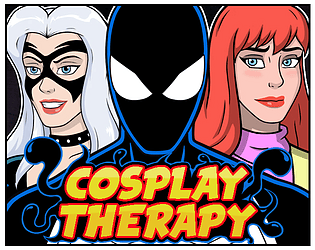

Cosplay Therapy is a stylish dress-up simulation that blends creative character design with light narrative moments, photo-ready stages, and social sharing. Players customize outfits, practice poses, and progress through themed events while collecting accessories, unlocking costumes, and improving their stylistic skill in short bite-sized sessions.
Cosplay Therapy centers on creating memorable looks rather than fast-paced action. Each level presents a theme or brief scene that challenges players to match mood, color palette, and character personality. Rewards come as cosmetic items and story beats, encouraging experimentation without penalizing trial-and-error play.
The gameplay loop is straightforward: choose a base character, mix garments and props, fine-tune hair and makeup, and then stage a pose in a scene. Success depends on visual harmony and how well your design addresses scenario prompts. Many tasks include optional constraints, like era-specific accessories or limited budget points, which add tactical decisions to wardrobe choices.
Characters in Cosplay Therapy have distinct silhouettes and backstories that influence available costume slots and player goals. Early levels teach basics of layering and color contrast, while later sections introduce multi-piece sets, animated effects, and collaborative events. Progression is tied to experience points earned from evaluations and special daily challenges.
Customization is a highlight. The app features a broad library of outfits, wigs, makeup palettes, and props. Pieces can be combined, recolored, and upgraded. A simple crafting system uses in-game materials to merge items or unlock alternate styles. For creative players, these tools let you rebuild classic looks or invent original concepts.
The presentation leans into polished 2D art with clean UI elements that keep focus on styling choices. Controls are touch-friendly: drag-and-drop clothing, pinch-to-zoom, and gesture-based pose adjustments. The interface minimizes clutter while providing quick access to inventories, score breakdowns, and outfit presets. Performance remains stable on mid-range devices, with options to reduce particle effects for older hardware.
Cosplay Therapy includes a gallery where players can publish stage photos, follow creators, and vote on community submissions. Seasonal contests and themed exhibitions foster friendly competition, and a duet mode allows two players to coordinate complementary looks for paired scenarios. Sharing integrates native social intents so screenshots and clips export cleanly to external platforms.
These practical moves shorten the learning curve and improve scores during judged events.
Players praise Cosplay Therapy for its accessible creative systems and calming pace. The app rewards visual thinking more than reflexes, making it attractive to hobbyists, aspiring designers, and casual players seeking low-pressure progression. Regular content drops keep the item catalog fresh and invite experimentation.
Installation is simple: download, complete a brief tutorial, and you receive starter costumes to begin customizing immediately. The onboarding walks new users through posing, scoring mechanics, and sharing tools so you feel ready to participate in community events on day one.
If you enjoy methodical design play with social elements and steady reward loops, Cosplay Therapy is worth a try. It blends approachable mechanics with depth for players who want both quick sessions and long-term collection goals.