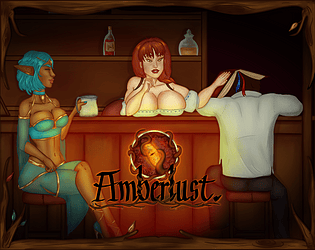

Amberlust is a tactical action RPG that blends fast combat with thoughtful character building. It encourages exploration across varied biomes, deep gear progression, and player-driven tactics. Newcomers and veterans can find layered systems to master, from timing-based combos to long-term resource management across campaigns.
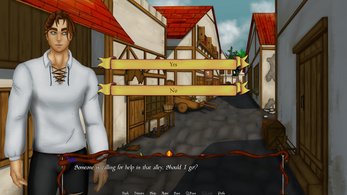
At first glance Amberlust presents a polished interface with clear HUD elements and a bold art direction. The opening hours focus on movement, basic attacks, and environmental awareness, letting players feel the responsiveness of controls before deeper mechanics unlock. Performance is steady on mid-range devices, and animation quality helps each encounter feel impactful.
Amberlust centers on short, intense runs into procedurally arranged areas. Players enter missions to gather resources, defeat bosses, and retrieve artifacts that alter character growth. Combat uses a blend of light and heavy attacks, dodge mechanics, and timing windows that reward skillful execution. Many encounters require adaptive strategy rather than brute force, encouraging build experimentation.
Characters in Amberlust are defined by archetypes: balanced fighters, stealth-oriented scouts, and heavy-hitters who soak damage. Each class receives unique skill trees and unlock nodes that change how abilities behave. Progression mixes permanent upgrades with temporary run-based buffs, creating satisfying long-term goals while keeping individual sessions unpredictable.
Gear plays a pivotal role. Weapons have distinct attack patterns and scaling, while armor can shift defensive playstyles. Amberlust lets players socket modifiers into equipment, altering elemental affinities and cooldowns. The crafting system allows salvaging unwanted loot into upgrade materials, so inventory decisions carry weight and strategy.
Maps vary from misty forests to ruined fortresses, each packed with interactive elements and hidden shortcuts. Enemy design encourages recognition and adaptation: some foes punish reckless approaches, others demand crowd-control or ranged tactics. Boss encounters often introduce new mechanics mid-fight, requiring players to adjust on the fly and plan for recovery windows.
Amberlust supports solo runs and cooperative play. Co-op adds tactical depth by encouraging role specialization and timed combo setups between players. Social features include shared objectives, trade for crafted items, and cooperative challenges that scale difficulty with the party size. Community-driven leaderboards reward efficient runs and creative build strategies.
The game’s aesthetic blends hand-painted backdrops with detailed character models. Lighting and particle effects elevate special attacks without overwhelming clarity. Settings allow players to adjust graphical fidelity and performance targets. On most devices the frame rate remains consistent; specific older hardware may require lowering shadow or texture options.
Amberlust’s mix of short, rewarding sessions and long-range progression loops makes it easy to pick up for ten minutes or commit to lengthy runs. Its build diversity and procedural elements ensure encounters rarely feel repetitive. Regular content updates and seasonal events introduce fresh challenges and keep the community engaged.
New players should prioritize learning one character archetype and their core combo rhythm. Spend early currency on reliable gear upgrades rather than rare gamble items. Join community groups or co-op matches to learn advanced tactics and accelerate progression. With practice, Amberlust reveals deeper layers of strategy and satisfying mechanical depth.
Overall, Amberlust is a well-rounded title for players who enjoy tactical combat, meaningful customization, and cooperative play. It rewards observation and experimentation, delivering a steady stream of new challenges as players refine their approach and builds.