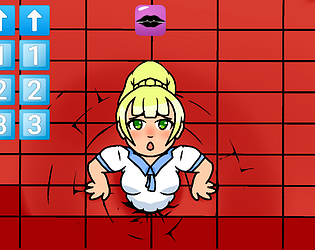
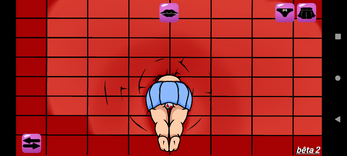
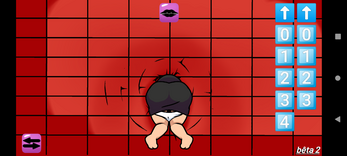
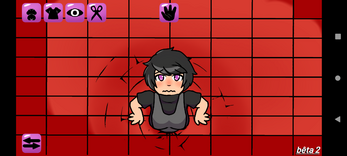
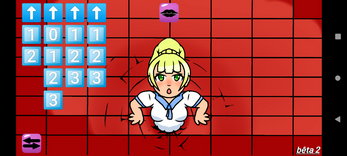
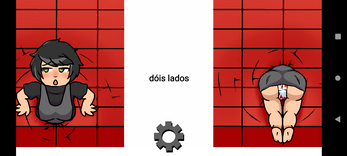
Two sides is a tactical puzzle-action hybrid that pits opposing forces across shifting arenas. Players alternate control between two linked characters, solving environmental challenges, timing abilities, and outmaneuvering enemies to progress. Its compact levels emphasize precision, planning, and quick adaptation while revealing new mechanics as you advance.
At its core, Two sides blends tight level design with a clever dual-character mechanic. Each stage asks you to think in pairs: how one avatar’s move affects the other, what obstacles can be manipulated, and when to sacrifice position to open a path. The result is a steady learning curve that rewards observation and experimentation rather than fast reflexes alone.
Every run in Two sides centers on navigating compact maps filled with switches, hazards, and enemies. You alternate direct input between characters or issue simultaneous commands depending on the mode. Many puzzles require sequencing — trigger a lever on the left to create a bridge on the right — while combat encounters pepper the progression to test timing and resource use.
The game introduces several interlocking systems that shape strategy:
Characters in Two sides are distinct in role but simple to learn. One tends to specialize in mobility while the other handles interaction with devices. Unlockable perks expand toolkit options, allowing different approaches to the same puzzle — stealth, brute force, or timing-based solutions are all viable. Progression feels steady, with each completed level offering either a new mechanic or a twist on a familiar one.
The interface keeps focus on the level rather than flashy HUD elements. Controls are responsive and minimal: move, interact, and swap focus. The camera stays tight to the action, ensuring puzzles are readable without unnecessary visual clutter. On mid-range devices the game maintains smooth frame rates, while higher-end phones show off subtle visual effects without compromising performance.
Two sides favors a restrained visual style that highlights level geometry and interactive elements. Lighting cues and color contrasts guide attention subtly, so you rarely feel lost. The soundtrack underscores tension during tricky sequences and relaxes for exploration, supporting the pacing without dominating it.
Approach early levels like lessons. Pause and scan the entire room before committing to a move. Use the swap mechanic deliberately — sometimes standing still with one character while the other explores reveals the solution. When facing enemies, consider environmental hazards as tools: lure foes into traps or use timed platforms to separate them.
Rather than relying on lengthy open worlds, Two sides concentrates on compact, high-quality puzzles that iterate on a single strong idea. The linked-character mechanic creates interesting cognitive challenges that feel fresh throughout the campaign. Designers toy with player expectations by reusing familiar components in surprising combinations.
Installation is straightforward: small download size and a quick initial load. The settings menu provides basic options to tweak controls and visual fidelity for battery or performance preferences. If you prefer a less punishing experience, enable easier checkpoint spacing where available.
Two sides is a thoughtful puzzle-action title that rewards careful play and creative problem solving. Whether you enjoy methodical planning or figuring out clever interactions between systems, the game provides satisfying moments of discovery across compact, well-crafted levels.