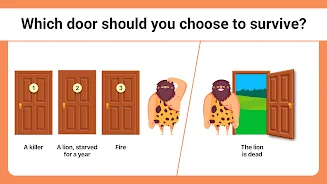
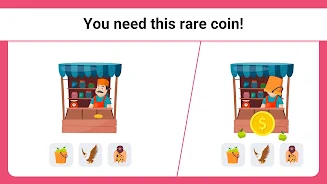
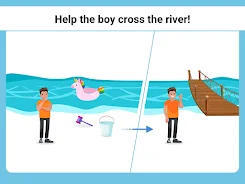
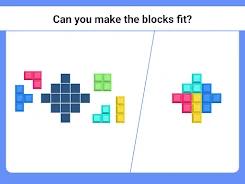
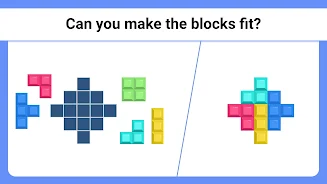
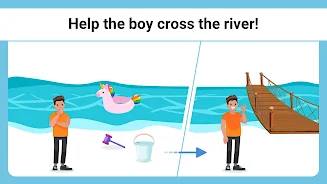
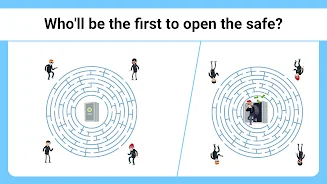
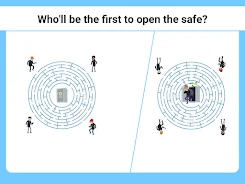
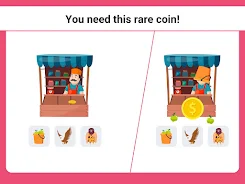
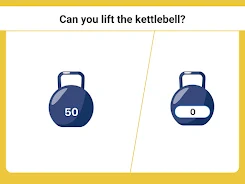
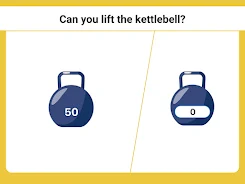
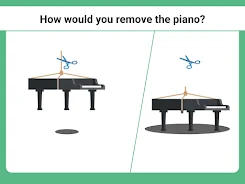
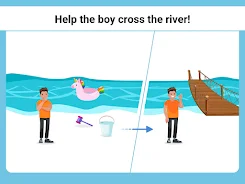
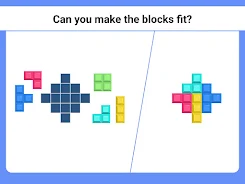
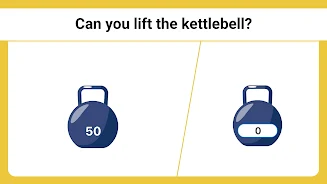
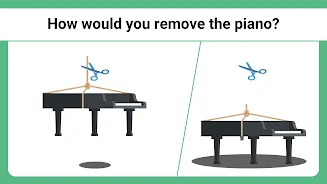
Easy Game is a casual action title that blends bite-sized challenges with approachable controls, delivering quick pick-up sessions and steady progression. Designed for short bursts or longer runs, it emphasizes clear goals, fast feedback, and a steady difficulty curve that keeps players engaged without overwhelming newcomers.
At its core, Easy Game focuses on tight mechanics and level design that reward timing and planning. Levels are concise but layered, with environmental hazards and optional objectives that encourage replay. Visual cues are clear, and the learning curve introduces new elements one at a time.
The gameplay centers on navigating compact stages while collecting items, avoiding traps, and reaching a finish marker. Each run typically takes under five minutes, which makes sessions satisfying for commuters or short breaks. Progress is measured through stars, unlockable content, and incremental upgrades that subtly change how later stages play.
Easy Game uses a simple input scheme that scales with player skill. Basic movement and one or two action buttons are all that’s required, but combinations and precise timing unlock advanced moves. Environmental mechanics — moving platforms, timed switches, and enemy patterns — create puzzles that feel fair rather than punitive.
Levels are grouped into thematic zones with distinct visual styles and hazards. Early zones introduce single mechanics; later stages combine them to create multi-step challenges. Difficulty ramps smoothly, providing frequent checkpoints and small rewards that make progression feel meaningful without long grind sessions.
Character systems are deliberately lightweight. Players can unlock skins and minor stat modifiers, but the game avoids heavy RPG-style customization. Progression leans on player skill and route optimization rather than gear checks. This keeps the learning experience open and fair to all players.
The art direction favors readability: clear silhouettes, contrasted foregrounds, and readable enemy animations avoid confusion during hectic moments. Sound effects give immediate feedback for successful combos or near-misses, and the music adapts to stage tension to heighten immersion without becoming repetitive.
Menus are minimalist, with quick access to level select, upgrades, and leaderboards. The in-game HUD shows only essential information, so the screen remains uncluttered. Touch controls are responsive, and there are settings for sensitivity and button layout to match different playstyles.
While primarily a single-player experience, Easy Game includes asynchronous leaderboards and time trials that encourage competition. Players can compare best times and scores on global boards, which adds replay value for those chasing mastery.
These small habits transform short practice runs into steady improvement, which is satisfying even for casual users.
Optimized for a wide range of devices, the game runs smoothly on older hardware while scaling visuals on modern phones and tablets. Battery usage is moderate, and a low-power mode is available for extended sessions without sacrificing responsiveness.
Download, grant the minimal permissions required, and jump into the first tutorial. The onboarding process is short and interactive, teaching movement and the first few mechanics in under two minutes. From there, a clear progression map helps players choose levels that suit their comfort and goals.
Easy Game delivers an accessible yet deep experience that rewards practice and clever play. Its minimal progression systems, readable presentation, and concise level design make it a strong pick for players seeking engaging short-session gameplay with enough challenge to keep nights and commutes interesting.