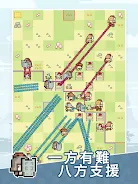


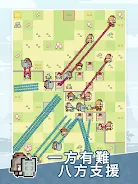
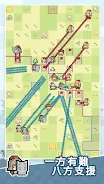
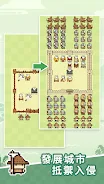
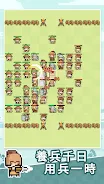
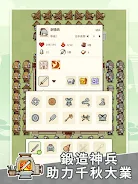

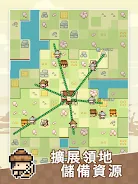
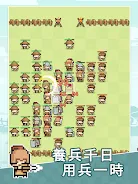
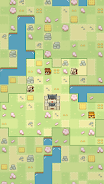
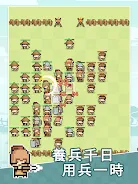
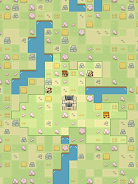
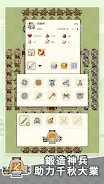
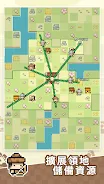
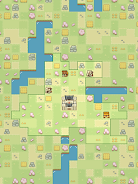
NINETY THOUSAND ACRES is an atmospheric farming and exploration game that blends survival, resource management and slow-burn narrative objectives across a broad open map, offering a measured sandbox experience for players who prefer planning over frantic micromanagement. This editor overview of NINETY THOUSAND ACRES explains what to expect in early sessions, how the core loop unfolds, and why steady progression and layout choices matter to long-term success. If you like methodical pacing, thoughtful base design and the satisfaction of incremental improvement, this title rewards careful decisions as much as time spent exploring.
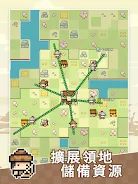
The game centers on a clear, repeatable loop: explore new areas to find resources and blueprints, gather and process materials, use those materials to build or repair infrastructure, and then refine tools and production to make future work easier. Typical daily tasks include sowing seasonal crops, tending livestock, foraging wild nodes and restoring derelict structures. Exploration yields new biomes, optional side missions and story fragments that gradually expand available recipes and building plans, so exploration always feels meaningful rather than purely cosmetic.
Mechanically, success depends on maintaining reliable resource flows and sensible task scheduling. Players must balance short-term needs such as food and fuel with longer-term investments like irrigation systems, workshops and energy storage. Strategic choices—crop rotation to match seasons, placing windbreaks to reduce climate damage, or arranging processing stations to minimize travel—affect efficiency. Combat is limited and situational, focused on defense and preparedness, which keeps emphasis on logistics rather than action-oriented play.
The map is divided into distinct regions that layer progression naturally: forgiving starter zones for learning mechanics, intermediate areas with managed risks and richer rewards, and harsher late-game landscapes that require upgraded gear and careful planning. Environmental rules differ by region, introducing weather effects, resource scarcity, and multi-stage environmental puzzles. This structure encourages players to consolidate a reliable home base before tackling more challenging territories, while still offering meaningful rewards for exploration.
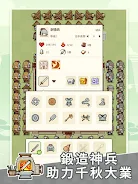
Progression ties to upgrading tools, expanding facilities and unlocking new crop varieties and production chains. Reputation with local NPC communities unlocks missions and narrative threads that provide crafting schematics and new objectives. The principal challenges are environmental and logistical: changing seasons, limited storage and occasional supply bottlenecks force prioritization. These systems encourage players to schedule projects across days and weeks, so the feeling of advancement is steady rather than sudden.
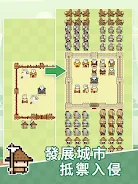
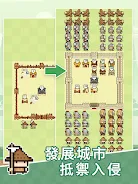
Base building combines practical choices with aesthetic options so players can design an efficient homestead that also reflects personal taste. Small farms can grow into complex compounds with barns, greenhouses, processing structures and off-grid energy systems like solar arrays and rain collectors. Layout decisions—placing storage close to processing stations, grouping workshops near resource drop-off points, or dedicating sheds for maintenance—affect daily throughput and long-term expansion potential. Decorative elements let you personalize without unbalancing progression.
The presentation favors a calming, stylized look with soft lighting, textured art and ambient soundscapes that support immersion. Dynamic audio cues alert you to approaching storms, animal distress or production completions, while a responsive soundtrack adapts to activities like harvesting or exploration. Visual indicators for time of day and seasonal shifts are clear and informative, helping players plan tasks and appreciate the passing of in-game time.
Controls are tuned for touch devices with contextual menus, drag-to-place building mechanics and simplified interactions to keep core systems approachable on phones and tablets. The interface scales across screen sizes and includes options for graphical quality and battery saving to maintain steady performance as bases grow. Accessibility features—adjustable text sizes, color contrast settings and reduced input complexity—make the experience more comfortable for a wider audience, and tooltips clarify systems for new players.
The game supports offline play so you can manage your farm and explore without a constant network connection, which makes short sessions and long campaigns equally practical. Replay value comes from varied biome layouts, multiple viable build strategies and the partially procedural placement of resource nodes that alter each playthrough. New players are advised to spend initial hours learning tool upgrades, securing a stable food chain and scouting promising homestead locations; these early investments pay off as you unlock higher-tier recipes and production chains.
Overall, NINETY THOUSAND ACRES offers a paced, thoughtful sandbox where deliberate planning and incremental improvement drive the most satisfying moments. Whether you enjoy plotting efficient workflows, experimenting with base layouts, or slowly uncovering story fragments across the map, the game provides a steady sense of accomplishment as your land evolves into a functioning settlement.