

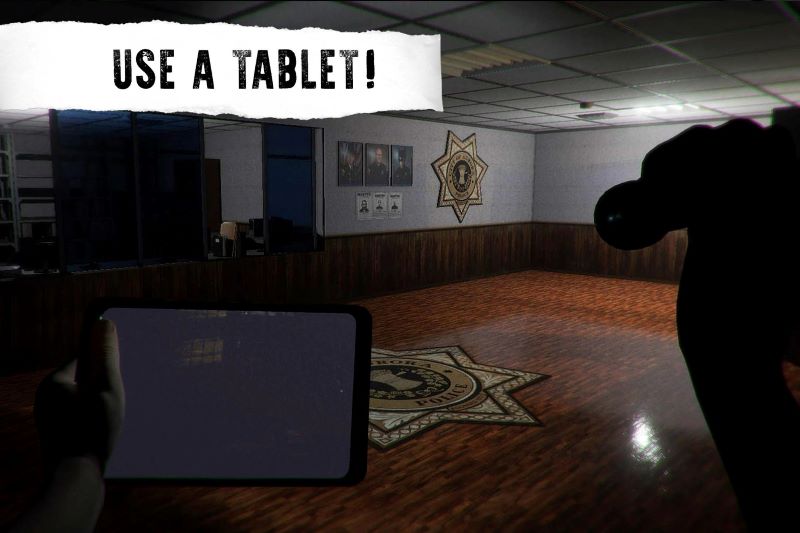
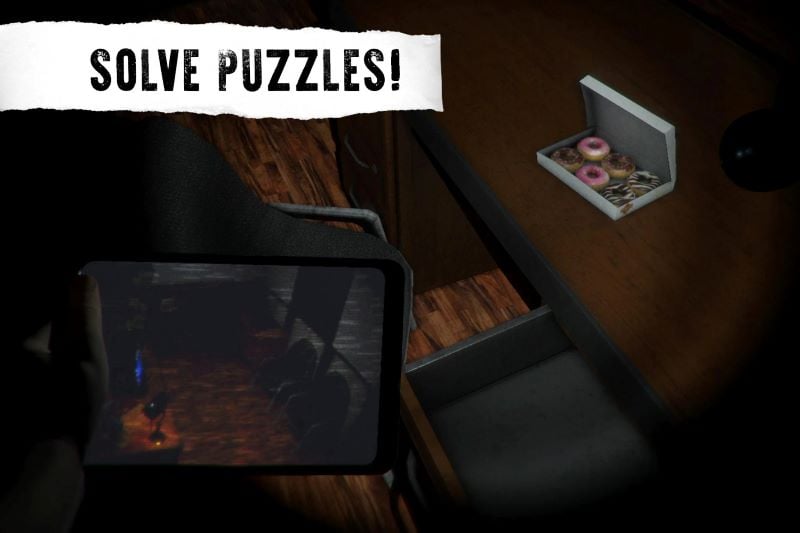

CASE: Animatronics delivers tense, investigative horror where players examine crime scenes and probe haunted exhibits to uncover the truth. Combining puzzle-solving, stealth sequences and environmental storytelling, the game challenges observation and decision-making while a cast of hostile animatronics hunts in dimly lit locations.
From the moment you enter a museum-style facility in CASE: Animatronics, the atmosphere is the star. The title blends detective work with survival horror, emphasizing methodical exploration rather than run-and-gun action. Audio cues and subtle visual details push players to slow down and piece together fragmented narratives as threats close in.
Rather than relying solely on jump scares, CASE: Animatronics focuses on investigative pacing. Players collect notes, analyze photo evidence, and reconstruct timelines while navigating narrow corridors and exhibit halls populated by AI-driven animatronic adversaries. The tension builds from limited resources, obstructed sightlines, and mechanically predictable but relentless enemies.
Gameplay revolves around a few tightly designed systems that reward patience and careful observation. Exploration is interleaved with puzzle solving: lockboxes, wiring puzzles, and photographic comparisons that uncover new leads. Stealth mechanics are simple but effective—crouching, sound management, and environmental distractions help avoid patrols. When confrontation is unavoidable, players must choose between evasion, temporary hiding, or using scarce tools to create openings.
Progress is non-linear. Each completed scene unlocks new areas and reveals more backstory, but not always in a neat order. This fragmented progression encourages replay and re-evaluation of earlier clues. Difficulty ramps through more intelligent enemy patrol routes, tighter resource constraints, and multi-step puzzles that connect different zones.
The cast of animatronics varies in behavior and alertness. Some are slow but powerful, making narrow corridors lethal; others are quick and patrol larger areas, forcing players to time movements carefully. Maps mix claustrophobic maintenance tunnels with broader exhibit rooms that offer both hiding spots and risky exposure. Environmental storytelling—graffiti, discarded props, and damaged displays—amplifies immersion and helps with clue-gathering.
CASE: Animatronics favors moody lighting and practical effects over flashy graphics. Textures and lighting create believable, decaying spaces that read well even on mid-range devices. Sound design is a core element: mechanical whirs, distant footsteps, and distorted children’s melodies cue threats and guide investigation, often before visual confirmation is possible.
Controls are streamlined for touchscreens with a minimal HUD. Contextual interaction prompts help reduce accidental actions during tense moments. Performance is optimized to maintain stable frame rates on a wide range of devices, though players with older hardware may need to lower visual fidelity to avoid stutter during enemy encounters.
Options include adjustable audio levels, subtitle toggles, and sensitivity settings for camera and movement. These help tailor the experience for different play styles and make the game approachable for players who prefer less intense audio cues or slower camera speeds.
Fans praise CASE: Animatronics for its slow-burn tension, intelligent enemy design, and the satisfaction of connecting disparate clues. The experience feels like a compact investigative thriller wrapped in a survival-horror shell, appealing to players who enjoy story-driven puzzles and methodical gameplay.
Download and installation are straightforward. After the initial setup, expect a brief tutorial that introduces core mechanics without holding your hand. New players should spend the first hour learning to read audio cues and catalog clues—these skills pay dividends later. With measured pacing and clever encounter design, CASE: Animatronics rewards players who observe closely and think several steps ahead.