
MapleStory M brings the iconic MapleStory universe to mobile devices with vibrant 2.5D graphics, class-based progression, and cooperative multiplayer. The mobile adaptation preserves fast-paced combat, extravagant character customization, and ongoing live events that keep long-term players engaged across repeatable dungeons and evolving storylines.
MapleStory M recreates the whimsical, side-scrolling adventure of the original MMORPG in a compact, mobile-friendly package. Players explore colorful towns, layered maps, and themed regions while following short quests or joining larger story arcs. The game balances solo-friendly systems and group content so both casual and committed players find meaningful progression.
Combat is action-oriented with auto-attack options and skill buttons for combos and area effects. Progression relies on leveling, gear upgrades, and skill enhancements. Repeatable daily activities, timed events, and dungeon runs provide experience and resources. The pace is approachable — quick sessions remain rewarding, while deeper systems encourage strategic planning and build optimization.
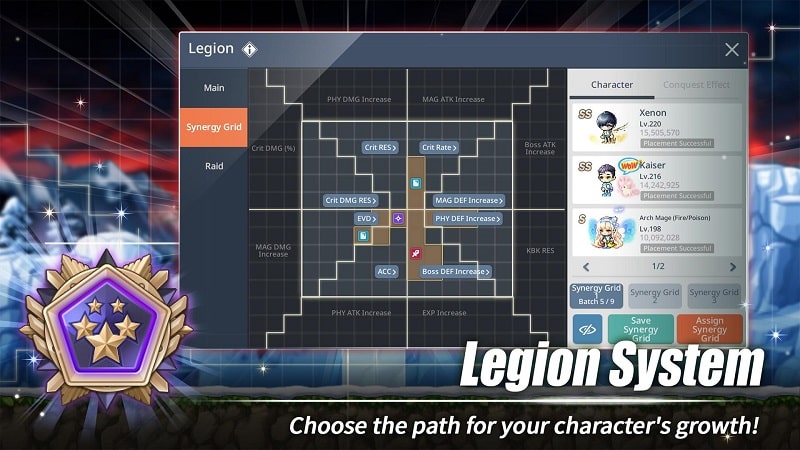
Several interlocking systems define player growth. Equipment rarity affects stat scaling and set bonuses. Skill trees allow for specialization and varied playstyles. Pets and mercenaries automate resource gathering and provide passive boosts. Resource management matters: currencies like mesos, vouchers, and enhancement stones are earned through gameplay or seasonal content.
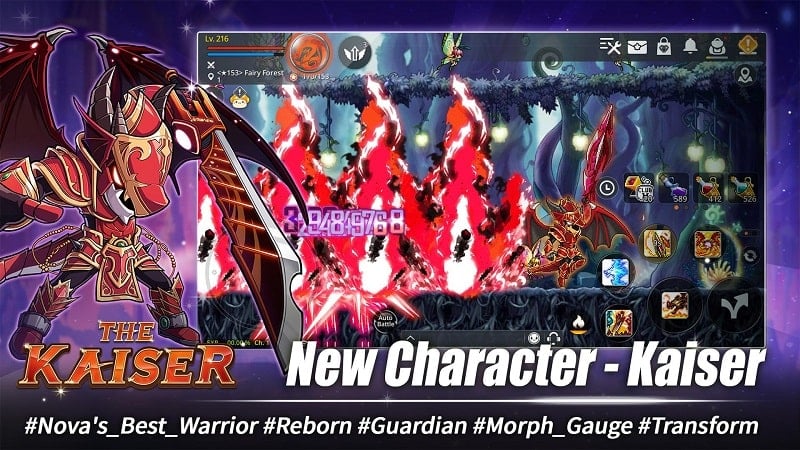
MapleStory M features distinct classes with unique animations and role identities. From agile archers and heavy-hitting warriors to spellcasters and summoners, each class offers a clear combat rhythm. Class mastery increases access to powerful ultimate abilities and passive traits that alter party dynamics. Character progression rewards experimentation — switching builds or reallocating points can refresh late-game play.
Maps are designed with layered platforms, environmental hazards, and secret passages that reward exploration. Instanced dungeons provide concentrated challenges and better drop rates, while world bosses spawn on timers for coordinated takedowns. Boss mechanics introduce pattern recognition and timing, encouraging gear progression and team strategies for higher difficulty tiers.
Party systems and guild features support cooperative play. Players can form squads for dungeons, share buffs, and coordinate world boss attempts. Trading, market houses, and guild shops make item economy meaningful. Seasonal events often center around community goals and cooperative mini-games that highlight social features.
Character customization extends beyond stats. Cosmetic outfits, mounts, emotes, and visual effects let players craft unique looks. Cosmetic items are available through progression, seasonal shops, or limited-time events. The game emphasizes expressive visuals while keeping power progression and cosmetics distinct.
The interface adapts well to touchscreens with customizable HUD elements and shortcut layouts. Performance scales across devices, with options to adjust visual quality and control sensitivity. Load times and matchmaking are streamlined, and the game provides tooltips and quick guides to reduce the learning curve for newcomers.
Getting started is straightforward: download the game, complete the tutorial, and follow early questlines to unlock crucial systems like dungeons and skill upgrades. MapleStory M rewards curiosity, experimentation, and social cooperation, making it a durable mobile adaptation for both veterans of the series and new players discovering the world for the first time.