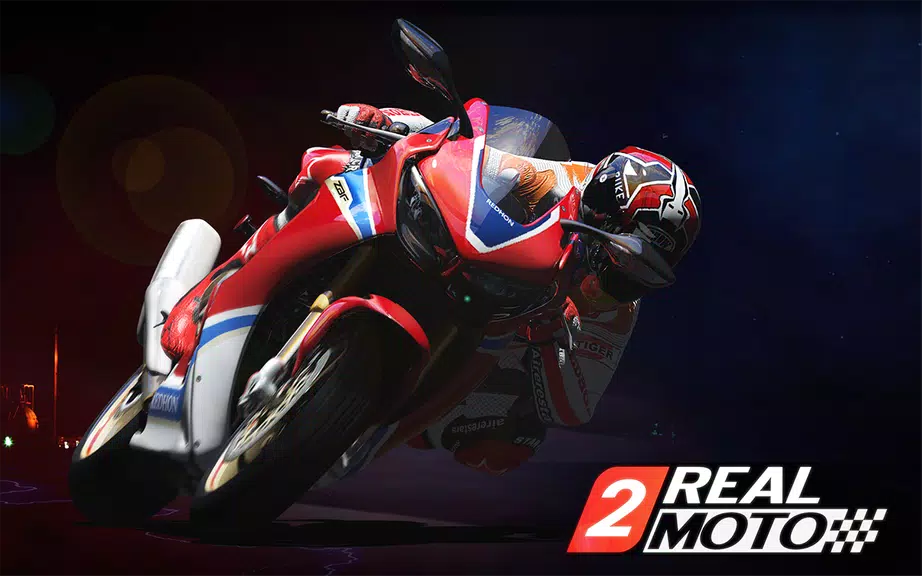
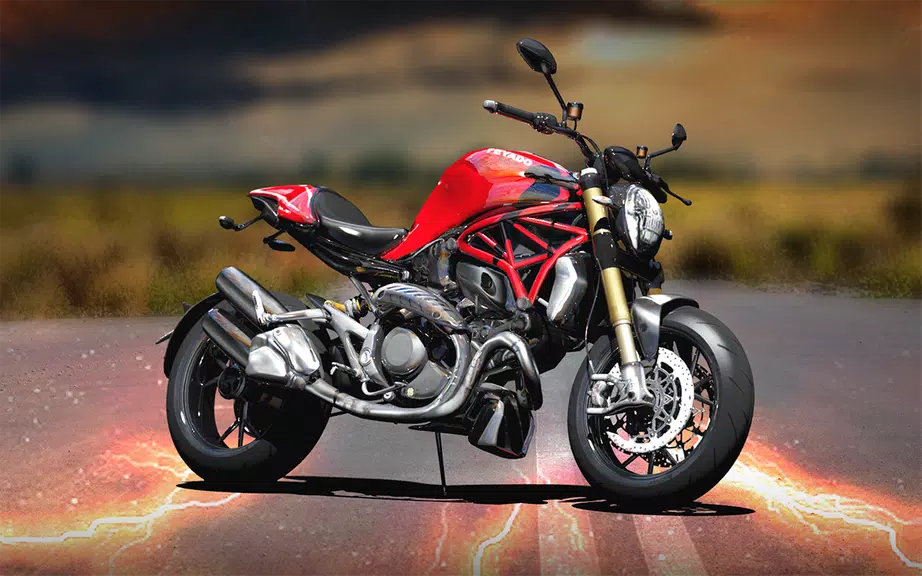
Real Moto 2 delivers arcade-style motorcycle racing with approachable controls and a surprising depth of content, blending single-player challenges and online competition. Players jump into dynamic tracks, tune bikes, and chase time-based objectives while enjoying crisp visuals and responsive handling that suit short sessions or longer play.
At its core, Real Moto 2 is a mobile-first racer that balances realism and accessibility. The experience emphasizes momentum, cornering, and timing more than hyper-realistic simulation, so newcomers can make progress quickly while experienced riders find room to master advanced techniques.
Gameplay revolves around a few interlocking systems: throttle and brake control, lean and drift mechanics, and nitro boosts. Races vary from short sprints to longer circuits with traffic and environmental hazards. Each track rewards clean lines and momentum conservation; hitting boost at the right moment can shave seconds off a lap.
Real Moto 2 features a roster of motorcycles sorted into classes that determine top speed, acceleration, and handling. Progression is driven by currency earned in races, allowing upgrades to engine parts, tires, and suspension. Upgrades change how a bike behaves: heavier components add stability while lighter builds favor agility.
The track design mixes urban circuits, coastal roads, and off-road shortcuts. Each environment introduces distinct challenges like narrow city alleys, winding mountain passes, or slippery asphalt after rain. Dynamic elements—moving traffic, changing weather, and occasional obstacles—keep races unpredictable and encourage track memorization.
Beyond performance tuning, Real Moto 2 provides visual customization options. Players can change paint jobs, decals, and rider gear. Cosmetic choices don’t affect handling but help riders establish identity in leaderboards and online events. The garage screen is straightforward, making it easy to compare parts and preview changes before purchase.
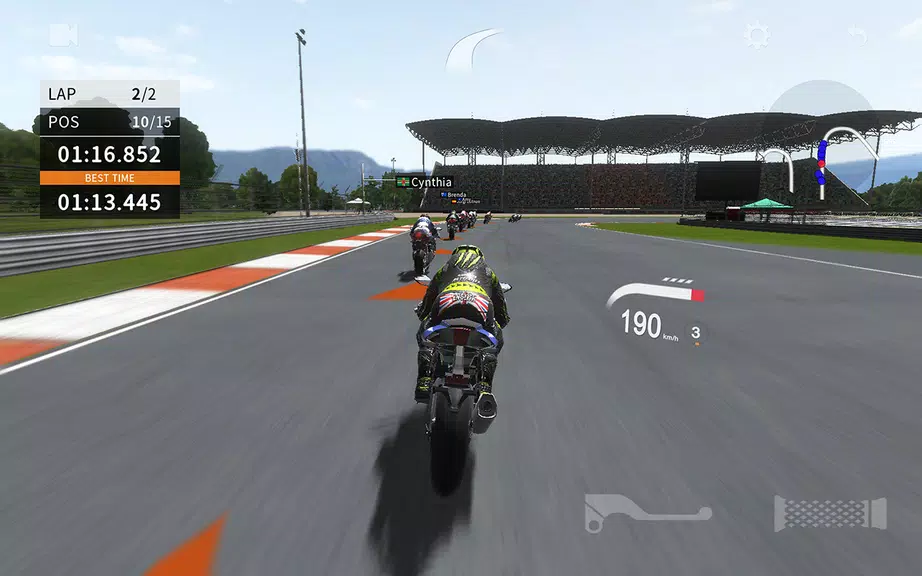
The control scheme supports tilt steering, on-screen buttons, and a simplified automatic mode for casual play. Controls are responsive with minimal input lag; animations and HUD elements stay clear during high-speed sections. Menus are designed for quick navigation, letting players jump into races or switch bikes without delays.
Graphically, Real Moto 2 favors clean models and readable effects rather than pushing for photorealism. Frame rates are generally stable across a wide range of devices, and the game includes basic settings to tweak quality versus performance. Visual feedback—such as motion blur during top speed and sparks when scraping pavement—enhances the sensation of speed.
The title includes single-player challenges, time trials, and asynchronous leaderboard races. Multiplayer allows head-to-head matches and seasonal events where players compete for rankings. Matchmaking focuses on similar skill or bike class to keep online races fair and competitive.
Players cite the satisfying risk-reward of mastering a track, the steady sense of progression, and the variety of events as main draws. Short race formats make it ideal for quick sessions, while ranked events provide longer-term goals. Community-driven leaderboards also add replay value.
New players should begin in lower-tier events to get comfortable with controls, experiment with control schemes, and save currency for a few key upgrades. Regularly attempting time trials accelerates skill development and unlocks better bikes sooner.
Real Moto 2 strikes a balance between pick-up-and-play racing and a layered upgrade system. Whether you’re aiming for top leaderboard times or casual street runs, the title provides a polished, approachable motorcycle racing experience that rewards practice and precision.