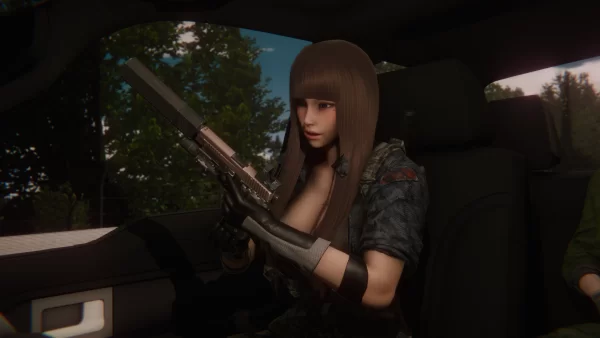


Astreon is a tactical sci-fi action game that blends squad-based strategy with real-time combat, exploration, and base-building elements. Players command customizable units across procedurally generated maps, balancing resources, technology upgrades, and tactical positioning to survive escalating threats in a dynamic universe.
Astreon delivers a hybrid experience for players who enjoy planning and improvisation. Matches shift between tight skirmishes on alien terrain and longer campaigns where decisions about research, supply lines, and defensive layouts shape outcomes. The game layers multiple systems, so success depends on reading the battlefield and adapting unit roles to changing objectives.
The combat loop centers on small squad engagements with distinct unit classes. Infantry, support drones, and heavy walkers each have strengths and weaknesses that influence formation and flanking. Players issue orders in real time but can pause to reassess, making it approachable for both twitch-oriented and thoughtful players. Resource nodes and environmental hazards add depth to each encounter.
Progression in Astreon is driven by a technology tree and gear upgrades. Salvaged components unlock new abilities and passive bonuses, while mission rewards allow you to kit out soldiers with specialized weapons or defensive modules. Class trees encourage varied playstyles: stealth-focused builds, artillery-heavy setups, or mobile strike teams are all viable with the right investment.
Procedural map generation keeps missions feeling fresh. Terrain, weather effects, and random events force you to revise tactics on the fly. Objectives range from quick extraction runs to multi-stage assaults on fortified installations. Optional side missions introduce risk-reward choices, often tempting players to stretch supply lines for greater payoff.
Behind the visible combat, Astreon implements several interconnected systems. Base management requires allocating engineers and researchers to prioritize upgrades. A logistics layer tracks fuel and ammo consumption across missions, rewarding efficient planning. The game also provides a clear HUD that highlights threat levels, unit statuses, and mission timers so you can make informed decisions quickly.
The visual style favors a gritty, high-contrast palette that enhances tactical readability. Unit models are detailed enough to convey role and gear at a glance, while map icons and color coding limit confusion during hectic engagements. On modern devices, performance is smooth; settings allow you to dial back effects if you prefer battery savings or higher frame rates.
Astreon supports both competitive skirmishes and cooperative campaigns. In co-op, teammates coordinate base upgrades and share loot, which emphasizes communication and role specialization. Competitive modes test how well you exploit map features and unit synergies. Leaderboards and seasonal events encourage continuous improvement and offer new rewards.
Many players cite the satisfying feedback loop between clever tactics and visible improvement in their roster. Astreon rewards experimentation: a failed mission teaches you which modules to prioritize, and a tight victory validates a new formation. The variety of mission types and the persistent progression system keep the pacing engaging over dozens of hours.
To begin, create a modular squad and focus on unlocking a couple of mid-tier technologies that complement your playstyle. Early research into logistics and armor pays dividends, and playing a few co-op matches helps you learn unit roles without the pressure of solo campaigns. Expect a gentle difficulty curve that ramps as you expand your reach across the map.
Whether you prefer carefully planned campaigns or tense, improvisational battles, Astreon provides a layered tactical playground that rewards strategy, adaptation, and smart resource management.