

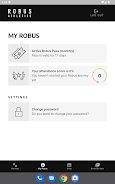
Robus is a performance-focused training app designed to deliver measurable gains across three core pillars: strength, conditioning and mobility. From the first session Robus presents a clear framework that combines targeted workouts, simple progress metrics and an emphasis on balanced development so users can improve power, cardiovascular fitness and joint function within a single program. The app is aimed at people who want structured training without excessive complexity, offering programs that are straightforward to follow while still supporting long-term development.
Robus organizes training into repeatable sessions that mix strength, conditioning and mobility work in a predictable structure. Each workout presents exercise sequences with suggested sets, repetitions and rest windows; timing and load guidance create a measurable baseline you can return to week after week. The app emphasizes progression through incremental increases in volume or intensity and provides simple benchmarks so you can see objective improvements in the quantity of work completed, session duration and movement quality.
Workouts are grouped into multi-week plans that balance the three pillars across training days. A typical plan cycles through focused strength days, higher-intensity conditioning sessions and dedicated mobility work so that power, endurance and joint health advance together. Users move through workouts using clear on-screen prompts and timers; exercises can be marked complete or skipped, and built-in rest timers help enforce consistent pacing. This structured flow makes it easier to build habits and track adherence over time.
The progression system in Robus relies on repeatable metrics rather than opaque algorithms: tracked measures include weights lifted, repetitions, total session time and reported mobility markers. Over time the app highlights trends so you can judge whether your program is driving steady improvements or if adjustments are needed. Periodic reassessments or test sessions are included in the plans to measure changes in strength and conditioning, helping to keep progression intentional and outcome-focused.
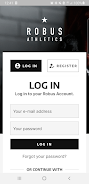
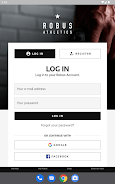
Robus delivers a clean, data-focused interface that emphasizes readability and ease of use. Controls are simple and touch-friendly: start/stop buttons for timers, swipe or tap to progress between exercises, and straightforward edit fields to adjust loads and reps. Visual cues and concise text descriptions explain each movement so users can complete sessions with minimal fuss. Audio cues and optional vibration can be enabled to signal transitions without needing to watch the screen at all times.
While Robus ships with templated programs aligned to the three pillars, it allows basic personalization to fit individual needs. Users can modify set counts, adjust repetition targets, change rest lengths and substitute exercises when equipment or mobility limitations require it. These customization options help make the same training plan useful for people at different experience levels or those preparing for a particular fitness goal without losing the app’s structured approach.
The visual design is intentionally uncluttered, focusing on large text, clear timers and concise performance summaries at the end of each session. Plans are presented in phases so you can anticipate progression across weeks: introductory phases emphasize movement quality and base conditioning, mid phases increase intensity and load, and later phases consolidate gains with mixed sessions that reinforce balance across strength, conditioning and mobility.
Robus maintains replay value through varied program templates, repeating cycles with incremental load increases and benchmark days that offer concrete challenges to improve personal records. The challenge system is built around progressive overload and periodic tests rather than arbitrary difficulty spikes, which encourages continual, measurable progress while reducing the risk of burnout or overreaching.
Accessibility features in Robus include adjustable font sizes, optional audio prompts and clearly labeled controls to support a wide range of users. The app also supports offline access for downloaded plans and workouts, allowing you to complete sessions without an active internet connection and sync results later when online. This approach preserves usability in gyms, parks or travel situations where connectivity may be limited.
Robus is focused on a balanced, long-term approach to performance and does not advertise sport-specific coaching or medical rehabilitation as standalone services; those with specialized needs may want additional consultation. The app favors clarity and steady progression over flashy extras, making it a practical choice for users who value measured improvements and reliable, repeatable workouts within a single, integrated platform.