
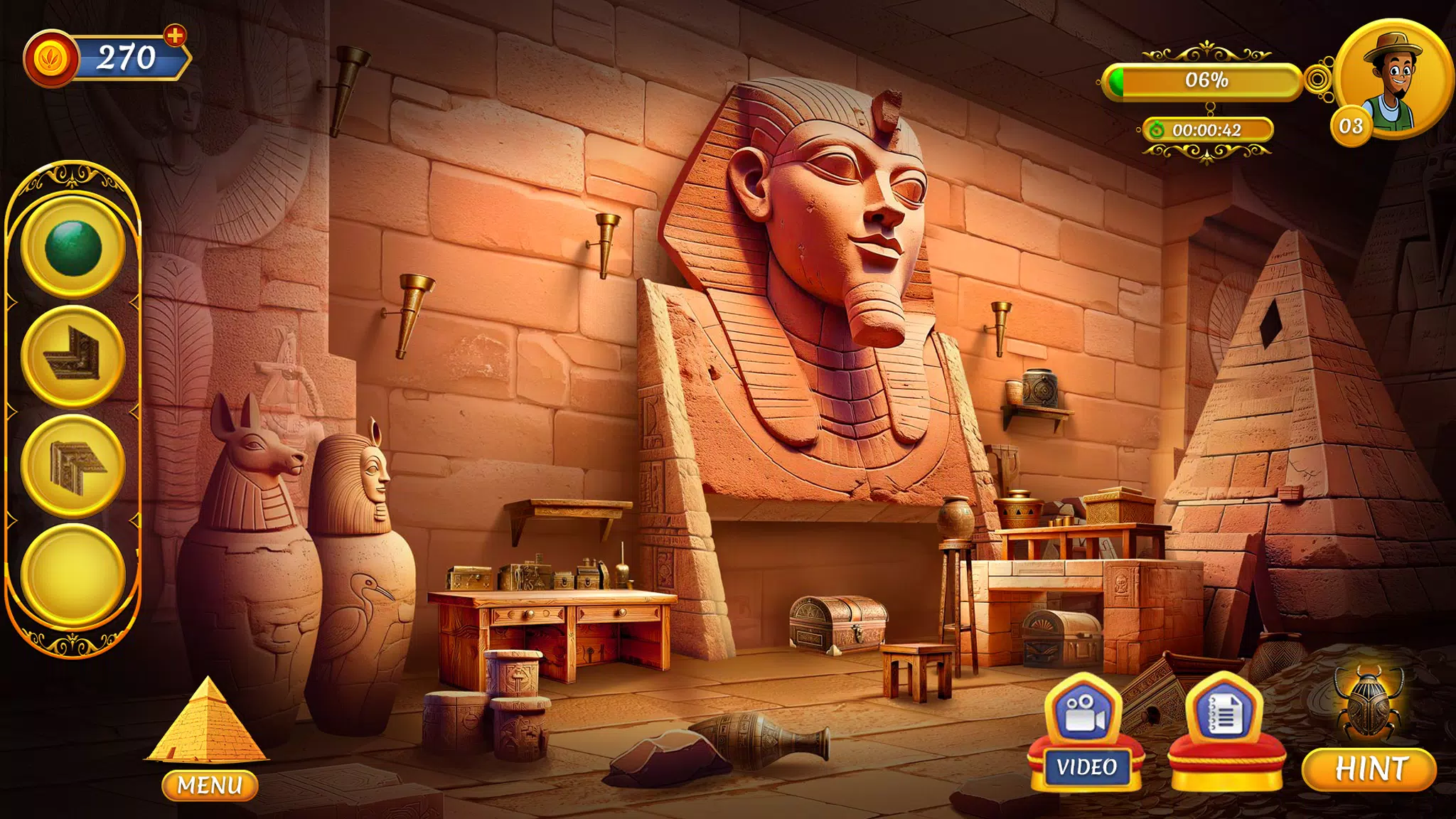
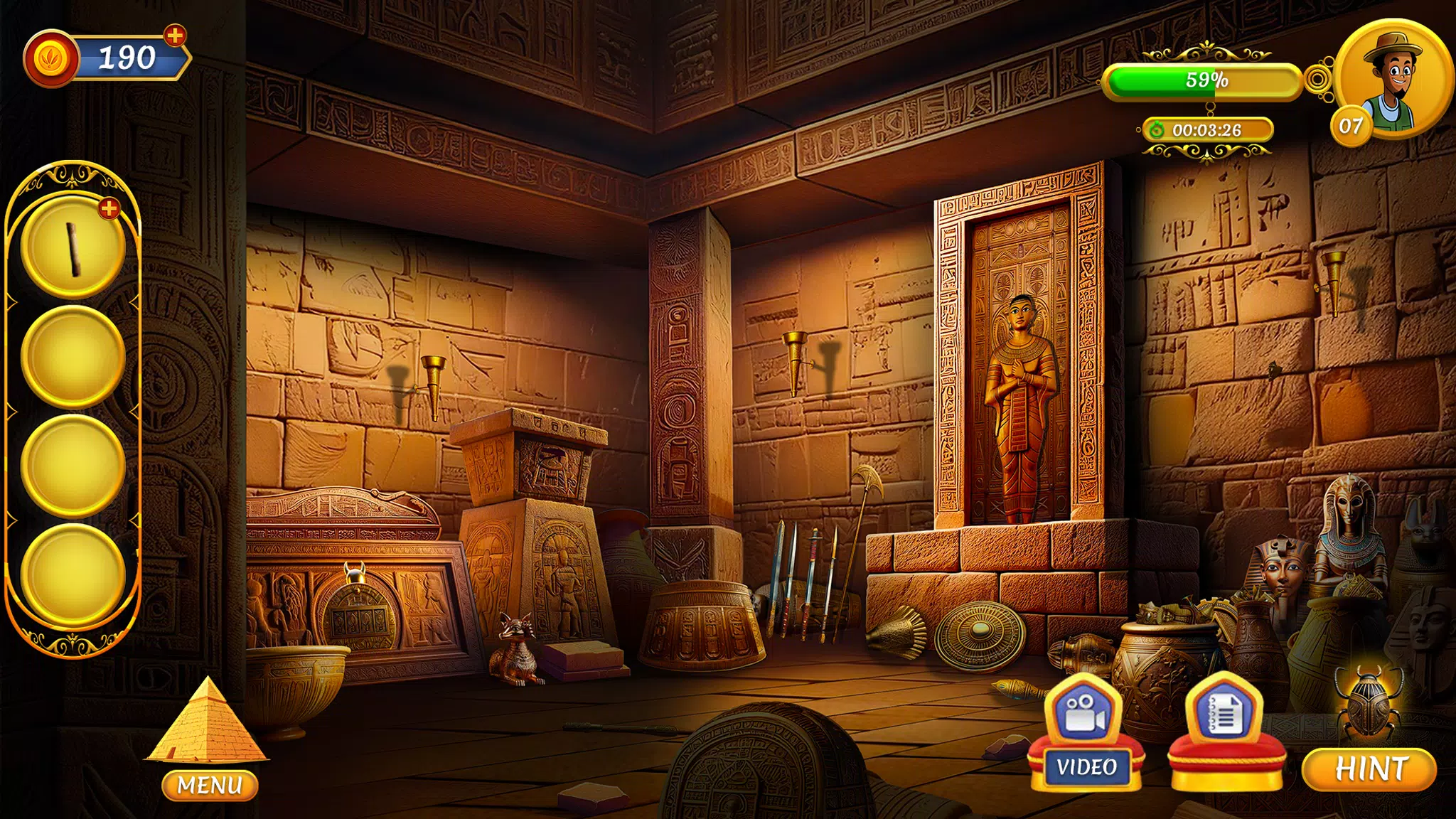
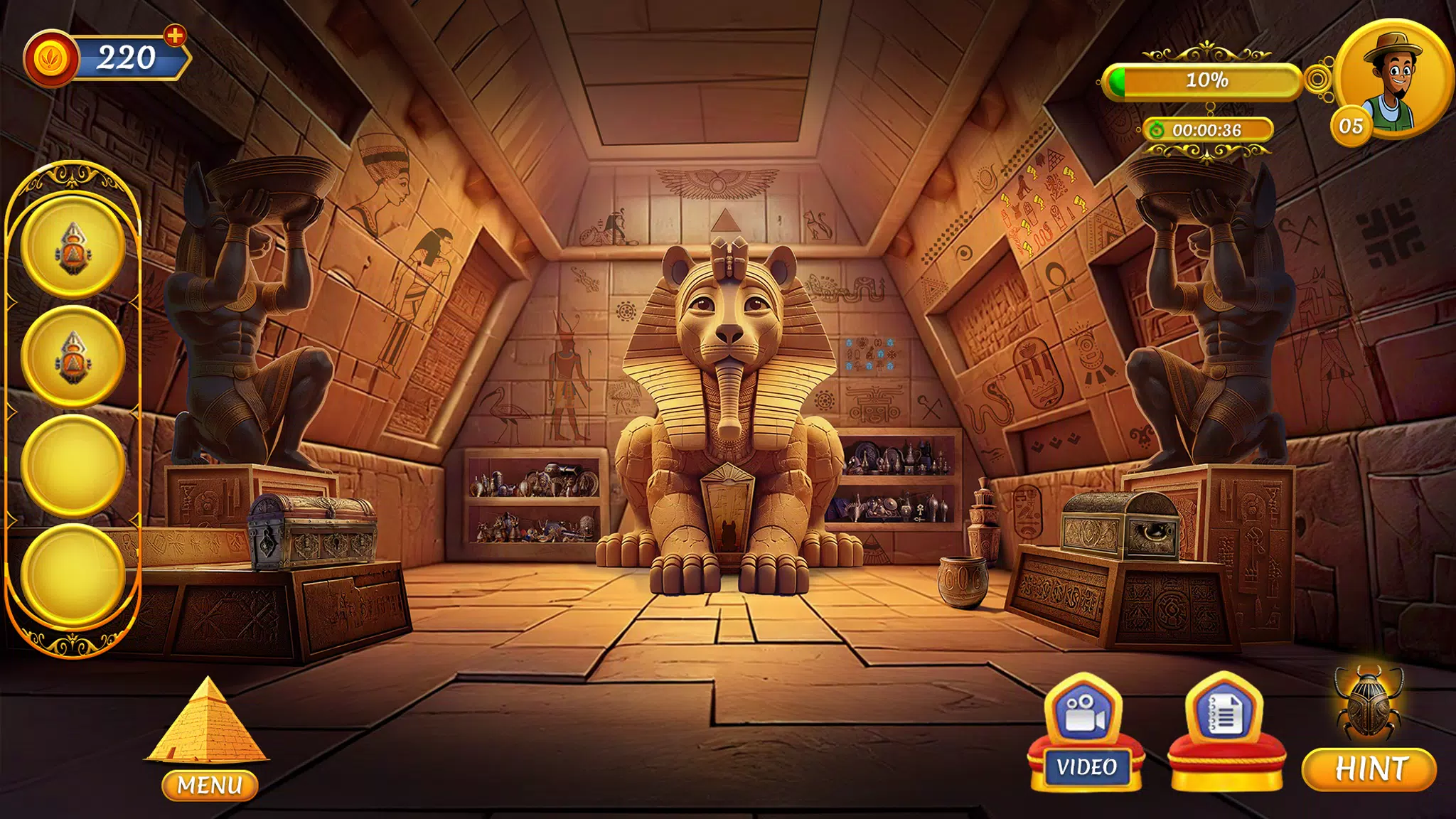
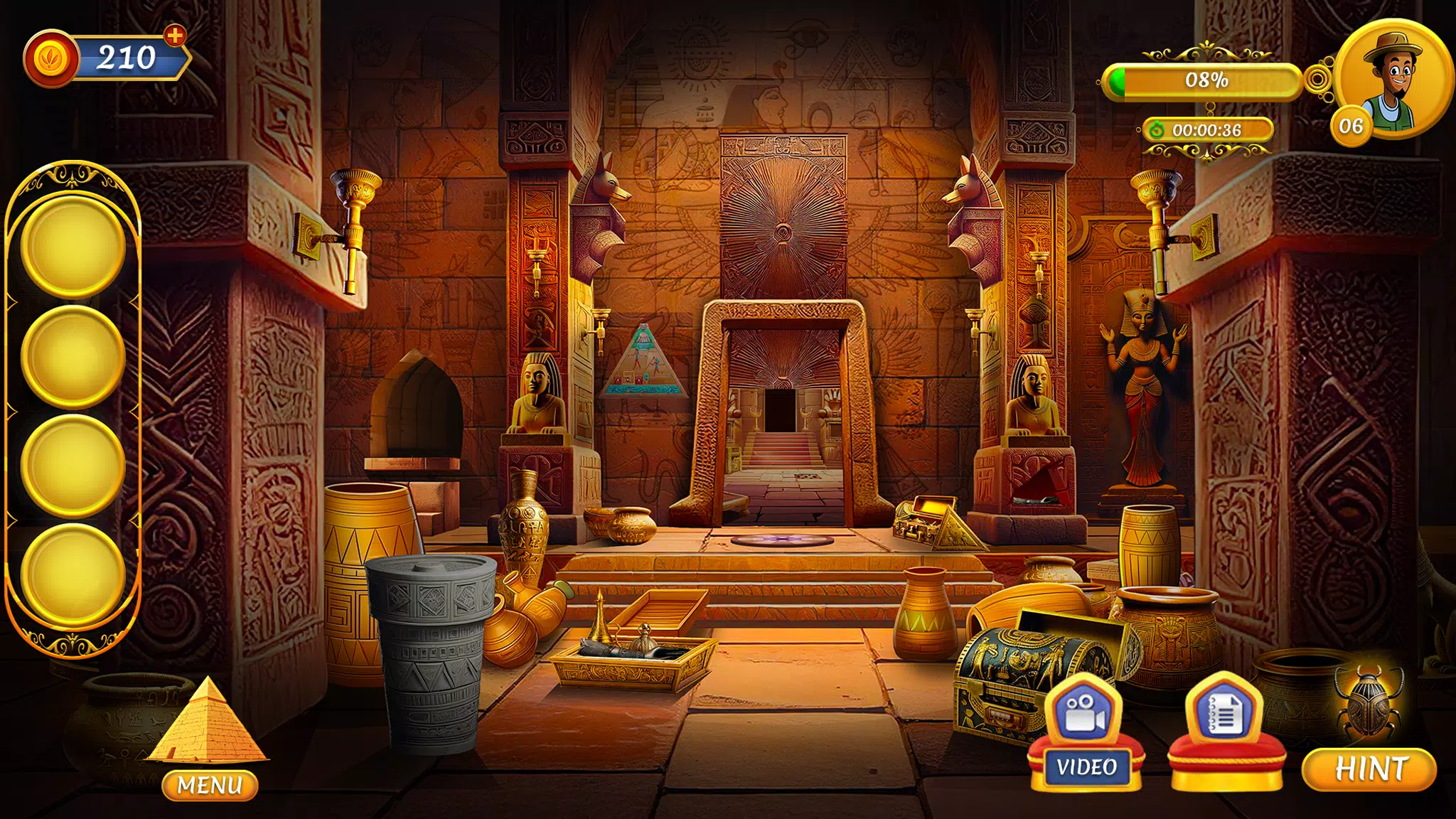
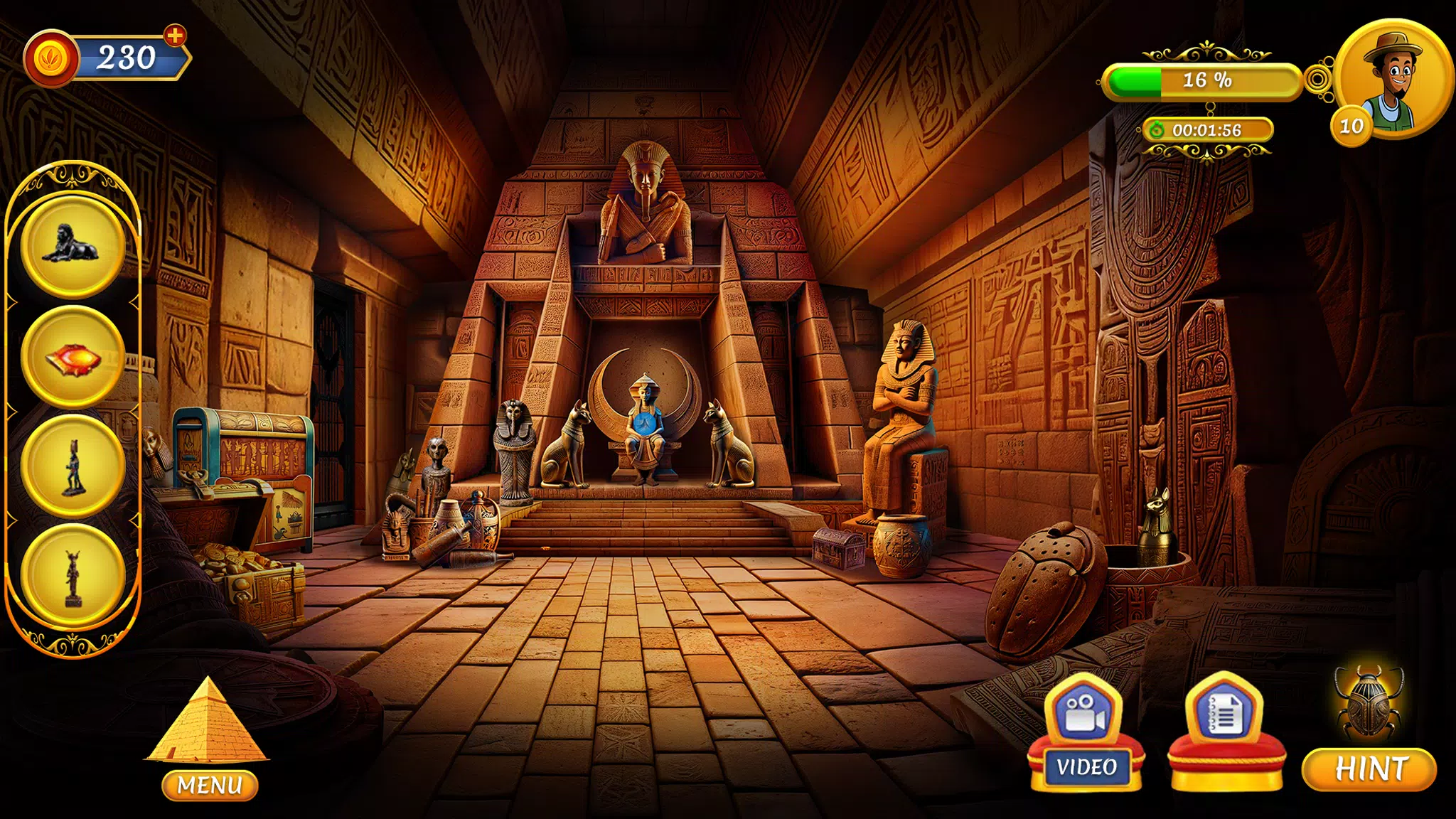
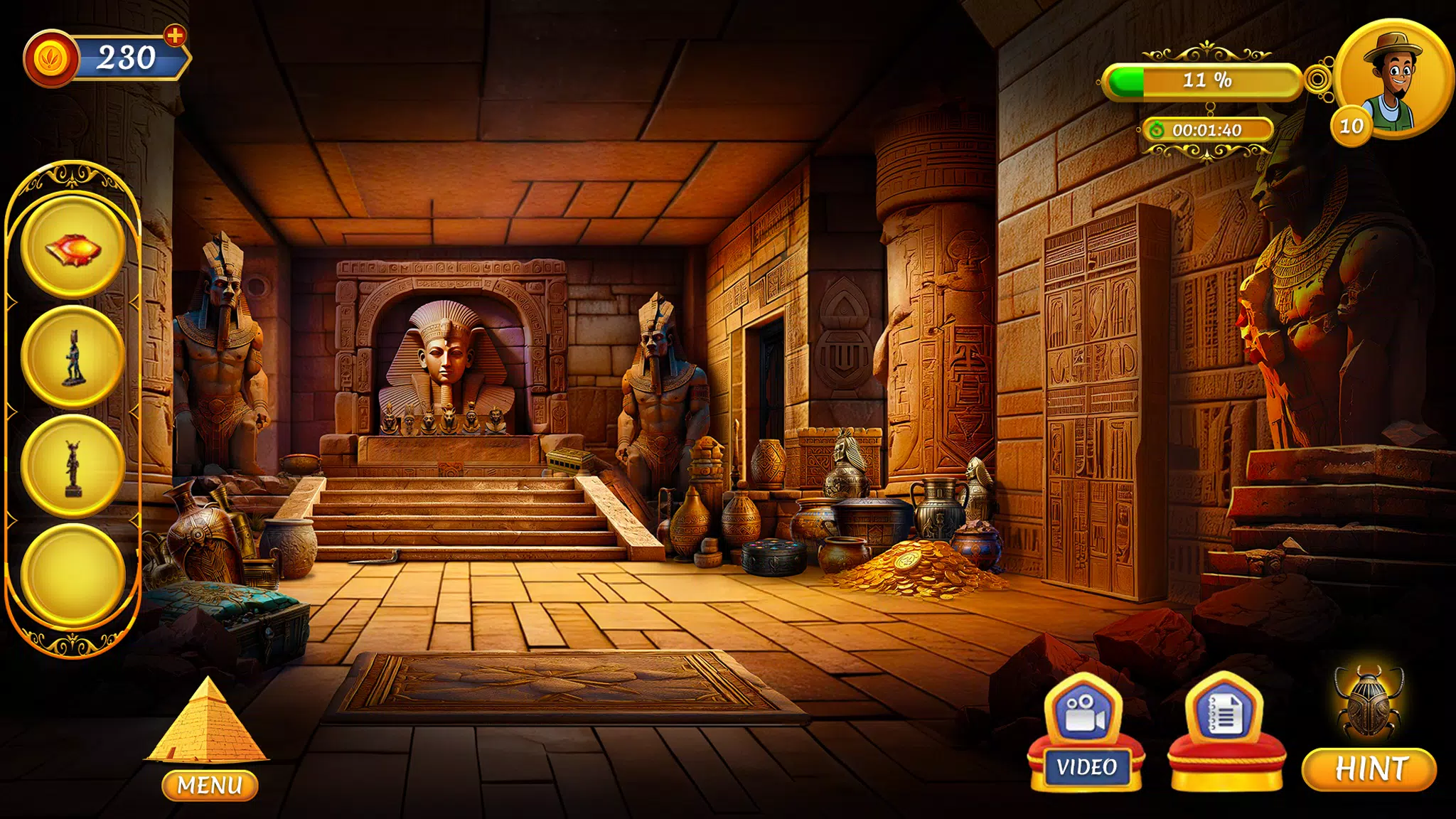
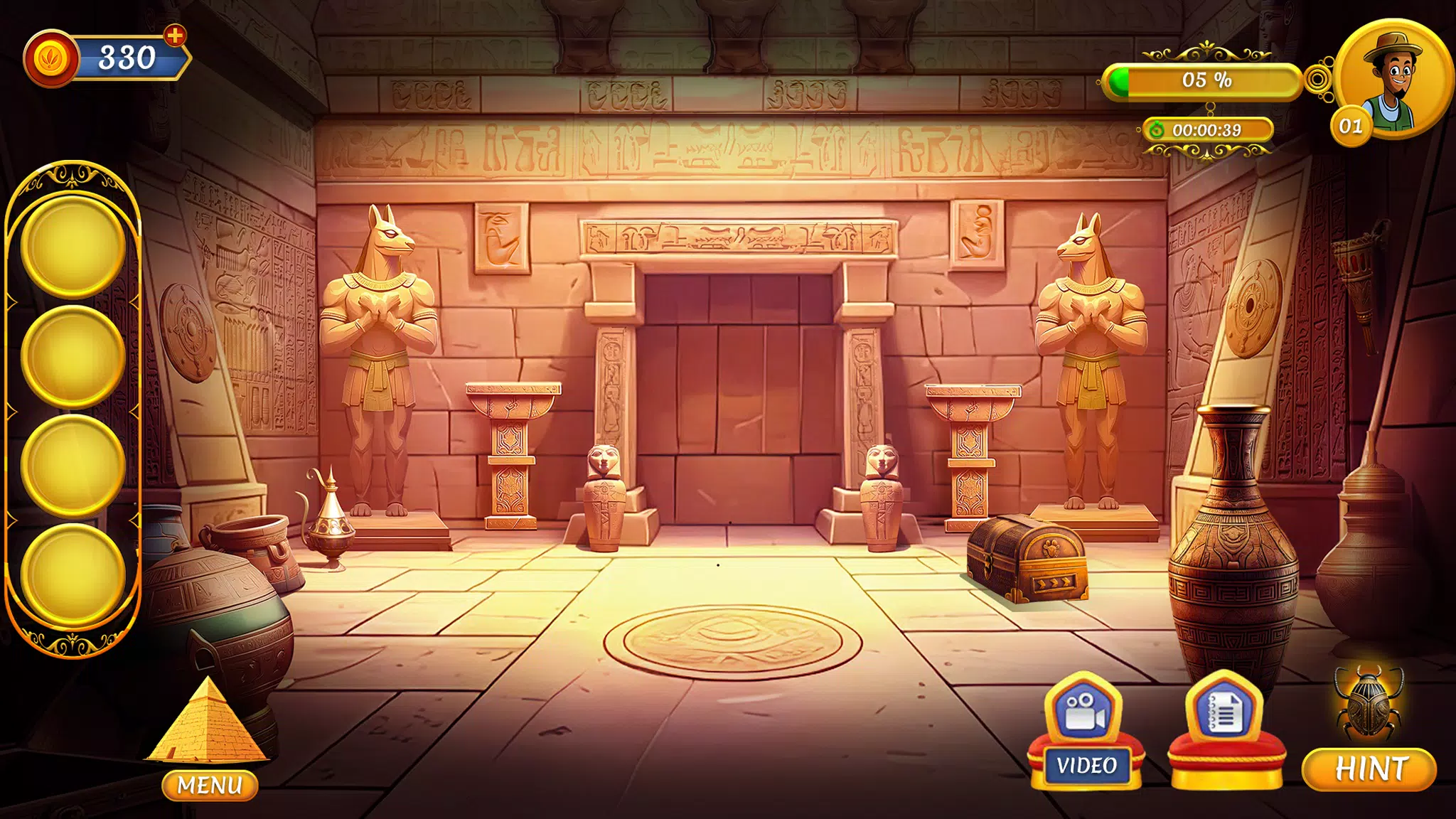
Escape Games: Egypt Paradox invites players into an atmospheric escape-room adventure set amid ancient Egyptian ruins. This puzzle-driven game combines inventory-based challenges, environmental clues, and layered riddles to test observation and logic skills across interconnected chambers and tombs, packed with atmospheric sound design and subtle narrative threads.
The core gameplay of Escape Games: Egypt Paradox centers on exploration and deduction. Players move through hand-crafted rooms, inspect objects from multiple angles and combine items to unlock new paths. Puzzles vary from pattern recognition and mechanical contraptions to number ciphers and hidden switches, encouraging careful note-taking and creative thinking.
Each level introduces new mechanics that build on earlier concepts. Early stages teach players to search thoroughly and manage inventory, while later chambers layer timed elements, multi-step machinery and symbolic puzzles that require cross-referencing clues found in separate rooms. Environmental storytelling is woven into many solutions, so paying attention to textures, murals and ambient audio pays off.
Progression feels measured and satisfying. The game guides players through a sequence of interrelated chambers that gradually open up into deeper sections of a burial complex. Rather than a linear corridor, the layout encourages backtracking to newly accessible areas after solving key puzzles. Checkpoints are placed thoughtfully, and each completed room delivers a tangible sense of accomplishment.
Escape Games: Egypt Paradox uses moody lighting, detailed props and weathered stone textures to evoke a convincing archaeological setting. Animations are subtle but purposeful: sliding stones, rotating glyphs and shifting floors all provide tactile feedback during puzzle resolution. The audio design complements the visuals, with ambient echoes, distant water drips and thematic instruments that heighten immersion without overpowering the gameplay.
Controls are optimized for touch screens with intuitive taps, drags and pinch-to-zoom interactions. The inventory is accessible and unobtrusive, allowing quick combination of items. A context-sensitive magnifier helps examine small details, while an optional hint system offers graded assistance—useful when a player is stuck but still wants to preserve the challenge.
The game balances a fixed narrative with optional depth. While the main path remains the same across playthroughs, many puzzles include layers that reward alternative approaches or faster completion. Difficulty ramps steadily, with optional puzzles that challenge players seeking extra complexity or collectible artifacts hidden in offbeat corners.
Escape Games: Egypt Paradox is designed to run smoothly on a broad range of Android devices. Graphics settings scale to preserve framerate on older hardware, while higher-end devices can enjoy improved textures and lighting. Load times are minimal between rooms, and the game preserves progress automatically to protect against interruptions.
Begin a play session by exploring the introductory chamber to learn basic interactions. Use the hint system sparingly to avoid losing the sense of discovery. As you advance, prioritize gathering every item and documenting enigmatic glyphs—the path forward often hinges on connecting seemingly unrelated clues.
Escape Games: Egypt Paradox offers a carefully paced escape-room experience with polished puzzles, evocative presentation and tactile controls. It suits players who enjoy methodical problem-solving and atmospheric exploration. With layered mechanics, an engaging progression curve and thoughtful design, the game delivers a memorable journey through a convincingly ancient world.