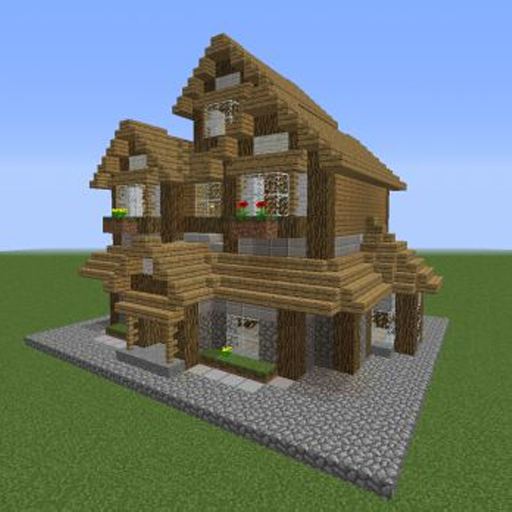
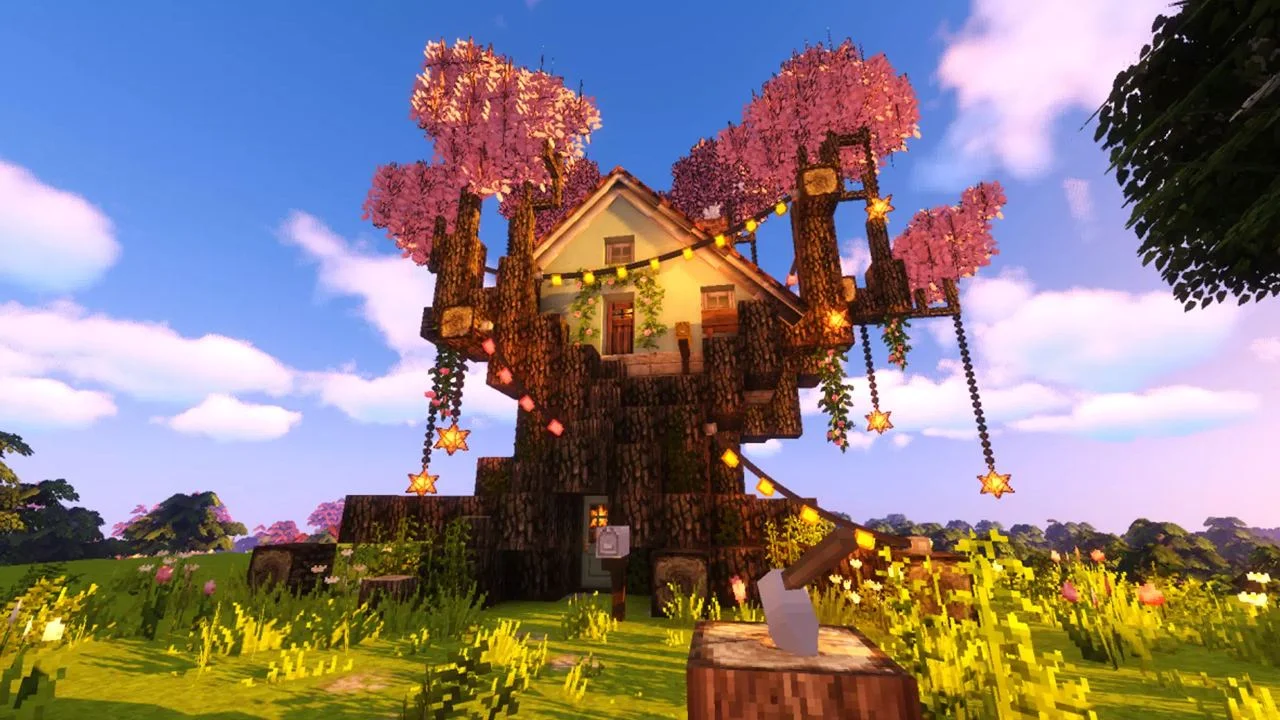
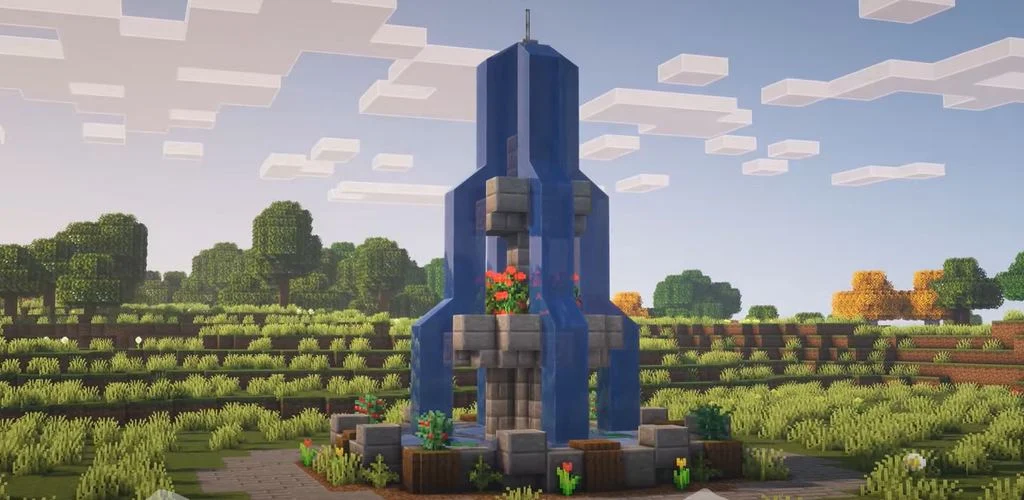
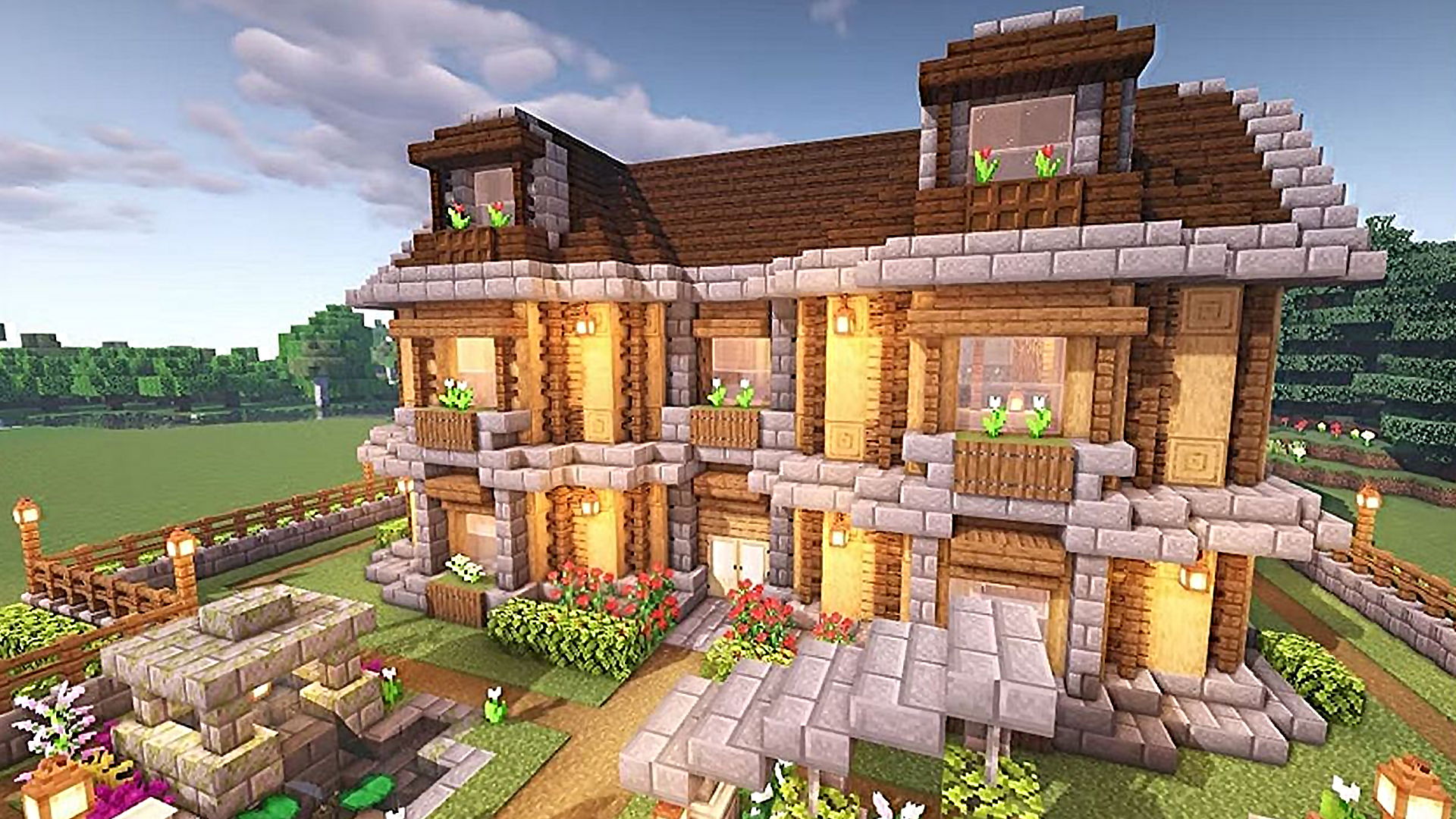
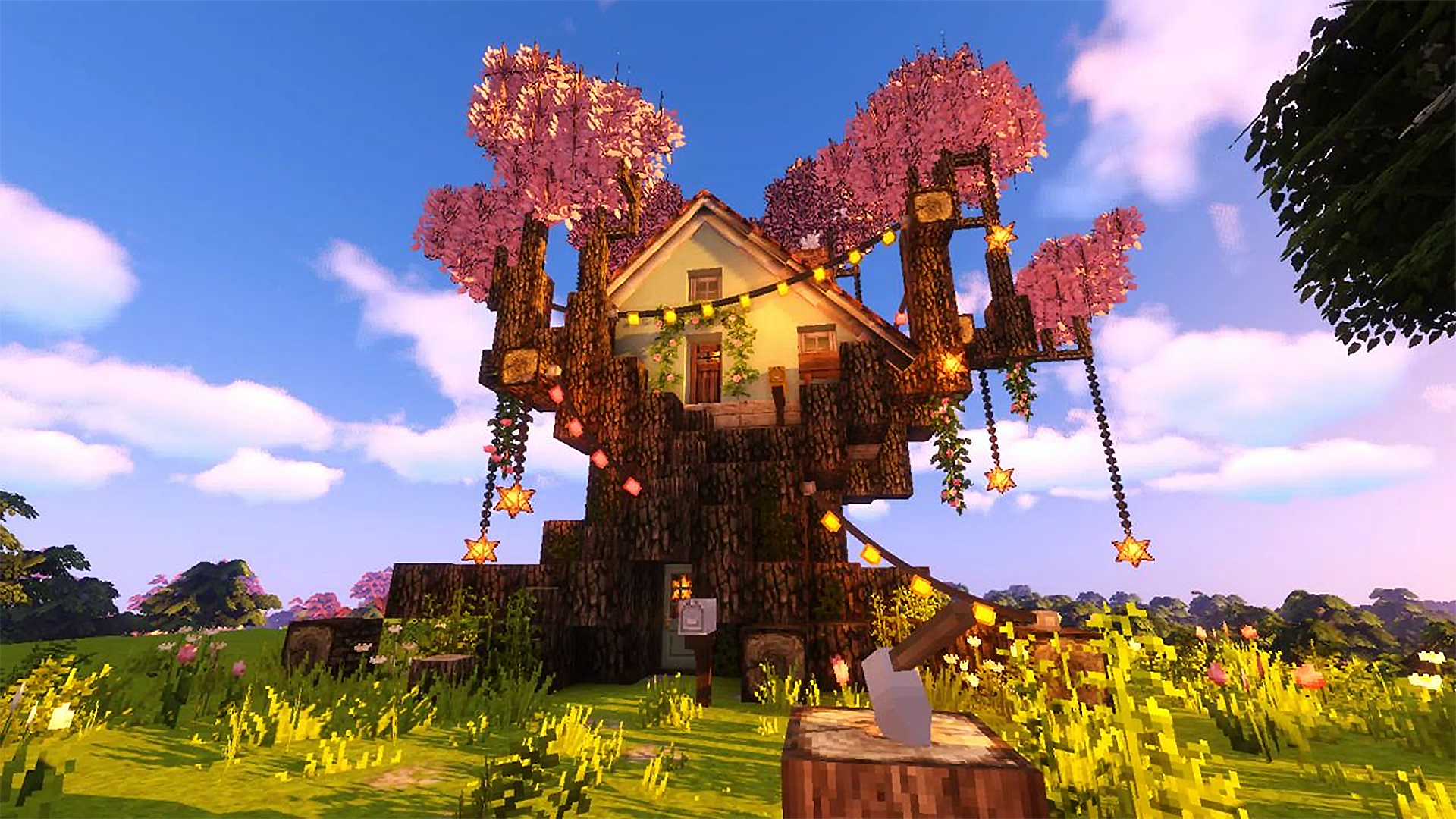
Robo Craft World Builder puts players into a flexible sandbox where imaginative builders design futuristic robo cities and pixel-style landscapes across vast, block-based maps. This editor-style adventure emphasizes open-ended creation alongside light survival elements, so whether you prefer uninterrupted construction or modest resource challenges, Robo Craft World Builder provides tools and terrain to support both approaches. The first moments introduce simple building mechanics and a forgiving learning curve that help new players get creating quickly while still leaving room for ambitious, city-scale projects.
The core experience centers on modular block placement, large freeform maps, and an offline-friendly design that keeps play possible without a network connection. Players can construct modern houses, futuristic bases, and sprawling districts with intuitive placement and rotation. The game supports two main playstyles: a creative mode for unlimited building and a survival mode that adds resource collection and basic crafting needs. Smooth controls and responsive block snapping streamline the construction process, and the map scale encourages exploration and long-term projects rather than short, scripted levels.
Gameplay blends unrestricted building with accessible survival mechanics. In creative mode, players have immediate access to a broad palette of blocks and materials for experimenting with shapes, colors, and architectural ideas. Survival mode introduces light resource gathering, simple tool crafting, and environmental challenges that encourage planning and efficient use of materials. Building focuses on stacking and combining modular pieces rather than complex physics, so large structures remain stable and straightforward to assemble while still feeling satisfying to design.
Robo Craft World Builder was designed for touch devices with clear, touch-friendly controls that keep construction fluid. Placement works with tap-and-drag interactions, while on-screen controls allow rotation and vertical placement; pinch-to-zoom and camera pan gestures make inspecting builds effortless. The interface includes contextual prompts and a brief tutorial to guide new players through basic mechanics, and control sensitivity and camera options can be adjusted to match different play styles and device sizes.
Progression is intentionally understated to preserve the sandbox spirit. Players in survival mode progress by collecting basic resources and unlocking more block varieties through crafting and exploration. Simple milestones like building a shelter, crafting a workbench, or assembling a functional tool serve as natural short-term goals, while longer-term ambitions come from expanding a city, connecting districts, or completing ambitious aesthetic projects. This light progression keeps play focused on creativity rather than grinding.
The visual identity combines block-based construction with pixel-inspired touches, producing a stylized look that works well on a range of hardware. Maps are large and varied, offering open plains, rocky outcrops, and designed zones that encourage different architectural approaches. Rather than linear levels, the game uses open maps that players can treat as blank canvases or gradual development projects, making every play session a chance to reshape the environment and experiment with new styles.
Customization is a major part of the appeal: blocks are modular and can be recolored or combined to achieve different architectural moods, from minimalist modern to neon-futuristic. Crafting systems in survival mode let players create improved tools and a wider selection of construction materials, while creative mode unlocks all available pieces for immediate experimentation. Local project saving makes it easy to return to ongoing builds, and straightforward export or share-friendly screenshots let creators document progress without relying on online features.
Replay comes from shifting goals and self-directed challenges: try building a reproducible city grid, recreate a landmark in block form, or impose resource limits that change the way you plan. Survival mode adds replayability through resource scarcity and environmental considerations, and because maps are large and non-linear, players can revisit and expand projects over many sessions. The balance between pure creativity and modest survival constraints gives different kinds of players reasons to return.
The game supports offline play by design, making it suitable for travel or areas with limited connectivity. Accessibility options include adjustable control sensitivity, simplified placement assists for players who prefer more guidance, and performance settings to accommodate older devices. The interface aims for clarity over clutter so both casual builders and detail-minded creators can work comfortably for long sessions.
Robo Craft World Builder focuses narrowly on sandbox building and light survival, so players seeking a structured campaign or deep narrative may find fewer directed objectives. The block-based, stylized visuals are intentional and may not satisfy users looking for photorealistic graphics. Performance can vary on very old hardware when very large projects are active, but the game provides settings to reduce detail and maintain responsiveness.