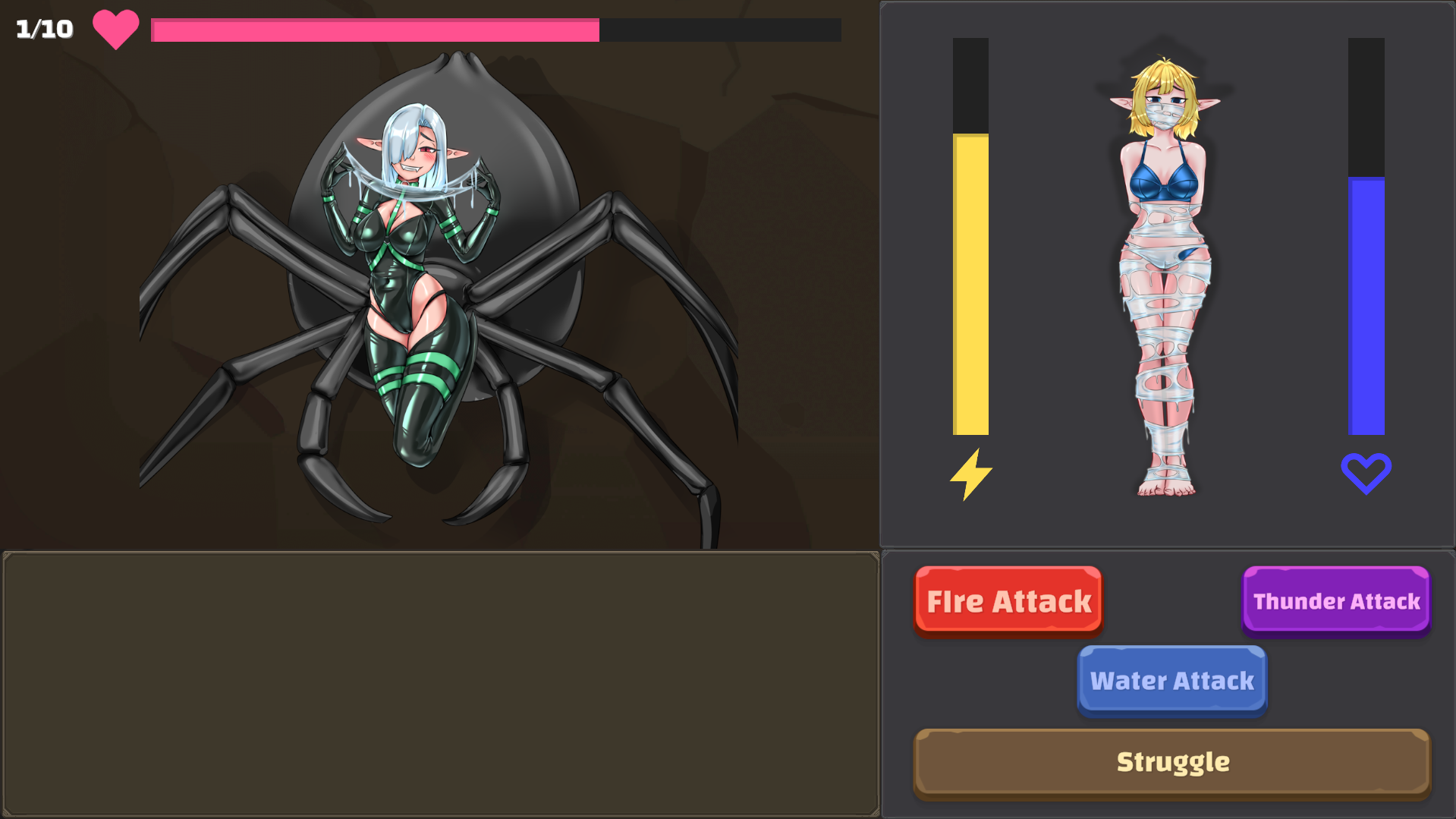





Alternative Shemevolution is a tactical puzzle-action game that blends strategic map control with evolving character loadouts. Players guide a squad through shifting arenas, adapt schematics, and unlock modular upgrades. Fast decision-making and long-term planning shape each run while rich progression systems reward experimentation.
Alternative Shemevolution frames each session as a compact campaign: short missions that feed into larger meta-progression. The game mixes grid-based movement, environmental hazards, and modular gear trees so every choice matters. Difficulty scales across stages, encouraging players to refine tactics and optimize team composition for tougher encounters.
At the heart of Alternative Shemevolution are layered interactions between characters, map features, and schematics. Matches play out on distinct arenas with dynamic elements—moving platforms, toggling barriers, and resource nodes that alter the battlefield. Combat is fast but deliberate: positioning, ability timing, and item synergy determine whether a skirmish ends in victory or retreat.
The roster consists of diverse units, each with an explicit role such as scout, tank, or support. Characters gain experience and unlock passive perks, but the variable schematics system is the primary driver of power. Schematics act like modular blueprints that can be installed, upgraded, and swapped between runs, enabling deeply personalized builds and layered strategies.
Maps in Alternative Shemevolution favor multiple solutions. Objectives range from capture-and-hold points to timed escort missions and puzzle-style puzzles requiring environmental manipulation. Designers intentionally avoid one-way strategies: most encounters reward creative thinking rather than brute force. Replay value stems from map modifiers that change enemy types, resource distribution, and layout elements.
Several interlocking systems give the game depth. Resource management is light but meaningful—collectible cores and schematic fragments are used to craft upgrades. An adaptive AI adjusts enemy behaviors when players rely too heavily on specific tactics, nudging users to diversify approaches. The user interface surfaces necessary info without clutter, showing cooldowns, threat ranges, and schematic stats at a glance.
Customization is a standout feature. Players can mix offensive modules, defensive plates, and utility attachments to create hybrid roles. The loadout editor provides visual previews and statistical estimates so you can test combinations before committing. Cosmetic options are available for units and bases, letting players express personality while keeping gameplay distinct.
Alternative Shemevolution runs smoothly across a range of devices thanks to scalable graphics settings and efficient memory use. The UI uses clear iconography and concise tooltips to shorten the learning curve. Sound design supports tactical play; audio cues help detect off-screen enemies and environmental changes, making spatial awareness a core part of planning.
Single-player missions are complemented by cooperative and competitive modes, where squad composition and communication become more important. In co-op, players coordinate schematics to cover weaknesses. Competitive matches reward adaptive thinking as opponents can counter predictable loadouts, so flexibility is often the best strategy.
Alternative Shemevolution rewards deliberate experimentation over rote grinding. Players who take time to learn map quirks, combine complementary schematics, and adapt to enemy counters will find deeper satisfaction as strategies evolve. Newcomers should expect an approachable entry curve with strategic layers that reveal themselves over dozens of hours.
Installation is straightforward: download, grant the usual permissions, and complete a short tutorial that demonstrates movement, combat, and schematic crafting. The tutorial teaches core loops while letting players jump into missions quickly. Regular updates often add new schematics and arenas, keeping the experience fresh.