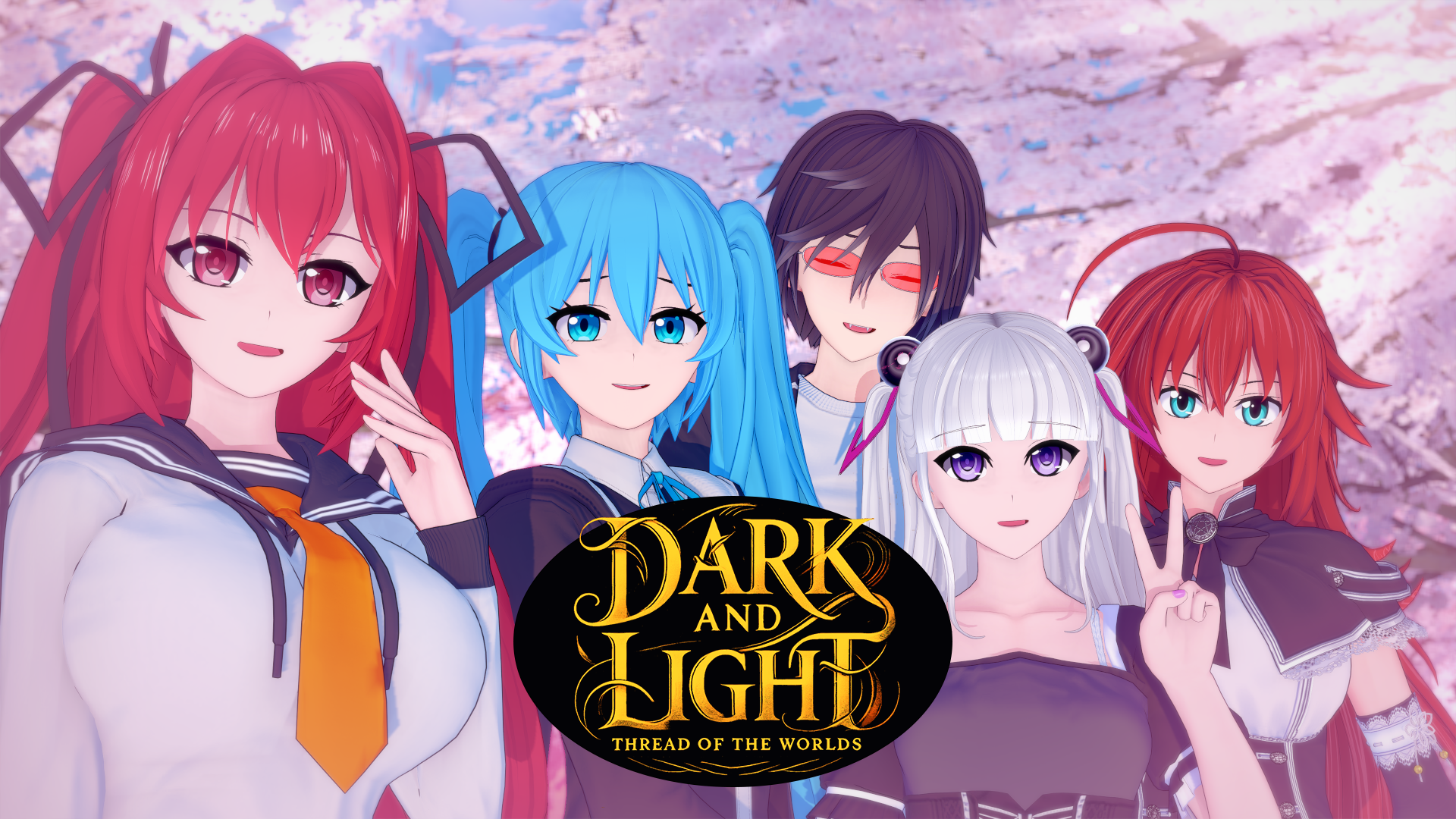




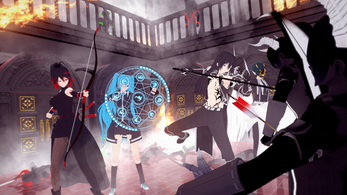
Dark and Light: Thread of the Worlds is an open-world fantasy survival RPG that blends large-scale exploration, base-building, and PvP encounters into a single experience. Players shape their character’s fate through crafting, faction warfare, and environmental mastery while the game emphasizes emergent interactions and strategic resource control.
The world in Dark and Light: Thread of the Worlds feels vast and reactive. From sweeping plains to dangerous dungeons, the map invites exploration and tactical choices. Newcomers will notice a steep learning curve, but also a strong sense of freedom: almost every mechanic contributes to player agency and long-term progression.
Gameplay centers on exploration, resource collection, crafting, and territorial conflict. Players gather raw materials, build shelters and fortifications, and craft specialized gear. Progression is less about linear levels and more about acquiring tools, allies, and territory. Combat alternates between small-scale skirmishes and large faction-led battles that can reshape local control.
The game integrates several interlocking systems. Survival mechanics require food, shelter, and weather-aware strategies. A crafting tree unlocks advanced items and siege equipment. A territory control system rewards organized groups that establish supply lines and defend strongholds. These systems encourage both solo experimentation and coordinated group play.
Character development supports flexible roles rather than rigid classes. Players can specialize in magic, melee, ranged combat, or support professions like crafting and taming. This allows teams to form organically with distinct roles: harvesters, architects, fighters, and strategists. The variety makes each player contribution meaningful to larger goals.
Environments in Dark and Light: Thread of the Worlds are varied and purposeful. Biomes change loot tables and hazard types, influencing how players prepare for exploration. Hidden dungeons and dynamic world events create moments of high tension and reward. Map design supports emergent stories as players encounter one another and the environment throws unexpected challenges.
Visually the game balances scale with detail. Lighting and particle effects enhance spells and environmental phenomena, while terrain deformation supports construction and sieges. Performance depends on device capability; settings allow players to favor visual fidelity or smoother frame rates. Touch controls are streamlined for mobile, with contextual buttons and customizable HUD layouts.
Multiplayer is central. Factions and guild structures provide long-term social goals. Cooperative building, shared resource pools, and coordinated PvP objectives encourage strategic alliances. Matchmaking and server rules vary, offering both casual and hardcore experiences based on player preference.
Customization options include visual appearance, equipment loadouts, and base aesthetics. Progression is largely driven by crafting blueprints, territory rank, and reputation with factions. Players unlock new technologies and building components as they expand influence and complete world challenges.
Dark and Light: Thread of the Worlds rewards planning and adaptability. Early investment in community and infrastructure pays off as conflicts escalate and territory becomes contested. Veteran players value the depth of systems and the opportunities for large-scale strategy.
The installation process is straightforward. Ensure sufficient storage space and keep the game updated for patches that tweak balance and performance. New players should complete introductory quests and tutorials to unlock essential mechanics and quality-of-life features.
Players who enjoy strategic depth, emergent multiplayer interactions, and long-term base development will find a lot to like. If you prefer quick, isolated matches, the pace here is slower and more deliberate. For teams seeking meaningful goals and dynamic world events, Dark and Light: Thread of the Worlds provides a rich sandbox to test tactics and build enduring legacies.
Final note: Expect a living game world that evolves through player action. The experience is best when you collaborate, plan, and adapt to whatever the world throws at you.