


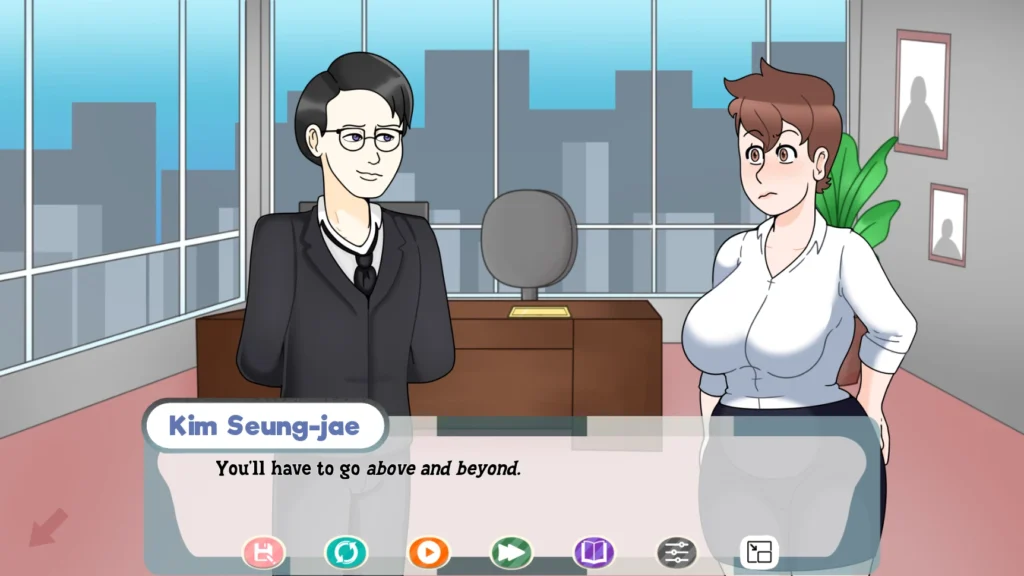
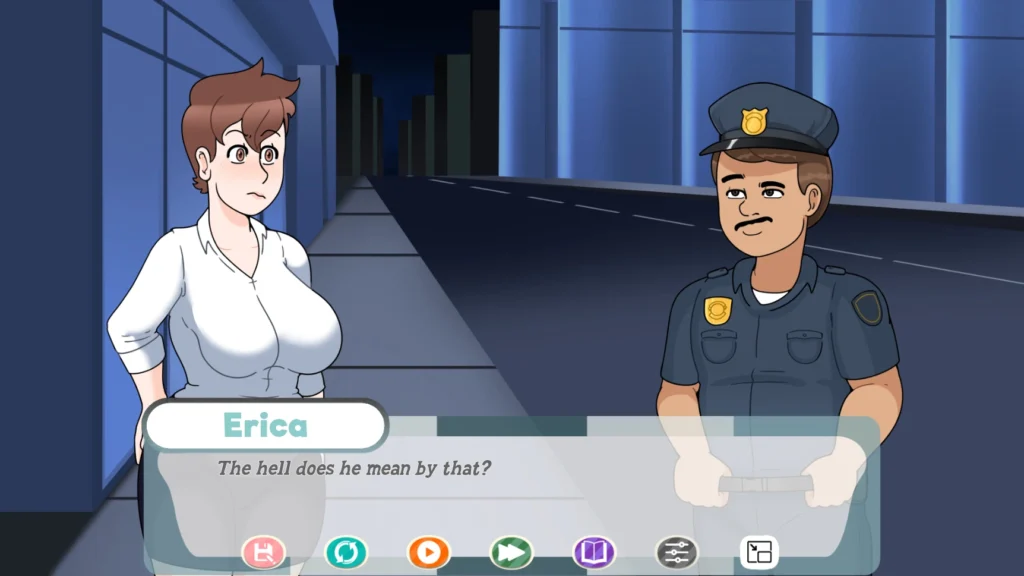
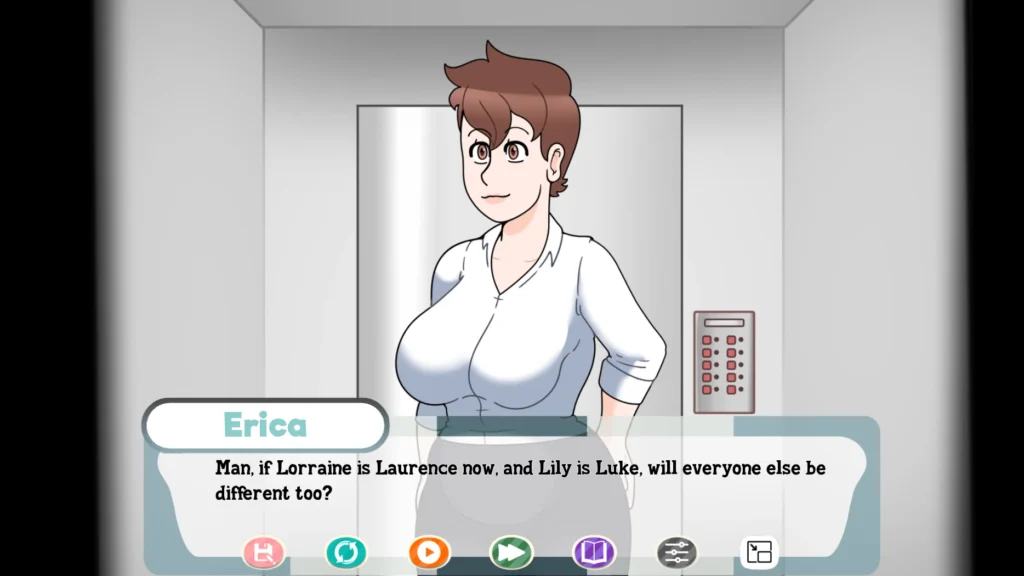
Profession Of Affection is a story-driven romance simulation set in a modern city where career choices and personal connections shape the narrative; the game mixes branching dialogue, time-management sequences, and light mini-games so players can explore different outcomes while progressing both professionally and emotionally within a single-player experience.
The core loop centers on conversations, daily decisions, and episodic chapter progression. Each in-game day offers a set of activities — work tasks, social events, and personal downtime — and how you allocate limited time influences affection meters, reputation at work, and which scenes or story branches become available. Branching narratives lead to multiple endings and character arcs, and side missions provide deeper context for supporting characters without interrupting the main plot flow. Profession Of Affection encourages careful planning across sessions so choices made early can open new scenarios much later in the story.
Controls have been tuned for touch devices with straightforward tap-to-advance dialogue, swipe navigation for scene browsing, and context-sensitive gestures in mini-games. Timed interactions add a light pressure element to key conversations, while decision trees present clear outcomes so players can learn and adapt. Mini-games are short and accessible, designed to reward both reflexes and strategy rather than rely on repetitive inputs. Control sensitivity and input hints are provided to accommodate different play styles and to reduce frustration during more intensive sequences.
Progression combines immediate rewards with longer-term goals: completing daily tasks and mini-games earns experience, in-game currency, and occasional items that influence relationship and career stats. Career reputation gates access to promotions, special events, and unique narrative branches, while affection thresholds unlock personal scenes and side stories. The game uses local save files so most progress is preserved offline and players can return to earlier chapters to pursue alternate decisions; autosave and manual save slots help manage multiple playthroughs without requiring online accounts.
Visuals favor a polished, contemporary style with expressive character portraits layered over detailed backgrounds that shift with the time of day and key story beats. Subtle animations emphasize facial expressions and body language during important moments, creating emotional nuance without heavy resource demands. The soundtrack adapts to scene tone—mellow instrumentals for introspective sequences and livelier tracks for social gatherings—while understated sound cues signal confirmations, alerts, and mini-game feedback to keep the interface intuitive and immersive.
Story content is organized into chapters and side episodes that unlock as you meet objectives, with optional character-specific missions that reveal backstory and motivations. Players can personalize their avatar with wardrobe and appearance options that are reflected in social scenes and certain dialogue outcomes, allowing for subtle role-playing choices that complement the narrative. Choosing different career paths or completing particular projects alters which locations and storylines are available, giving the impression of a living, reactive city environment.
Replay value comes from branching decisions, multiple endings, and hidden scenes tied to specific combinations of choices. The game balances accessibility with evolving challenge by introducing more complex time-management scenarios and higher-stakes conversations later in the playthrough, encouraging players to refine strategies over subsequent runs. Achievements and unlockable content reward experimentation, while optional harder variants of mini-games provide extra challenge for players looking to test their skills.
The interface is designed to be clean and approachable: frequently used options are pinned for quick access, and visual indicators make it easy to track affection and reputation at a glance. Performance targets mid-range devices with moderate load times and conservative background resource usage; settings allow players to lower visual quality to improve performance on older hardware. Accessibility options include adjustable text size, subtitle toggles, and simplified control modes, which help make the experience usable for a wider audience.
Approach each day with a plan: balancing work assignments, social opportunities, and downtime generally produces the best long-term results. Replaying chapters reveals alternative exchanges and hidden outcomes, and saving before pivotal conversations makes experimentation less costly. Profession Of Affection rewards careful attention to characters and context, so exploring optional scenes and using resources selectively tends to unlock the most meaningful narrative payoffs.
Overall, Profession Of Affection offers a measured combination of storytelling and strategy that will appeal to fans of visual novels, relationship sims, and light management games; its chapter-based design, local save support, and layered character work provide reasons to revisit the city and uncover new paths over multiple playthroughs.